Table of Contents
Why Knowing Your Cycle Phases Matters
I used to think of my menstrual cycle as just “that time of the month.” But once I began tracking it properly, everything changed: my workouts, my productivity, even how I approached self-care. Knowing which phase of your cycle you’re in helps you understand why your mood, energy, and focus shift throughout the month.
When you align your habits with your hormones, you stop fighting against your body and start working with it. That’s the foundation of cycle syncing. It connects how you eat, move, and plan your life with your body’s natural rhythm.
How to know what phase of your cycle you’re in whether you’re trying to boost your energy, balance hormones, or just feel more in control, recognising your cycle phase is the first empowering step.
The Four Phases of the Menstrual Cycle Explained
Before diving into tracking methods, it’s important to understand what’s happening in your body during each phase. Each one is like a distinct “season,” and your hormones are the weather patterns.
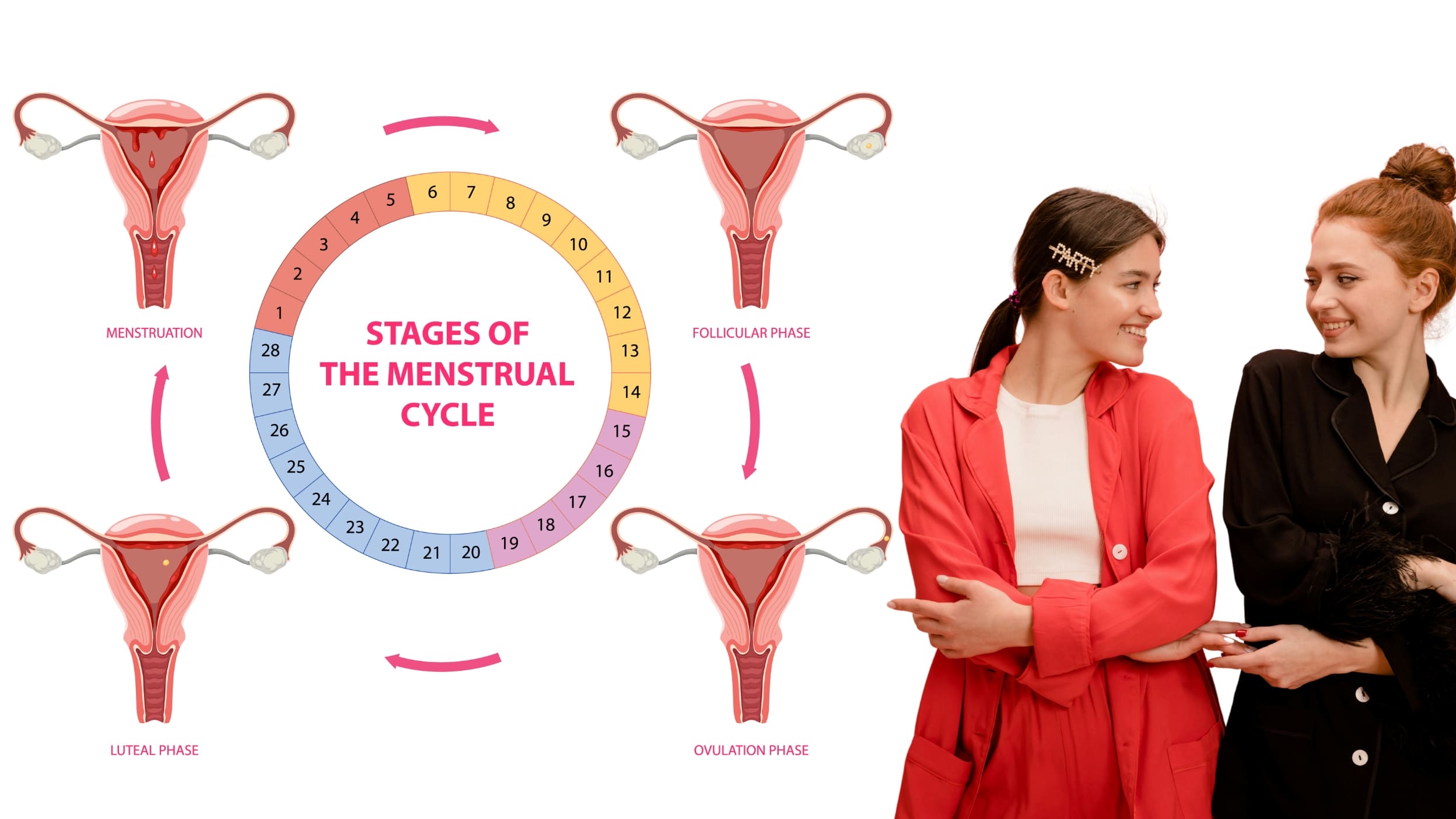
| Phase | What’s Happening | How you might feel |
| Menstrual (Winter) – (1-5days) | Hormone levels drop, your body sheds the uterine lining | Low energy, introspective, craving rest |
| Follicular (Spring) – (6-14days) | Estrogen rises, follicles mature, energy increases. | Motivated, social, optimistic |
| Ovulatory (Summer) – (14-17days) | Ovulation occurs, estrogen peaks, testosterone rises | Confident, magnetic, energised |
| Leal (Autumn) – (18-28days) | Ovulation occurs, estrogen peaks, testosterone rises | More reflective, calm or easily fatigued |
Your hormones estrogen, progesterone, and testosterone play the lead roles here. When they’re balanced, you feel vibrant. When they fluctuate, you can feel tired, anxious, or moody. Understanding these shifts is the key to knowing which phase you’re in.
5 Reliable Methods to Know What Phase You’re In
1. Track Your Period Dates
The simplest place to start is your calendar. Note the first day of your period; that’s Day 1 of your cycle. Most cycles last between 26 – 32 days, but everyone’s unique.
If you consistently track your start and end dates for two or three months, you’ll notice a pattern emerge. Once you know your average length, you can estimate when you’re ovulating and when your luteal phase begins.
How to know what phase of your cycle you’re in. If you’re unsure what’s “normal” or when to be concerned, read this article on cycle length myths.
Tip: If your cycle varies a lot, irregularities can signal stress, diet issues, thyroid imbalance, or perimenopause. These are worth discussing with your doctor.
2. Monitor Physical Symptoms
Your body gives clear clues if you pay attention.
- Cervical mucus: During ovulation, it becomes clear, stretchy, and slippery (like egg whites). In the luteal phase, it turns thicker and cloudier.
- Body temperature: Basal body temperature slightly increases after ovulation due to progesterone.
- Breast tenderness or bloating: Often a luteal-phase giveaway.
- Energy and mood: Notice when you feel most confident (usually ovulation) versus when you crave rest (menstrual phase).
How to know what phase of your cycle you’re in When I began jotting down my daily signs, I could predict ovulation without needing an app. Your body is remarkably consistent once you start listening.
3. Use Basal Body Temperature (BBT) Charting
BBT tracking helps you spot the subtle temperature shift that happens after ovulation, usually a 0.3–0.5°C increase. You’ll need a BBT thermometer and take your temperature first thing every morning before moving.
Plot the readings on a chart or app. The day before your temperature rises indicates ovulation. It’s one of the most reliable natural methods for identifying your fertile window.
4. Hormone Testing (At-Home or Lab)
For a more scientific approach, consider testing your hormone levels. You can do this through your healthcare provider or at-home kits that measure estrogen, progesterone, and luteinizing hormone (LH).
- LH surge indicates ovulation.
- Low progesterone during your luteal phase may cause PMS or fatigue.
- High estrogen might explain mood swings or bloating mid-cycle.
How to know what phase of your cycle you’re in. In my practice, I’ve seen many women use this data to finally connect symptoms with underlying imbalances, giving them a roadmap for better nutrition or supplementation.
5. Cycle Tracking Apps and Journals
Digital tracking tools have made it easier than ever to stay consistent. You simply log your period dates, symptoms, moods, and even sleep patterns. Over time, these apps predict your next phases and fertile windows with impressive accuracy.
Some top options include:
- Clue: Science-based and data-driven.
- Flo: Great for insights and reminders.
- Natural Cycles: FDA-approved, using temperature data.
- Kindara: Offers visual BBT charting and fertility tracking.
If you prefer a more mindful approach, a cycle journal lets you reflect on emotions, cravings, and productivity. It’s not just data; it’s self-awareness.
Cycle Tracking Tools and Apps I Recommend
Beyond the basics, these tools can help you understand your body’s rhythm more deeply:
- Oura Ring : Tracks sleep, recovery, and subtle changes in body temperature. It’s especially useful for spotting energy dips during the luteal phase.
- Fitbit : A great alternative if you prefer a broader overview of activity, rest, and heart-rate variability through your cycle.
- Daysy Fertility Tracker : Combines basal body temperature tracking with AI insights to help identify fertile and non-fertile days.
- Google Sheets or Notion templates : Perfect for building a personalised cycle tracker aligned with your fitness, nutrition, or productivity goals.
Personally, I combine Flo for reminders and Notion for journaling. It’s my favourite blend of structure and reflection. Science meets self-care.
Beyond the basics, here are a few tools that can take your tracking deeper:
- Oura Ring or Fitbit: Track sleep and recovery; useful for understanding energy dips in the luteal phase.
- Daysy Fertility Tracker: Combines temperature tracking and AI insights.
- Google Sheets or Notion templates: Perfect for building a personalised cycle tracker aligned with fitness or nutrition goals.
Personally, I combine Flo for reminders and Notion for journaling. It’s a mix of structure and reflection; science meets self-care.
How to Sync Your Habits With Each Phase
Once you know your phase, you can adjust your daily habits to match your hormones. This is where the magic happens, the same principle that underpins cycle syncing.
| Phase | Best Workouts | Ideal Foods |
| Menstrual | Gentle yoga, walking | Iron-rich foods, warm soups |
| Follicular | Cardio, strength training | Fresh greens, lean proteins |
| Ovulatory | HIIT, dance, social workouts | Lighter meals, hydration |
| Luteal | Pilates, barre, low-impact | Complex carbs, magnesium |
Mindset Focus
- Rest, reflection
- Creativity, planning
- Collaboration, confidence
- Focus, completion
When I started tailoring my workouts to my cycle, my fatigue disappeared and my performance improved. It’s not about restriction; it’s about rhythm.
Faqs about How to know what phase of your cycle you’re in 5 methods
1. How long is each phase of the menstrual cycle?
Typically, your cycle lasts 26–32 days : menstruation (3–7 days), follicular (7–10 days), ovulation (2–3 days), and luteal (10–14 days). For a breakdown of what happens in each.
2. Can stress or travel change my cycle?
Yes. Stress, poor sleep, and even travel can delay ovulation or shorten phases. That’s why consistent tracking is more reliable than guessing.
3. What if my cycle is irregular?
Irregular cycles can result from hormonal imbalances, thyroid issues, PCOS, or lifestyle stress. If you notice major fluctuations for over three months, consult a healthcare professional.
Final thoughts
The moment I learned to read my body’s signals, I stopped seeing my period as an inconvenience and started seeing it as feedback. Each phase tells you something vital about your wellbeing. Your hormones aren’t working against you; they’re speaking to you.
Whether you’re using an app, journaling, or simply tuning in, the key is awareness. Over time, you’ll anticipate your energy highs, understand your emotional lows, and nurture your body exactly as it needs.
Cycle syncing isn’t a trend; it’s a return to self-connection. And the more you honour that rhythm, the more your body will reward you with balance, clarity, and confidence.