Table of Contents
If you have ever felt like your motivation or focus changes unpredictably throughout the month, it’s not your imagination. It’s your hormones guiding you through distinct stages that influence your physical energy, emotions, and mindset. When I started tracking my cycle intentionally, I realized that these fluctuations were incredibly consistent once I paid attention.
The menstrual cycle typically spans about 28 days, though anywhere between 25 and 35 can still be normal. Within that cycle are four main phases, each with its own hormonal landscape and natural rhythm.
Menstrual Phase (Days 1–5): This is when bleeding begins. Both estrogen and progesterone levels drop, and the body is shedding the uterine lining. Energy tends to dip here. You may crave comfort, warmth, and rest. I treat this as my personal reset week, where reflection replaces productivity.
Follicular Phase (Days 6–13): As bleeding ends, estrogen begins to rise. You’ll often notice a gradual lift in mood, motivation, and creativity. This is a great time to start new projects or try challenging workouts. I call it my idea phase because my brain feels alive and open.
Ovulatory Phase (Days 14–17): Ovulation brings a surge of estrogen and a small burst of testosterone. You’ll often feel at your social and physical peak. Confidence, libido, and verbal fluency naturally increase. This is when I schedule presentations, meetings, or social events.
Luteal Phase (Days 18–28): After ovulation, progesterone rises to prepare the body for a possible pregnancy. This hormone promotes calm but can also cause fatigue or irritability as it fluctuates. This is the time for organization, slower workouts, and gentle self-care.
Most women I’ve worked with are surprised when they finally see how closely these phases align with their experiences. Once you map your cycle visually, you’ll notice that your energy, motivation, and even appetite follow clear hormonal cues.
The Science Behind Cycle Syncing
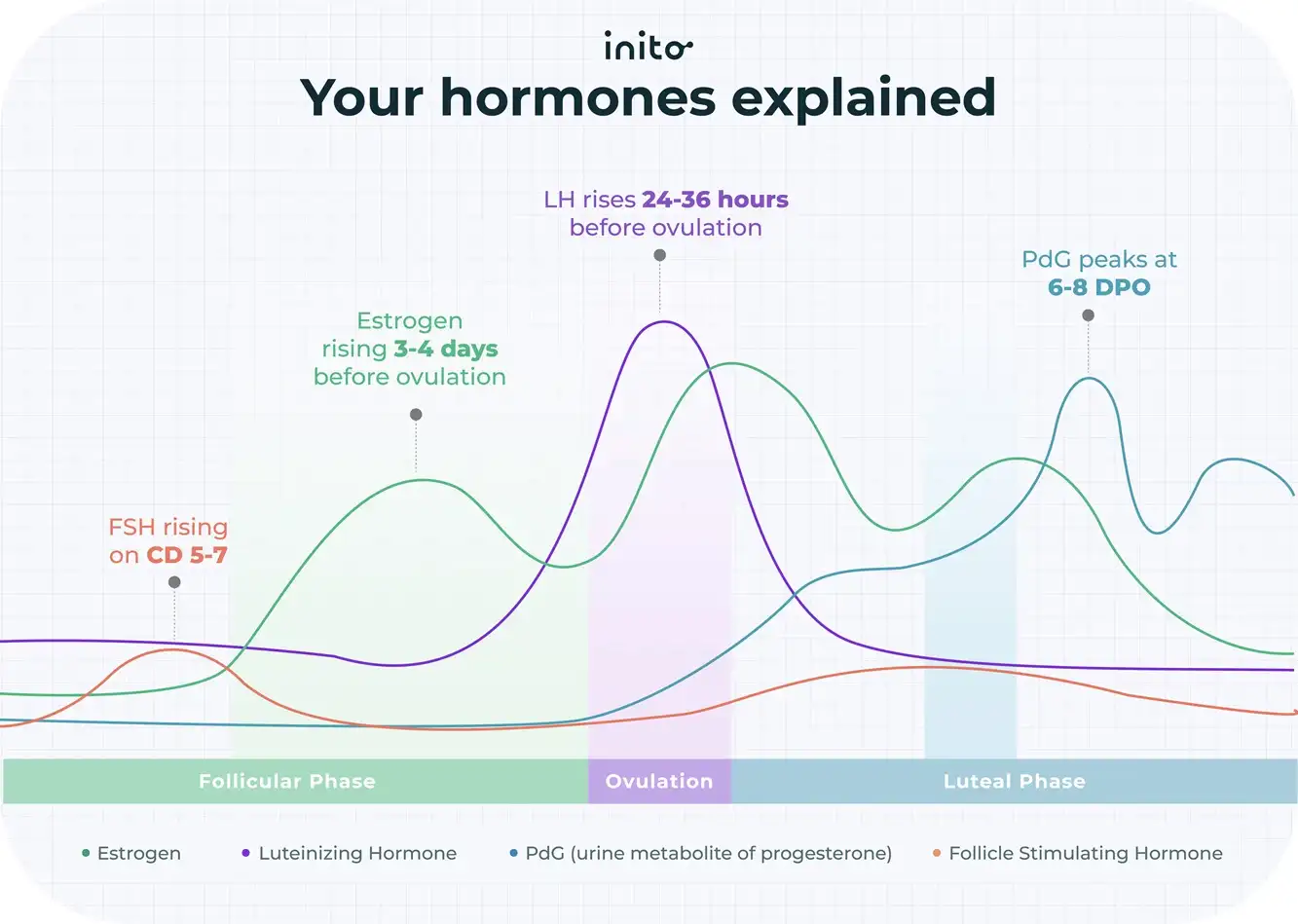
Cycle syncing is not a passing wellness trend. It’s rooted in biology and endocrinology. Every phase of your menstrual cycle corresponds to changes in estrogen, progesterone, luteinizing hormone (LH), and follicle-stimulating hormone (FSH). These chemical messengers influence everything from metabolism and sleep to emotional resilience and cognitive performance.
In my professional coaching practice, I’ve seen how understanding these hormonal shifts transforms women’s lives. Many of my clients used to push through exhaustion during their luteal or menstrual phases, believing they lacked discipline. Once they began aligning their lifestyle to their hormones, their energy became more consistent and sustainable.
During the follicular and ovulatory phases, when estrogen dominates, women tend to build muscle more easily, recover faster, and experience sharper focus. In the luteal phase, when progesterone rises, metabolism slightly increases, meaning your body burns more calories at rest but also requires more nutrients. Knowing this can help you plan your nutrition and workouts more intelligently.
Cycle syncing is not about rigid scheduling. It’s about respecting your biology. When your calendar, workouts, and diet reflect your hormonal patterns, your body rewards you with better balance and less burnout.
How Hormones Shift Across the Month
Understanding what’s happening biologically helps you interpret your body’s signals instead of fighting them. Here’s a simplified breakdown of hormonal changes throughout the month:
| Phase | Dominant Hormones | How You Might Feel | Best Activities |
| Menstrual | Low Estrogen and Progesterone | Reflective, tired, inward | Rest, gentle stretching, journaling |
| Follicular | Rising Estrogen | Motivated, energized, curious | Start new projects, strength training |
| Ovulatory | Peak Estrogen and Testosterone | Confident, vibrant, outgoing | Networking, creative work, HIIT workouts |
| Luteal | High Progesterone | Calm, introspective, steady | Planning, organizing, mindful exercise |
These shifts affect much more than mood. They influence your brain chemistry, muscle tissue, and digestion. Estrogen enhances serotonin production, which boosts mood and focus. Progesterone has a calming effect, supporting better sleep but sometimes triggering bloating or food cravings.
Once I began matching my expectations to these hormonal rhythms, I stopped labeling myself as inconsistent. My body wasn’t unpredictable. It was following its natural flow.
How to Read a Cycle Syncing Chart
A cycle syncing chart is one of the most powerful tools for self-awareness. It’s a visual snapshot of how your hormones, emotions, and energy change throughout your cycle.
Start by marking Day 1 as the first day of your period. Then track the following for at least three months:
- Energy levels (1–10 scale)
- Mood (calm, anxious, creative, tired)
- Cravings (sweet, salty, protein-heavy)
- Sleep quality
- Productivity or focus
- Physical activity
You can use an app, a planner, or a color-coded journal. I personally prefer a circular chart because it visually represents how cyclical everything is. A normal chart will show a gradual estrogen rise, a mid-cycle peak at ovulation, and a progesterone-dominated luteal phase.
Once you have this chart, you’ll start noticing predictable patterns. You may realize your best creative work happens mid-cycle or that you need more rest during the days before your period. These insights let you plan your month realistically instead of expecting the same energy every day.
If your cycle is irregular, this tracking becomes even more valuable. Irregularities can signal stress, thyroid changes, or hormonal imbalances. I always tell clients that awareness is the first step toward balance.
Using Your Cycle to Plan Fitness, Work, and Self-Care
When I first began applying cycle syncing in my own life, I didn’t expect such a dramatic shift. Within two months, I noticed clearer focus, better sleep, and fewer energy crashes. It wasn’t magic. It was alignment.
Here’s how I structure my month:
Menstrual Phase: I focus on rest, reflection, and slow movement. Long walks, stretching, or restorative yoga help my body recover. I plan quieter workdays with low-pressure tasks like reviewing goals or journaling.
Follicular Phase: My motivation naturally returns here. I take advantage of high estrogen by lifting heavier weights, brainstorming new ideas, and planning creative projects. My meals include lean proteins, complex carbs, and leafy greens to support rising energy.
Ovulatory Phase: This is my power window. I schedule speaking engagements, client calls, and collaboration-heavy work. I also push harder in my workouts since recovery is optimal. Hydration and protein are key here.
Luteal Phase: I shift my focus inward again. I prioritize deep work, cleaning, and finishing projects. My workouts become gentler with more emphasis on mobility and Pilates-style movements. I also increase magnesium-rich foods like dark chocolate, spinach, and pumpkin seeds to counter PMS symptoms.
Cycle syncing is not about perfection. It’s about tuning in. If you feel great during your luteal phase, there’s no rule that says you can’t go for a run. The point is to respect your body’s feedback.
Over time, this approach helps women regain control over their wellbeing. You stop seeing your period as an inconvenience and start viewing it as vital information about your health.
Common Mistakes When Tracking Your Cycle
In the beginning, I made a few mistakes that I see many women repeat. Understanding these can save you frustration and help you build a more accurate picture of your cycle.
- Expecting exact regularity. A healthy cycle can vary by a few days each month. Stress, sleep changes, or travel can cause temporary shifts. That doesn’t mean your hormones are broken.
- Overanalyzing every symptom. Not every mood change or craving signals an imbalance. Look for patterns that repeat over several cycles, not isolated incidents.
- Neglecting nutrition. Hormones are built from fats and proteins. If your diet is too restrictive, your body can’t produce them efficiently. Include avocados, salmon, eggs, and seeds regularly.
- Skipping rest during menstruation. Your body is literally rebuilding during this phase. Rest supports faster recovery and fewer cramps later.
- Comparing your chart to others. Every woman’s hormonal rhythm is unique. Use general guidance as a framework, but your data is the most reliable.
Tracking is not about judgment. It’s a form of self awareness. Each observation teaches you something valuable about your body.
Practical Tips for Accurate Tracking and Awareness
To make cycle syncing truly effective, consistency matters.
Here are a few tips I’ve found helpful for clients and myself:
- Use color coding. Assign a color to each phase on your calendar so you can see your hormonal rhythm at a glance.
- Track at the same time daily. Whether in the morning or before bed, record energy and mood consistently for accurate data.
- Pair tracking with mindfulness. Notice not just what happens, but how you respond to it. This awareness deepens your connection to your body.
- Reassess every three months. Hormonal patterns can shift due to stress, diet, or exercise changes. Review your charts quarterly.
- Support your cycle nutritionally. Incorporate phase-specific foods such as iron-rich meals during menstruation, fermented foods during the luteal phase, and hydration during ovulation.
Cycle syncing becomes second nature once you build this rhythm. Eventually, you’ll start anticipating how your body will feel and plan your life with intuitive precision.
FAQs
1. What are the different phases of my menstrual cycle?
There are four main phases: menstrual, follicular, ovulatory, and luteal. Each phase represents a unique hormonal environment that influences how you feel, think, and perform.
2. How do I read a menstrual cycle chart?
Start by marking Day 1 as the first day of your period. Track your symptoms, energy, and mood daily. Over time, you’ll identify repeating patterns that show when your hormones rise and fall.
3. How can understanding my cycle help me plan better?
By syncing your schedule with your hormones, you align tasks with your natural energy patterns. That means more productivity during your follicular and ovulatory phases and more rest and recovery during your menstrual and luteal phases.
4. Which menstrual cycle phase am I in right now?
You can usually tell by symptoms and timing. If you’re bleeding, it’s the menstrual phase. If you feel energized and focused after your period, you’re in the follicular phase. Ovulation typically occurs mid-cycle, while fatigue or bloating often signals the luteal phase.
5. How can understanding my hormones improve wellbeing?
When you understand hormonal fluctuations, you can adjust nutrition, exercise, and self-care proactively. This reduces PMS symptoms, stabilizes mood, and helps you feel more balanced throughout the month.
Final Thoughts
When I first started exploring cycle syncing, I thought it would be just another wellness trend. But it completely changed how I understood myself. I stopped forcing productivity when my body was asking for rest and stopped feeling guilty for wanting slower days.
Our cycles are not limitations. They’re blueprints. Each phase brings its own strengths if we know how to use them. The menstrual phase invites rest and reflection, the follicular phase sparks creativity, the ovulatory phase fuels confidence, and the luteal phase rewards focus and completion.
If you start tracking today, within a few months you’ll begin to see your own rhythm clearly. You’ll know when to push, when to pause, and when to nurture. That awareness builds trust in your body and confidence in your decisions.
Cycle syncing is not just about hormones. It’s about living in harmony with yourself. Once you understand your cycle, you stop seeing your body as unpredictable and start seeing it as wise.