Table of Contents
When I first started teaching women about cycle syncing, one of the most common questions I heard was, “But what if I don’t get a period? Can I still do it?”
The short answer? Yes you absolutely can. But it takes a different kind of awareness, one that focuses less on bleeding and more on your body’s subtle hormonal patterns.
This article is for anyone navigating irregular cycles, hormonal birth control, post partum transitions, or conditions like PCOS. I’ll walk you through how to cycle sync without a period, track your inner rhythm, and bring balance back to your body even when your calendar says otherwise.
Understanding Cycle Syncing Without a Period
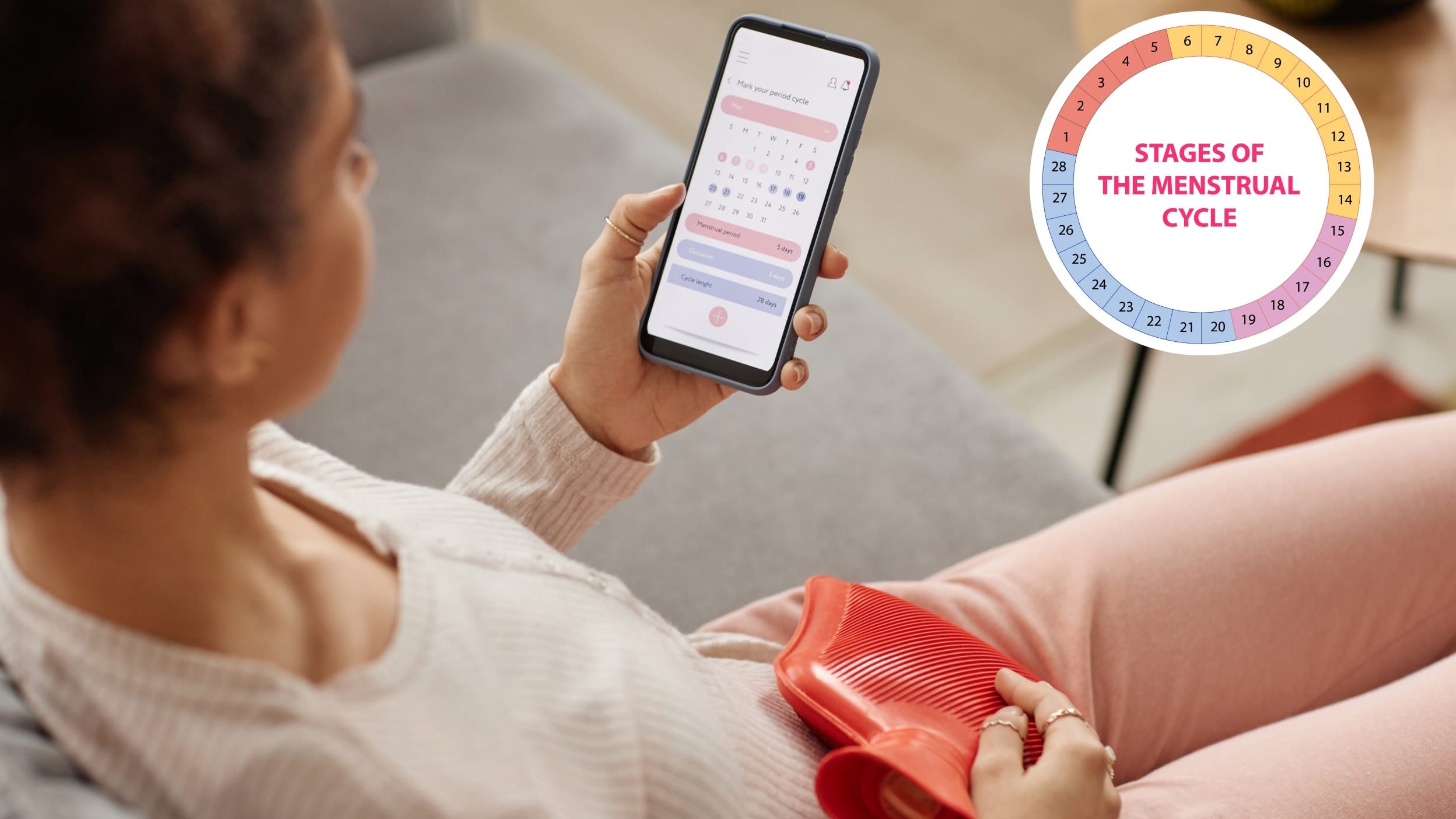
Cycle syncing isn’t just about your period, it’s about learning to align your lifestyle with your hormonal shifts, even when you’re not bleeding. The menstrual cycle naturally moves through four phases: menstrual, follicular, ovulatory, and luteal, each influencing your mood, energy, and focus in different ways.. Many women assume that if their period stops, the cycle stops too. But that’s not entirely true. Hormonal fluctuations often continue beneath the surface, even if they don’t result in a bleed.
When I work with clients who’ve lost their period due to stress, birth control, or postpartum recovery, I guide them to notice the subtle cues their body gives. Changes in sleep patterns, cravings, energy dips, or libido are all valuable indicators. These shifts can reveal which phase their hormones are mirroring whether they’re in an energetic “follicular” stretch or a calmer “luteal” state.
It’s not about “faking” a textbook 28 day cycle. It’s about reconnecting with your body’s natural intelligence and rhythm. Once you start paying attention, you’ll notice your body is still moving through cycles; they’re simply quieter and more intuitive than before.
Why Some Women Don’t Have a Regular Cycle
There are several reasons why you might not get a period:
- Hormonal birth control : The pill or IUD can suppress ovulation and create an artificial rhythm.
- Stress or overtraining: High cortisol can interrupt communication between your brain and ovaries.
- Postpartum or perimenopause: Your hormones are naturally shifting or rebalancing.
- Polycystic Ovary Syndrome (PCOS): Irregular ovulation can cause skipped or infrequent periods.
- Nutrient deficiencies or under eating: The body prioritises survival over reproduction when under fuelled.
In my experience, most women feel disoriented without a regular cycle; it’s like losing your internal compass. But even without bleeding, your body still speaks through energy, emotion, and performance cues. The trick is learning how to listen.
How to Track Your Hormonal Patterns Without Bleeding
If you’re not menstruating, you can still identify cyclical patterns using non traditional markers. Here’s how I guide my clients:
1. Track your energy
Notice how your motivation, creativity, or physical strength shifts every few weeks.
Many women report a “high energy window” similar to the follicular or ovulatory phase even without a period.
2. Monitor your mood
Do you have consistent weeks where you feel more social or more inward focused?
Mood fluctuations often mirror estrogen and progesterone changes.
3. Record sleep and temperature
Using wearable temperature data can help you detect hormonal shifts and cyclical changes, even if you’re not menstruating. Over time, these subtle fluctuations reveal your body’s internal rhythm, your personal hormonal blueprint.
4. Pay attention to cravings and skin
For example, oily skin or acne flare ups may signal hormonal peaks around ovulation. Over time, these patterns reveal your personal hormonal blueprint. You’ll start to notice rhythm even if it’s not tied to menstruation.
Cycle Syncing for Women on Birth Control or Irregular Cycles
When you’re on hormonal birth control, your body follows a synthetic cycle controlled by medication. You can still use cycle syncing principles, but your approach will focus on symptom tracking and support rather than ovulation timing.
In practice, I divide the month into four “supportive phases” to mimic the natural cycle:
| Synthetic Phase | Focus Area | What to Prioritise |
| Week 1 (Withdrawal/Period) | Renewal | Rest, hydration, journaling |
| Week 2 (Rising Estrogen) | Activation | Planning, strength training |
| Week 3 (High Progesterone) | Stabilisation | Balanced meals, grounding |
| Week 4 (Pre menstrual) | Reflection | Gentle movement, deep rest |
This model helps women stay connected to their bodies even if their cycle is medication managed.
For irregular cycles, I recommend following the moon cycle: new moon (menstrual), waxing (follicular), full moon (ovulatory), and waning (luteal). It’s surprisingly effective for rhythm and mindfulness.
Practical Ways to Sync Your Lifestyle Without a Period
Here’s what I often suggest to clients starting this journey:
1. Nutrition
- Eat protein and complex carbs regularly to stabilise blood sugar and cortisol.
- Include hormone balancing foods: flaxseed, avocado, leafy greens, and fermented foods.
- Limiting alcohol and caffeine can magnify mood swings and fatigue.
2. Fitness
- Listen to your energy cues. If you wake up tired, opt for walking or yoga instead of HIIT.
- When your energy surges, use it for strength training or more intense workouts.
3. Work and Productivity
- Track focus and creativity levels weekly. Align demanding projects with your high energy phase.
- Use low energy periods for planning or review work.
4. Self Care and Sleep
- Prioritise rest before burnout.
- Practice mindfulness or breathwork when you feel emotionally flat; these moments often signal hormonal dips.
The more you align your lifestyle with your natural rhythm, the less you’ll feel “out of sync” even without a regular period.
Common Mistakes to Avoid
When it comes to cycle syncing without a period, I often see women fall into the same few traps all driven by the pressure to “get it right.” The truth is, syncing isn’t about perfection or strict timelines; it’s about learning to understand your body’s rhythm and respond with awareness.
Here are some of the most common mistakes I see and how to avoid them:
- Forcing a perfect 28 day model:
Not every woman fits the textbook cycle length, and trying to force yourself into one can create unnecessary stress. Your cycle may be shorter, longer, or irregular and that’s completely normal. Focus on your patterns, not a number. - Ignoring emotional cues:
Mood swings, irritability, or bursts of creativity are not random; they’re early signs of hormonal shifts. Your emotions are a valuable tracking tool. When you listen to them, you begin to understand your hormonal rhythm more intuitively. - Comparing yourself to others:
Every woman’s hormones fluctuate uniquely. What feels balanced for one person might not for another. Your “normal” is your own honour instead of trying to replicate someone else’s. - Tracking too rigidly:
While data can be empowering, it’s easy to turn tracking into micromanaging. The goal isn’t to control every phase but to cultivate awareness and balance.
In my coaching practice, the women who thrive are those who observe rather than obsess. They learn to trust their bodies, move with their rhythm, and treat the process as a relationship not a rulebook.
Faqs about Cycle Syncing Without a Period
Can you do cycle syncing if you don’t get your period?
Yes. Even if you’re not bleeding, your hormones still move through patterns. You can track symptoms and align your habits accordingly.
What if I’m on hormonal birth control?
You can follow a four week structure that mimics your pill pack or hormonal rhythm. Focus on energy and mood cycles rather than fertility tracking.
How long does it take to notice benefits?
Most women feel improvements like steadier energy and mood within two to three cycles of consistent tracking and alignment.
Final thoughts
When I first lost my own period due to stress and overtraining, I felt disconnected from my body. Cycle syncing helped me rebuild that connection not through a textbook model, but through self awareness.
I learned that syncing isn’t just about ovulation or bleeding, it’s about rhythm, reflection, and respect for your body’s signals.
So even if your cycle looks different right now, you can still tune in. You can still honour your energy, plan your life in phases, and create balance from within.
Your body hasn’t failed you, it’s simply asking to be understood in a new language.