Table of Contents
What is phytoestrogen and which foods and supplements have them?. That’show phytoestrogens entered the conversation. I’ve spent years guiding women through this transition, and I’ve seen how small nutritional changes including foods rich in phytoestrogens can make a measurable difference in mood, energy, and symptoms like hot flashes or irregular cycles.
Let’s break it down simply and practically, the way I wish someone had explained it to me years ago.
What Are Phytoestrogens and How They Fit Into Cycle Syncing Nutrition
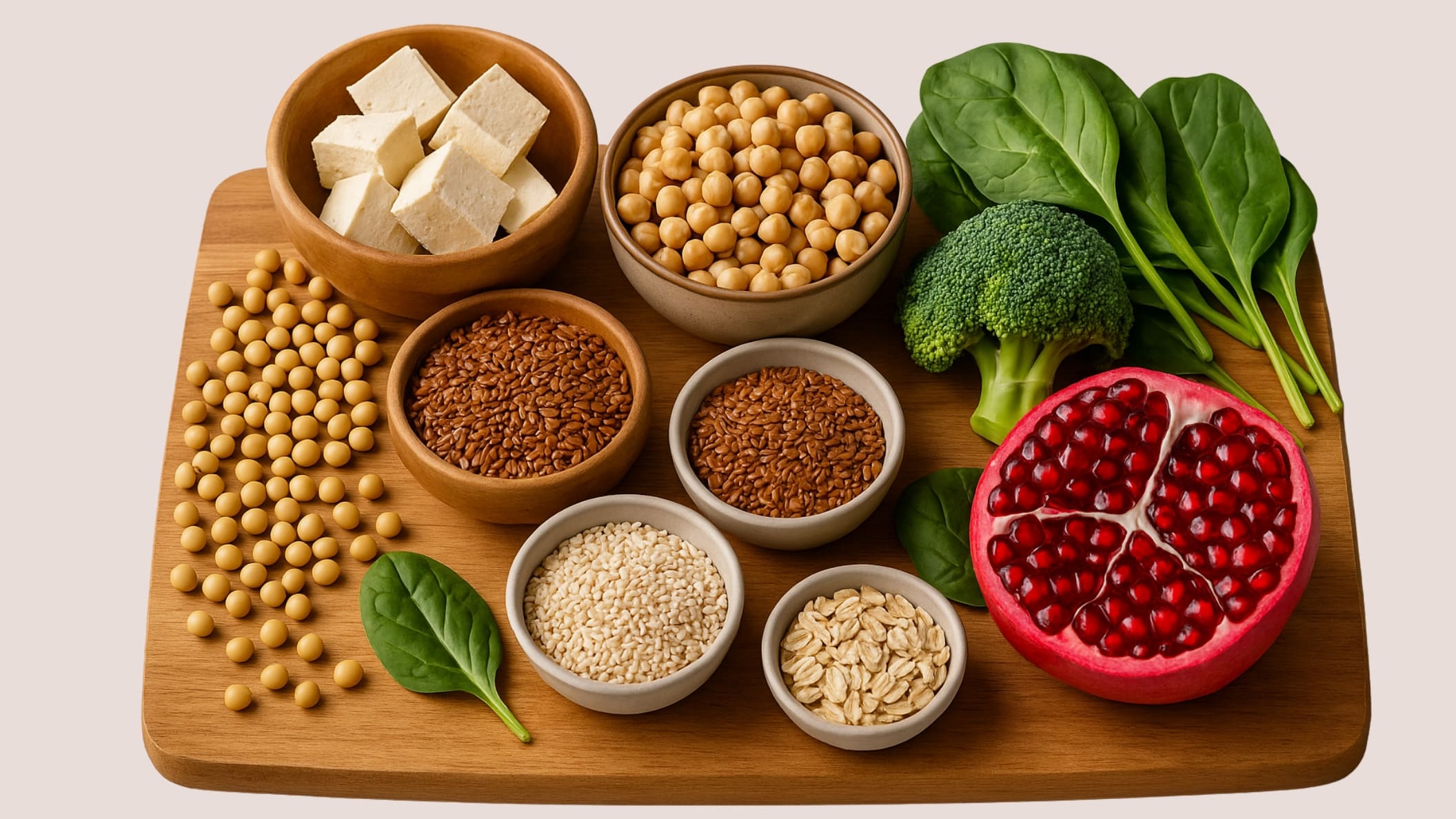
When I first learned about phytoestrogens, it completely changed how I approached hormone balance both for myself and the women I coach. These plant compounds mimic oestrogen in the body, binding to hormone receptors and helping to restore balance whether your levels are too high or too low. You’ll find them in everyday foods like flaxseeds, tofu, lentils, chickpeas, and whole grains.
In my experience, phytoestrogens play a key role in cycle syncing nutrition because they support your body differently during each phase. During the follicular and ovulatory phases, oestrogen naturally rises, which often brings energy and motivation but it can also trigger bloating or mood swings if levels spike too high. Incorporating foods like flaxseeds or soy at this time can help regulate that surge and keep your hormones steady.
Then, during the luteal and menstrual phases, oestrogen dips, leaving many women feeling drained, anxious, or low. This is where phytoestrogens become especially helpful they act as gentle hormonal support, improving mood, reducing fatigue, and even aiding sleep. I often recommend adding edamame, red clover tea, or a sprinkle of ground flaxseed to meals during this phase for a subtle but noticeable lift.
Supplements such as maca root or soy isoflavones can also be powerful additions, especially for women navigating irregular cycles or perimenopause. Combined with mindful eating, movement, and rest, phytoestrogens can transform how you experience your cycle.
Over the years, I’ve seen how tuning into these natural hormonal rhythms and using phytoestrogens strategically helps women feel more grounded, focused, and emotionally balanced. It’s not about control; it’s about collaboration with your body’s natural intelligence.
What Are Phytoestrogens?
Phytoestrogens are naturally occurring plant compounds that mimic the effects of estrogen in the body but in a gentler, more balanced way. They’re not synthetic hormones, and they don’t override your body’s natural rhythm. Instead, they bind to estrogen receptors, helping smooth out hormonal dips, especially during perimenopause.
In my experience, women who incorporate phytoestrogen rich foods often notice subtler PMS symptoms, better energy mid cycle, and improved mood around their period.
Common forms include:
- Isoflavones (found in soy and chickpeas)
- Lignans (found in flaxseeds and sesame seeds)
- Coumestans (found in alfalfa sprouts and split peas)
Think of phytoestrogens as plant allies that work with your hormones, not against them.
How Phytoestrogens Work in the Body
Here’s what most women don’t realise: estrogen doesn’t just control fertility. It also influences brain function, bone health, skin elasticity, and mood regulation.
During perimenopause, natural estrogen production starts to fluctuate wildly. That’s where phytoestrogens come in. They can:
- Lightly stimulate estrogen receptors when levels drop
- Block stronger estrogens when levels are high
- Support hormonal balance without overwhelming your system
This balancing act helps reduce symptoms like night sweats, brain fog, and fatigue, the common “rollercoaster” sensations of hormonal change.
Best Foods Rich in Phytoestrogens
When I began adjusting my clients’ diets, I noticed those who regularly ate phytoestrogen foods had steadier cycles and fewer mood dips. Below is a practical list I often share:
| Food Category | Examples | Key Compound |
| Soy & Legumes | Soybeans, tofu, tempeh, miso, chickpeas, lentils | Isoflavones |
| Seeds | Flaxseeds, sesame, sunflower, pumpkin seeds | Lignans |
| Grains | Oats, barley, rye | Lignans |
| Fruits | Berries, apples, plums, pomegranates | Flavonoids |
| Vegetables | Garlic, broccoli, sprouts, spinach | Coumestans |
If you’re new to these, start small, maybe add flaxseed to your smoothie or chickpeas to a salad. Consistency matters more than perfection. Pro tip: rotate your plant sources so your body receives diverse phytoestrogens rather than relying on just soy
Top Supplements for Perimenopause Support
Some women need an extra boost especially if diet alone doesn’t cover it. In those cases, I recommend exploring natural perimenopause supplements formulated to stabilise hormones and energy levels.
Here are some of my go to options that have helped clients (and me personally):
- Soya Isoflavones:
Proven to reduce hot flashes and mild anxiety. Look for fermented soy versions for better absorption. - Red Clover Extract:
Rich in isoflavones, this helps support cardiovascular health and hormone stability. - Black Cohosh:
A traditional herb that supports mood balance and sleep. Best used short term under professional guidance. - Vitamin B Complex & Magnesium:
Essential for energy and reducing stress related hormonal disruptions. - Omega 3 Fatty Acids:
Helpful for inflammation, brain clarity, and overall hormonal harmony.
When choosing the best supplements for perimenopause, always check quality certifications and avoid exaggerated “miracle” claims. I prefer brands that publish third party lab results or are listed on PubMed referenced clinical reviews.
Understanding Your Menstrual Phases and Hormones
Even if you’re approaching perimenopause, understanding your menstrual cycle phases is vital to syncing nutrition effectively. Here’s a simplified guide I use with clients:
| Phase | Hormonal Highlight | Focus Foods |
| Menstrual (Days 1–5) | Estrogen & progesterone are low | Iron rich foods, soups, and hydration |
| Follicular (Days 6–13) | Rising estrogen boosts energy | Fresh vegetables, lean protein, whole grains |
| Ovulatory (Days 14–16) | Peak estrogen & testosterone | Zinc and vitamin C foods, berries, fish |
| Luteal (Days 17–28) | Progesterone dominates, energy dips | Magnesium rich foods, complex carbs, nuts |
By aligning your meals and supplements with these phases, you naturally support hormonal rhythm, one of the most effective ways to balance estrogen without over supplementation.
How to Boost Estrogen Naturally
When estrogen drops, it can show up as fatigue, dull skin, low libido, or poor sleep. Beyond diet, here are holistic ways to encourage natural estrogen production:
- Prioritise sleep: Your body repairs hormonal pathways overnight.
- Manage stress: Chronic cortisol can suppress estrogen synthesis.
- Exercise by phase: Light workouts during menstruation, strength training in the follicular phase.
- Reduce endocrine disruptors: Avoid BPA plastics and synthetic fragrances that mimic estrogen.
- Use phytoestrogen cream or oils: Some women benefit from natural topical options like yam based or red clover creams.
Small lifestyle shifts can lead to measurable changes in how your body feels and functions through each cycle.
Faqs about What is phytoestrogen and foods and supplements
1. Are phytoestrogens safe for everyone?
Generally, yes especially when coming from food. If you have a history of hormone sensitive conditions (like breast cancer), always discuss supplements with your healthcare provider.
2. Can men take phytoestrogens?
Yes, in moderate amounts. Phytoestrogens from food can support cardiovascular and prostate health, though concentrated supplements aren’t recommended for men.
3. How long before noticing results from supplements?
Most women notice improvements within 4 – 8 weeks of consistent use. It’s gradual but steady, think of it as nurturing balance rather than forcing quick change.
Final thoughts
When I first learned about phytoestrogens, I’ll admit I was sceptical. It sounded too simple that plants could help balance something as complex as hormones. But after years of testing, adjusting, and watching women’s confidence return as their symptoms eased, I became a believer.
This isn’t about replacing your hormones, it’s about supporting your body’s rhythm. Whether you start by sprinkling flaxseed on your breakfast or adding soya isoflavones to your supplement routine, every small step builds resilience.
Your hormones aren’t your enemy; they’re messengers. And when we listen through food, rest, and self care our bodies respond beautifully.