Table of Contents
If you’ve ever felt like your energy was unpredictable, swinging from unstoppable focus one week to dragging your feet the next, you’re definitely not alone. For years, I thought I just wasn’t consistent enough with my sleep or workouts. Eventually, I realized it wasn’t a lack of discipline. It was my hormones leading the rhythm.
Our menstrual cycle influences nearly every part of our lives, from how our brains focus to how our muscles recover after exercise. The fluctuations in estrogen, progesterone, and other hormones throughout the month create a natural ebb and flow in our energy. Once I started tuning into that rhythm, I noticed I could actually work with my body instead of constantly fighting it.
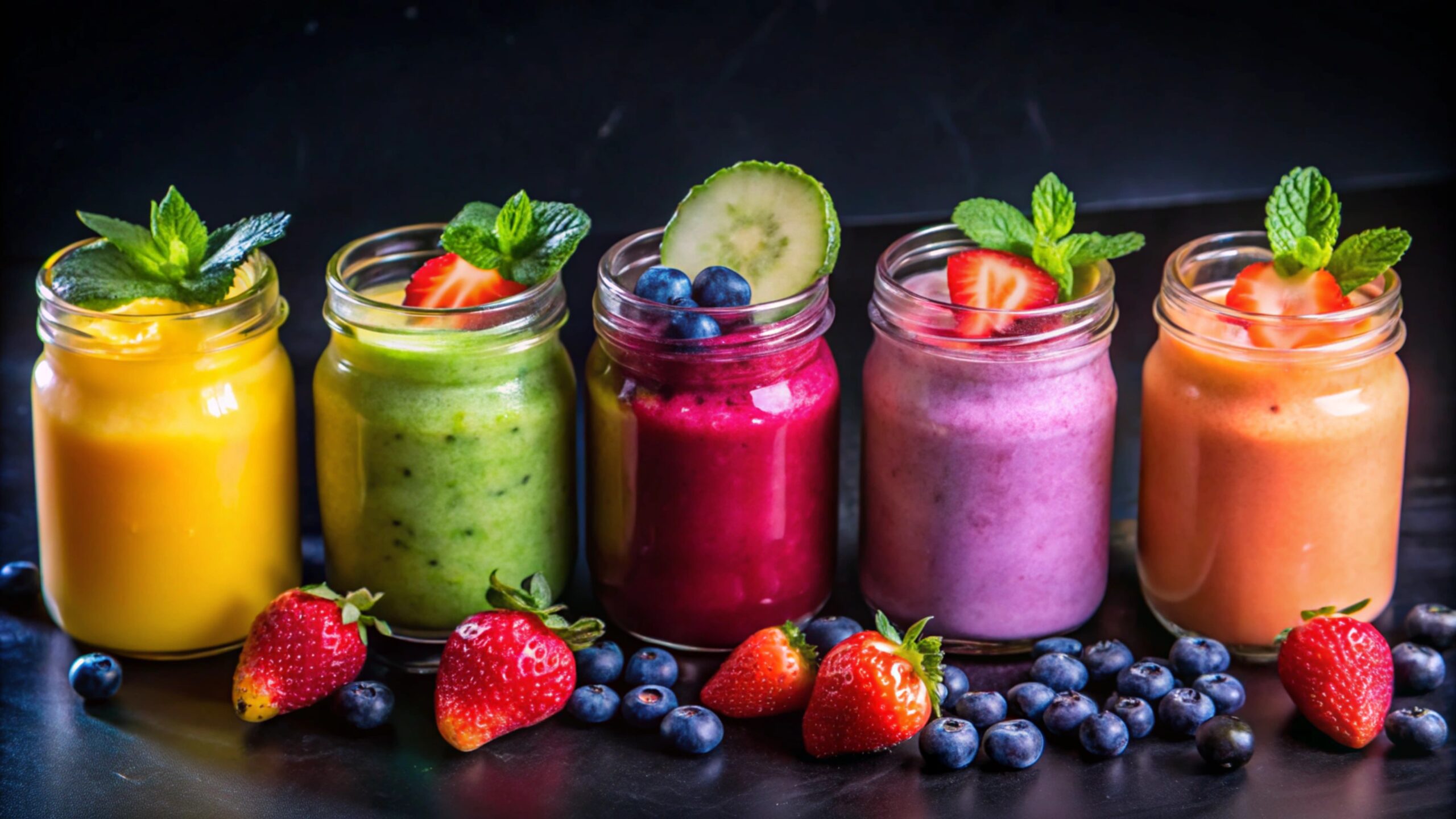
One of the simplest yet most powerful changes I made was adjusting what I drank during each phase of my cycle. The right drinks can nourish your hormones, stabilize blood sugar, and sustain energy from morning to night. It’s a small shift that has a surprisingly big payoff.
Understanding Hormones and Energy Across the Cycle
Let’s talk about science for a moment because understanding what’s happening in your body is empowering. Your menstrual cycle has four distinct phases, each shaped by changes in key hormones. These shifts influence metabolism, fluid balance, stress response, and even how you process caffeine or sugar.
When estrogen rises in the follicular phase, most women feel more energetic, optimistic, and social. During the luteal phase, as progesterone increases, energy naturally slows down to prepare the body for a potential pregnancy. These hormonal tides explain why we can feel like two completely different people across a single month.
Here’s a simplified view of the hormonal rhythm and how it relates to energy:
| Phase | Main Hormones | Energy Pattern | Common Feelings |
| Menstrual | Low estrogen and progesterone | Low energy | Tired, introspective |
| Follicular | Rising estrogen | Increasing energy | Motivated, optimistic |
| Ovulatory | Peak estrogen and testosterone | High energy | Confident, social |
| Luteal | Rising then falling progesterone | Energy dip | Sluggish, craving comfort |
Recognizing these natural shifts can help you stop judging yourself for feeling tired at certain points and start supporting your body with intention.
The Four Phases of the Menstrual Cycle and What to Drink
Cycle syncing drinks are all about giving your body what it needs when it needs it. Here’s how I approach each phase, both personally and with clients I’ve coached.
Menstrual Phase (Days 1–5): Nourish and Replenish
This is your body’s recovery time. Hormone levels are low, your body is shedding the uterine lining, and inflammation can increase. Fatigue and cramps are common, so comfort and minerals matter most.
What to drink:
- Warm herbal teas like ginger, cinnamon, or chamomile to reduce bloating and ease cramps
- Iron-supporting smoothies with spinach, dates, molasses, and cacao to replenish lost minerals
- Broths and soups to restore electrolytes and promote gentle hydration
During my own period, I always reach for a big mug of ginger-lemon tea with a pinch of sea salt. It feels grounding and calms both my digestion and mood. I also notice that cutting back on coffee during these days helps me avoid those rollercoaster energy spikes and crashes.
Your goal here isn’t to push through the fatigue but to support your body’s natural reset. Think of this phase as the “winter” of your cycle, restorative and quiet.
Follicular Phase (Days 6–14): Energize and Restore
Once your period ends, estrogen begins to climb, and with it, your physical and mental energy. This is a great time to focus on hydration, creativity, and building momentum.
What to drink:
- Green smoothies made with leafy greens, pineapple, and flax seeds to support detoxification and hormone metabolism
- Matcha lattes for a smooth, focused caffeine boost that won’t spike cortisol
- Coconut water or infused water with lemon, cucumber, and mint to keep hydration on point
This is when I personally feel like starting new projects or adding an extra workout to my week. My go-to drink during this time is a pineapple-spinach smoothie with chia seeds. It keeps me light yet energized.
Estrogen also increases insulin sensitivity, meaning your body handles carbohydrates better in this phase. That’s why natural sugars from fruit or smoothies often feel more satisfying now than later in the month.
Ovulatory Phase (Days 15–17): Support Peak Energy
Ovulation is the “summer” of your cycle. Hormones peak, your libido and confidence rise, and social energy is high. But it’s easy to overdo it during this window because you feel invincible. Staying hydrated keeps you balanced and prevents the crash that can follow.
What to drink:
- Electrolyte water or mineral mocktails with a splash of citrus for hydration and sparkle
- Berry-rich smoothies with antioxidants to protect against inflammation from the ovulatory surge
- Cooling herbal teas like hibiscus or peppermint to offset your slightly higher body temperature
I love making a sparkling pomegranate drink with a squeeze of lime and mint leaves during this phase. It feels festive and keeps me refreshed through busy days or intense workouts.
Keep in mind that while caffeine tolerance is often higher here, too much can disrupt sleep or increase anxiety later. Moderation really pays off.
Luteal Phase (Days 18–28): Soothe and Stabilize
This is the most complex phase for many women. Progesterone rises to prepare your body for potential implantation, and that can make you feel warmer, hungrier, and sometimes moodier. Blood sugar levels are more sensitive, so stabilizing energy becomes your top priority.
What to drink:
- Adaptogenic lattes with herbs like maca, ashwagandha, or reishi to calm stress hormones
- Cinnamon-spiced cacao drinks for natural magnesium and mood support
- Protein-rich smoothies with banana, almond butter, and oats to steady your energy throughout the day
During this time, I often replace my afternoon coffee with a maca-cacao latte blended with oat milk. It satisfies cravings and supports my hormones rather than draining them.
Your body may crave comfort foods now because serotonin and dopamine production can dip. Instead of fighting those cravings, listen to them and upgrade them. Add cinnamon, nuts, or cacao to your drinks for natural mood support.
Why Hydration Affects Hormones and Energy Levels
Many women underestimate how much hydration influences hormones. Water supports every stage of hormone transport and detoxification. Without enough fluids, the liver and kidneys can’t metabolize estrogen efficiently, which can worsen PMS or fatigue.
Even mild dehydration can make you feel tired or foggy. I recommend aiming for at least half your body weight in ounces of water daily. During your luteal and menstrual phases, you may need slightly more because body temperature and fluid loss increase.
To make hydration easier, I add mineral drops or a pinch of sea salt to my water. Sometimes I use coconut water as a base for smoothies to replace electrolytes. These little things keep hormones balanced and energy steady without relying on stimulants.
How Caffeine Needs Shift Through the Month
Caffeine can be a useful tool or a complete energy saboteur depending on where you are in your cycle. I learned this through trial and error. When estrogen is rising, caffeine tends to feel smoother and more productive. But when progesterone dominates later in the month, caffeine can make me anxious or interfere with sleep.
If you notice that your usual morning coffee hits harder right before your period, that’s not in your head. During the luteal phase, your liver metabolizes caffeine more slowly, which means it stays in your system longer.
A few gentle swaps that helped me balance caffeine:
- Follicular phase: Matcha or green tea for stable focus
- Luteal phase: Herbal coffee alternatives or chicory root blends
- Menstrual phase: Cacao or rooibos tea for warmth and calm
Rather than cutting caffeine completely, I focus on timing and quantity. Drinking it before noon and pairing it with protein helps prevent mid-day crashes and keeps cortisol stable.
Real World Tips for Building a Cycle Syncing Drink Routine
Over the years, I’ve experimented with many wellness trends, but cycle syncing has been one of the few that genuinely stuck. Here are a few practical ways to bring it into your daily life.
- Batch-prep your drinks at the start of the week. I prep smoothie bags or herbal infusions so it’s effortless on busy mornings
- Use visual cues. Keep a glass bottle on your desk or set phone reminders to sip water throughout the day
- Track your patterns. Apps like MyFlo, Clue, or a simple notebook can help you connect how your energy changes with your hydration and drink choices
- Experiment gradually. Don’t overhaul everything at once. Start by aligning just one drink per phase and notice how you feel
- Listen to your cravings. They’re not random. Craving salt might mean you need more minerals. Craving chocolate might signal magnesium deficiency
Most women who try this notice changes within two cycles with fewer energy dips, smoother moods, and better sleep. It’s about building a rhythm with your body, not controlling it.
FAQs
1. What drinks support energy throughout my menstrual cycle?
Natural options like smoothies with greens, electrolyte-infused water, and herbal adaptogen lattes help maintain energy without overstimulating hormones.
2. Why does my energy drop at certain times of my cycle?
Hormonal shifts, especially low estrogen and progesterone, naturally lower metabolic rate and energy output. Supporting your body nutritionally helps ease the dips.
3. How can cycle syncing drinks help prevent energy crashes?
They stabilize blood sugar, support hydration, and balance cortisol levels, allowing for smoother energy and improved focus throughout each cycle phase.
Final Thoughts
When I first began paying attention to my cycle, I realized how much unnecessary pressure I’d been putting on myself to feel the same every day. The truth is, women aren’t meant to operate on a flat line of energy. We are cyclical by design, and that’s our strength, not our flaw.
Adjusting my drinks each week wasn’t just about nutrition. It became an act of self-respect. It reminded me that my body is always communicating, and when I listen, it rewards me with steadier focus, better moods, and deeper energy.
If you take anything from this, let it be this: your body’s rhythm is not something to fix. It’s something to honor. When you start syncing your drinks, your food, and your rest with your natural cycle, you don’t just get more energy. You build a more trusting relationship with yourself.