Table of Contents
If there’s one part of the menstrual cycle that feels like a test of patience, it’s the Cycle Syncing Luteal Phase Nutrition. This is the two week stretch between ovulation and your period when your hormones shift gears and your body quietly prepares for menstruation.
When I first started tracking my cycle, I used to dread this phase. I’d feel bloated, unmotivated, and moody for no obvious reason. My usual workouts felt harder, and I couldn’t understand why I craved comfort food so intensely.
Once I began studying the hormonal changes behind the scenes and adjusting my nutrition based in cycle syncing luteal phase and around them it was like turning down the volume on PMS. The cravings made sense, the fatigue felt manageable, and my mood swings were less intense.
That’s the power of cycle syncing nutrition. It isn’t a diet. It’s a strategy to support your body’s natural rhythm so it can perform at its best all month long.
Why Nutrition Matters Before Your Period
Most women think of PMS as something they just have to tolerate. But your luteal phase is actually an opportunity to support your hormones through nutrition.
During this time, your metabolism speeds up slightly, which means your body burns more calories. At the same time, progesterone levels rise, and that shift can cause changes in appetite, digestion, and energy levels. If you’re not eating enough or not eating the right balance of nutrients, your body will signal distress through cravings, fatigue, and mood swings.
When you understand these signals, you stop seeing them as problems to suppress and start treating them as communication from your body. In my experience, when women nourish properly during the luteal phase, PMS symptoms often reduce by half or more.
The Hormonal Landscape of the Luteal Phase
The luteal phase begins right after ovulation and lasts about 10 to 14 days. Progesterone becomes the dominant hormone, while estrogen levels taper off. Here’s what that means in practical terms:
- Progesterone rises, creating a calming effect but also slowing digestion, which can lead to bloating.
- Estrogen dips, reducing serotonin levels and sometimes lowering mood or motivation.
- Metabolism increases, which explains the stronger appetite.
- Body temperature rises, so hydration and electrolyte balance become more important.
These internal changes are why you may crave complex carbs, sweets, or salty snacks. Your body is looking for stability. By giving it nutrient rich, whole foods instead of processed quick fixes, you keep your hormones balanced and energy steady.
The Science Behind Cravings and Mood Changes
Cravings during the luteal phase are often blamed on “lack of willpower,” but there’s a biochemical reason for them. Lower serotonin and fluctuating blood sugar levels can trigger your brain to seek comfort and quick energy.
In one client case I remember, a fitness professional named Laura, she’d always find herself elbow deep in snack foods right before her period. We didn’t focus on cutting out foods; instead, we looked at adding foods that stabilised her blood sugar like oats, protein, and healthy fats. Within two cycles, her sugar cravings reduced dramatically, and her premenstrual fatigue improved.
Your body doesn’t crave sugar because it’s weak. It craves sugar because it needs serotonin and stable blood glucose. The solution isn’t to restrict but to nourish smarter.
Foods That Support Hormones and Reduce PMS
This is where cycle syncing becomes practical. During the luteal phase, I focus on foods that are grounding, warming, and nutrient dense. These help balance blood sugar, ease digestion, and support progesterone production.
Key Nutrients for the Luteal Phase
| Nutrient | Food Sources | Why It Matters |
| Magnesium | Spinach, pumpkin seeds, dark chocolate | Relaxes muscles, reduces cramps, supports sleep |
| Vitamin B6 | Bananas, salmon, chickpeas | Boosts serotonin, reduces bloating |
| Zinc | Lentils, pumpkin seeds, beef | Supports progesterone and skin health |
| Complex Carbs | Sweet potatoes, oats, brown rice | Stabilises blood sugar and mood |
| Omega 3s | Salmon, walnuts, flaxseed | Reduces inflammation and PMS pain |
| Iron | Lean meats, lentils, tofu | Replenishes stores before menstruation |
| Fibre | Vegetables, beans, chia seeds | Helps flush excess estrogen |
When I focus my meals around these foods, I notice my mood stays balanced and my energy doesn’t crash in the afternoons.
A few of my go to combinations:
- Baked salmon with quinoa, roasted sweet potatoes, and spinach.
- Lentil curry with brown rice and steamed broccoli.
- Oatmeal with flaxseed, banana, and cinnamon for breakfast.
These aren’t restrictive meals. They’re stabilising, satisfying, and hormone friendly.
What to Avoid Before Your Period
There are also foods that can quietly make PMS worse without you realising it.
- Refined sugars create blood sugar spikes followed by mood crashes.
- Excess caffeine can amplify anxiety and disrupt sleep.
- Alcohol taxes the liver, which is responsible for clearing excess hormones.
- Salty processed foods cause water retention and bloating.
- Dairy and high fat fried foods can increase inflammation.
In my own luteal phase, I try to replace coffee with green tea or matcha, and when the craving for sweets hits, I reach for dark chocolate with magnesium instead of baked goods. These swaps sound small, but they make a big difference in how I feel both physically and mentally.
My Personal Luteal Phase Meal Framework
Over time, I’ve developed a rhythm for this phase that doesn’t require constant decision making.
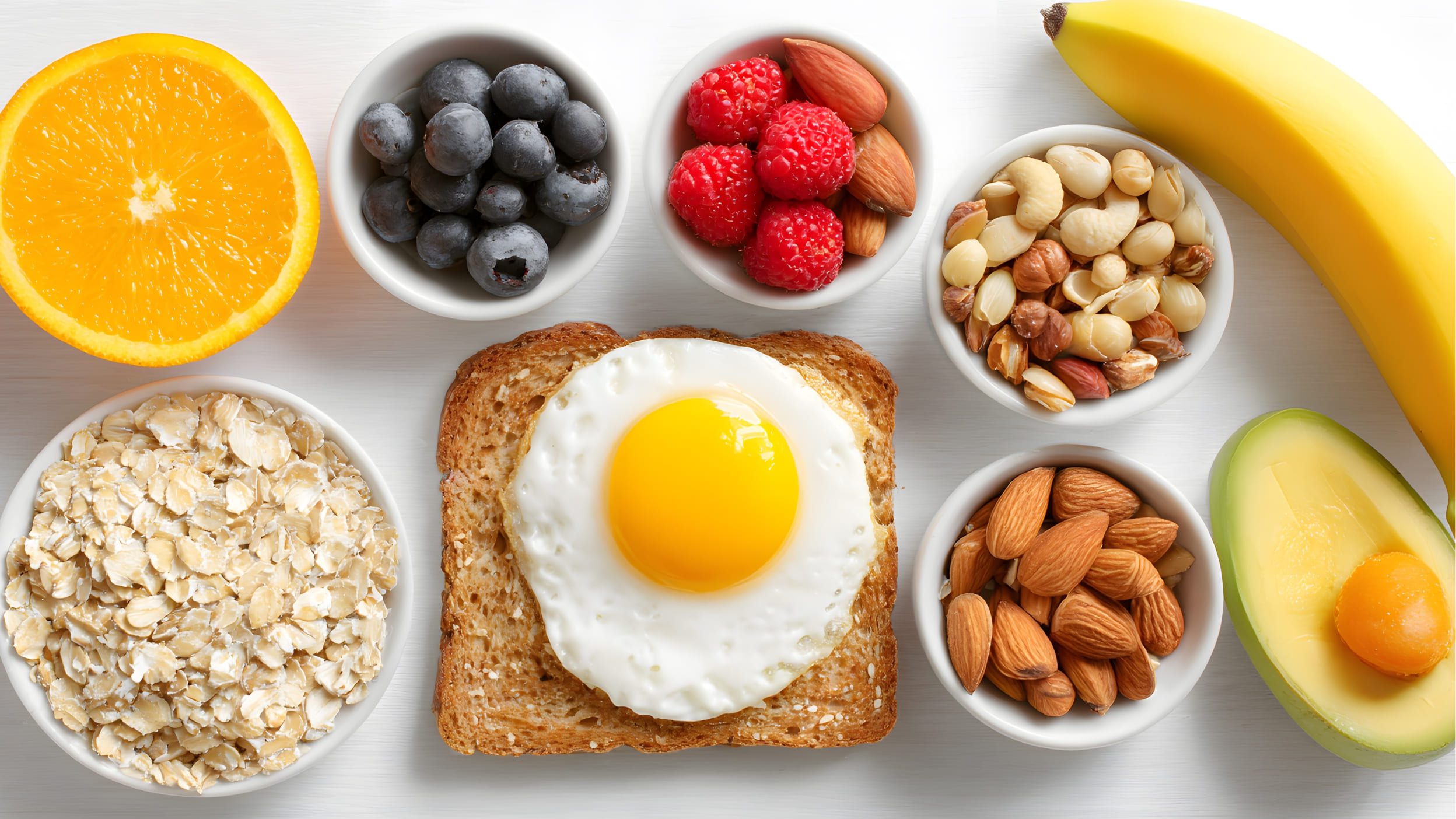
Morning: A warm, nourishing breakfast like oatmeal with almond butter and chia seeds, or eggs with spinach and avocado.
Midday: A balanced lunch with protein, fibre, and complex carbs. Lentil soup or grilled chicken with quinoa and roasted vegetables works beautifully.
Afternoon snack: A handful of walnuts, dark chocolate, or hummus with veggie sticks to stabilise blood sugar.
Evening: A magnesium rich dinner like salmon, tofu stir fry, or sweet potatoes with greens.
Before bed: Herbal tea (chamomile or lemon balm) to calm digestion and support sleep.
I also recommend batch cooking during this phase. Your motivation might drop slightly, so having nourishing meals ready to go saves you from impulsive takeout orders.
Supplements and Micronutrients That Help
While food should always be the foundation, some nutrients are worth highlighting if you struggle with PMS or hormonal imbalances.
- Magnesium glycinate: Helps relieve cramps, promotes relaxation, and supports deep sleep.
- Vitamin B6: Aids in progesterone balance and helps reduce irritability.
- Zinc: Supports immune health and improves premenstrual acne.
- Omega 3s (from fish oil or flax oil): Calms inflammation and supports brain health.
- Calcium: Can reduce water retention and cramping.
I typically advise women to focus on food first for two full cycles, then evaluate whether supplements are necessary. Your body often responds beautifully once it’s consistently nourished.
How Food Impacts Mood, Skin, and Sleep
It’s impossible to separate hormonal health from emotional health. Food influences how we think and feel more than most people realise.
When blood sugar dips, so does mood. That irritability many women feel in the luteal phase isn’t just “hormonal.” It’s often hypoglycemia from irregular meals or too much caffeine. Keeping your meals balanced with protein, fibre, and healthy fats stabilises your energy and mindset.
Your skin also gives you clues. Breakouts before your period can signal inflammation or excess estrogen. Supporting liver detox with cruciferous vegetables like broccoli, kale, and cauliflower can make a visible difference.
As for sleep, magnesium and complex carbs are game changers. When I prioritise magnesium rich foods and avoid caffeine after lunch, I sleep more deeply and wake up calmer even during PMS.
FAQs About Cycle Syncing Luteal Phase Nutrition
What should I eat during the luteal phase to reduce PMS symptoms?
Focus on whole foods rich in magnesium, vitamin B6, fibre, and omega 3s. Sweet potatoes, lentils, leafy greens, and salmon are great staples.
Which foods balance hormones before my period?
Cruciferous vegetables, whole grains, and zinc rich foods help the liver metabolise hormones efficiently and support healthy progesterone levels.
Can eating certain foods reduce bloating and cravings?
Yes. Eating regularly spaced, fibre rich meals helps stabilise digestion and blood sugar, which in turn reduces cravings and bloating.
Final thoughts
When I first began experimenting with cycle syncing, I didn’t expect food to make such a noticeable difference. But after a few months of paying attention to what I ate before my period, I saw the pattern clearly: when I nourished my body properly, everything felt smoother. My sleep was deeper, my mood was lighter, and my energy didn’t crash halfway through the day.
The luteal phase used to feel like a storm I had to ride out. Now, it feels like a time to slow down, ground myself, and prepare for renewal.
Cycle syncing luteal phase nutrition isn’t about rules or perfection it’s about respect. Respecting that your body has changing needs, that nourishment looks different week to week, and that you can work with your hormones rather than against them.
Every month, your body offers you the chance to listen, adjust, and thrive. And when you do, you’ll find that balance isn’t something you chase. It’s something you create one meal, one cycle, one day at a time.