Table of Contents
If there’s one part of the menstrual cycle that truly tests how well we care for ourselves, it’s the Luteal Phase Kitchen Tips for Mood & Digestion. This is the time between ovulation and your next period, usually about 10 to 14 days long. Progesterone becomes the dominant hormone, and it changes everything from your energy levels to your appetite to your gut function.
I’ve seen this pattern in myself and in countless women I’ve coached. We start the month full of ideas and drive during the follicular and ovulatory phases, but once the luteal phase rolls in, everything slows down. Energy wanes, digestion feels sluggish, and those famous PMS symptoms start whispering, sometimes shouting for attention.
Instead of fighting these shifts, I’ve learned to see them as signals. When your body asks for rest, warmth, or comfort, it isn’t betraying you. It’s preparing you. The luteal phase is your body’s gentle nudge to slow down and nourish yourself differently.
Why Mood and Digestion Shift Before Your Period
During this phase, progesterone levels rise to prepare your body for a potential pregnancy. It’s a calming hormone in theory, but in practice, it can feel like you’re running on a dimmer switch. You might feel sleepier, hungrier, or a bit foggy.
Here’s the tricky part: progesterone also slows digestion. It relaxes the smooth muscles of your intestines, which is why so many of us experience bloating, constipation, or a “heavy” feeling after meals. Add a drop in estrogen and serotonin near the end of this phase, and it’s no wonder our moods shift and cravings intensify.
When I started connecting these dots in my own cycle, I realised my body wasn’t “off.” It was simply changing gears. Once I began eating in a way that supported those shifts, my PMS symptoms dropped dramatically, and digestion became far more predictable.
The Science of Hormones and Digestion
Progesterone slows gut motility, while lower estrogen affects bile flow meaning fats can be harder to digest before your period. This hormonal duo can lead to bloating, sluggish digestion, or even mild nausea. On top of that, cortisol (your stress hormone) can rise more easily during the luteal phase, which further affects gut health.
That’s why I focus on reducing inflammation through food during this time. Warm, fibre rich, mineral dense meals keep the digestive system moving without triggering discomfort. Instead of salads or raw snacks, I lean into cooked vegetables, soups, and broths that are easier on the stomach and provide grounding energy.
Foods That Support PMS Relief and Hormone Balance
In my years of experimenting with cycle syncing nutrition, I’ve noticed that the simplest meals are often the most effective. You don’t need exotic superfoods or complicated recipes just strategic, real ingredients that stabilise hormones and calm the nervous system.
Here’s what works best in my kitchen and my clients’ homes:
| Focus | Foods That Help | Why It Matters |
| Magnesium | Pumpkin seeds, almonds, dark chocolate, spinach | Reduces bloating, eases cramps, and supports relaxation |
| Vitamin B6 | Chickpeas, potatoes, turkey, bananas | Supports serotonin production and helps regulate mood |
| Fibre + Prebiotics | Cooked apples, oats, lentils, flaxseed | Keeps digestion steady and helps the body eliminate excess hormones |
| Healthy Fats | Avocado, salmon, olive oil, walnuts | Stabilises energy and improves hormone synthesis |
| Complex Carbohydrates | Quinoa, brown rice, sweet potatoes | Keeps blood sugar stable and supports steady mood and focus |
The key is balance. Every meal should combine protein, fibre, and fat to prevent blood sugar swings that worsen PMS.
Warm vs. Cold Foods: Listening to What Your Body Craves
Before I began cycle syncing, I thought “healthy” meant smoothies and raw salads all year round. But during my luteal phase, those meals always left me bloated and chilled. My digestion felt slower, and I craved something grounding.
It turns out that was my body asking for warmth. When progesterone rises, your basal body temperature also goes up, and your digestive system slows down slightly. Warm, cooked foods are easier to digest and feel naturally comforting.
These are the kinds of meals that changed everything for me:
- Slow cooked soups and stews with root vegetables
- Roasted seasonal vegetables with olive oil and herbs
- Herbal teas with ginger, chamomile, or cinnamon
- Warm breakfasts like oatmeal or baked porridge
Once I swapped my cold smoothies for warm oats and my raw veggies for roasted ones, I noticed my bloating disappeared and my energy remained stable throughout the day.
My Essential Luteal Phase Kitchen Staples
If you were to look in my pantry right now during my luteal phase, you’d see a very specific lineup of what I call my “comfort support” ingredients. These are staples that keep me grounded and nourished without feeding inflammation or sugar crashes.
- Sweet potatoes: Sweet and satisfying, full of slow carbs and fibre.
- Cinnamon and nutmeg: Help manage cravings and stabilise blood sugar.
- Bone broth: Rich in minerals and amino acids for gut healing and hydration.
- Dark chocolate (85%): A magnesium rich treat that actually supports relaxation.
- Chickpeas and lentils: Protein and fibre in one, perfect for soups or curries.
- Greek yoghurt: A great source of calcium and probiotics to ease digestion.
- Leafy greens: Cooked spinach or kale for gentle iron replenishment before your period.
When I teach clients to stock their luteal phase kitchen, I remind them: your staples should make you feel calm, not restricted. The goal isn’t dieting. It’s nurturing your hormones with consistency.
Real World Meal Ideas for Calm, Comfort, and Energy
Here’s how I typically eat during the luteal phase. These aren’t rigid rules, just flexible examples that have worked in real life for me and many women I coach.
Breakfast:
Warm oats cooked with cinnamon, flaxseed, banana, and almond butter. This combo provides steady energy and magnesium for mood regulation.
Lunch:
Lentil soup with carrots, celery, and turmeric. Add a squeeze of lemon for a little digestive support.
Snack:
Greek yoghurt with dark chocolate shavings and walnuts. It satisfies cravings while feeding your brain healthy fats.
Dinner:
Salmon with roasted sweet potatoes and sautéed kale in olive oil. Omega-3 fats help lower inflammation and support hormonal balance.
Dessert:
Baked apple with oats, cinnamon, and a drizzle of honey. It’s comforting, naturally sweet, and easy on digestion.
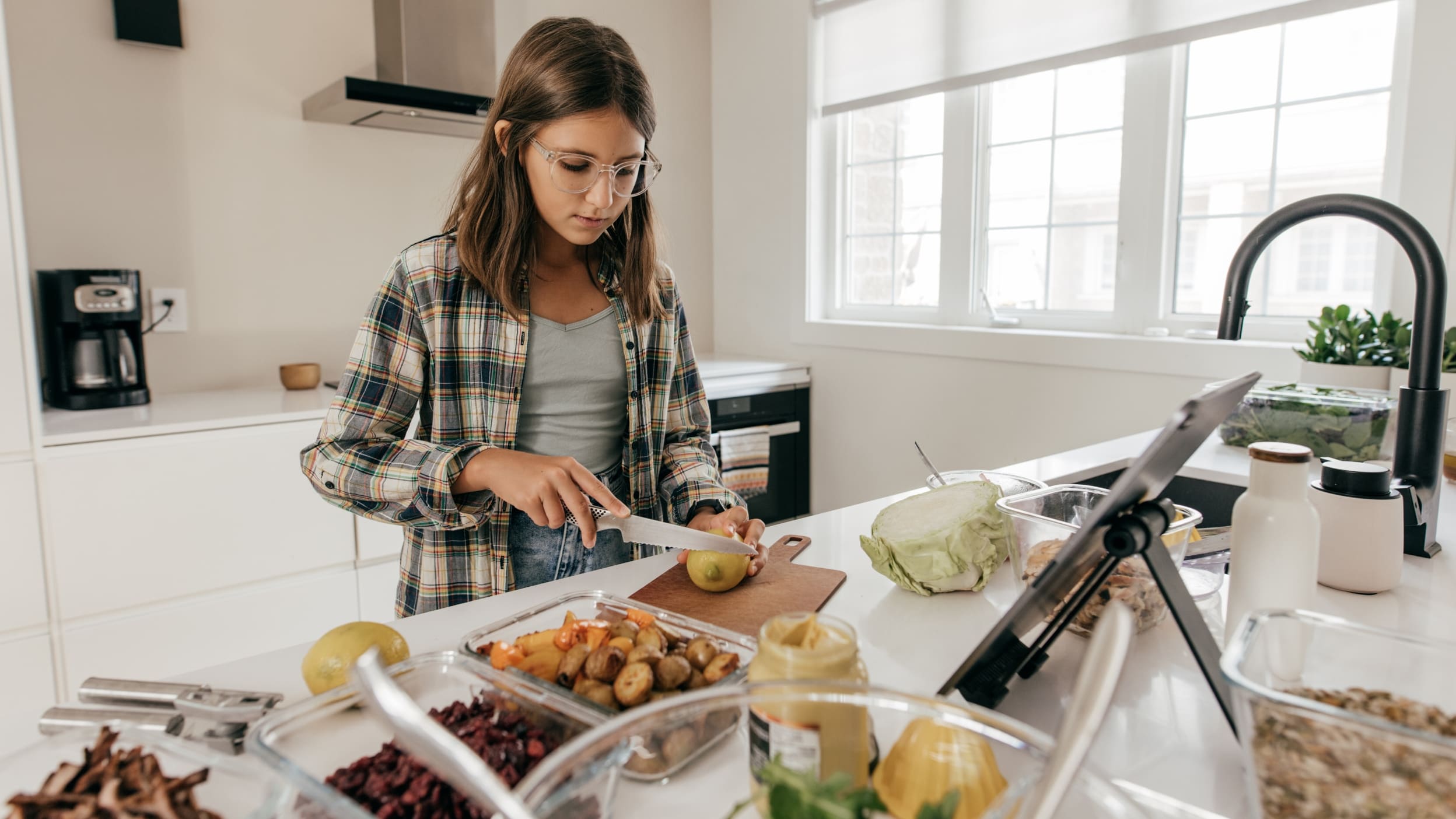
The beauty of these meals is that they’re adaptable. You can batch cook most of them early in your luteal phase when you still have moderate energy, so you’re prepared when fatigue sets in closer to menstruation.
Meal Prep Tips for a Smoother Week Before Your Period
By the time I reach my late luteal phase, I know my motivation to cook will drop. That’s why I plan ahead. My focus shifts from creativity to simplicity.
Here’s what I’ve learned works best:
- Batch cook grains: Prepare quinoa or brown rice to use across multiple meals.
- Roast a big tray of vegetables: Pumpkin, zucchini, and carrots are versatile and easy to reheat.
- Pre portion snacks: Pumpkin seeds, almonds, or energy balls prevent impulse eating.
- Keep herbal teas visible: Ginger, chamomile, and peppermint support digestion and calm.
- Stay hydrated: Progesterone can increase water retention, so mineral water or warm lemon water can help balance fluids.
The idea isn’t perfection, it’s reducing friction. When your kitchen supports your body’s rhythm, you don’t waste energy fighting against it.
FAQs About Luteal Phase Kitchen Tips for Mood & Digestion
What should I eat during the luteal phase to reduce bloating?
Focus on magnesium rich foods like pumpkin seeds and leafy greens, cooked vegetables for easy digestion, and plenty of hydration. Avoid overly processed foods and large raw salads that can be harder to digest.
Can I still drink coffee or alcohol before my period?
Yes, but moderation matters. Caffeine and alcohol can worsen PMS symptoms for some women. Try switching to herbal tea or decaf coffee a few days before your period and notice how your body responds.
How can I manage cravings naturally?
Cravings often stem from blood sugar dips or serotonin drops. Pair carbs with healthy fats and protein. I like a square of dark chocolate or a small serving of sweet potato with almond butter satisfying, stabilising, and hormone friendly.
Final thoughts
The luteal phase used to feel like a battle. I’d beat myself up for being less productive, crave junk food, and feel disconnected from my body. But once I learned to see it as a natural slowdown instead of a setback, everything changed.
Cycle syncing taught me that food is more than fuel it’s communication. When I eat in tune with my hormones, my body responds with steadier energy, better digestion, and calmer moods.
You don’t have to overhaul your life to see results. Start by warming your meals, choosing whole ingredients, and slowing down just a little. These small shifts ripple into big changes.
The truth is, your luteal phase isn’t the problem. It’s your body asking for presence. So the next time PMS shows up, step into your kitchen, light a candle, stir something warm on the stove, and remember: your body already knows what it needs. You just have to listen.