Table of Contents
I still remember Iron-Rich Recipes You’ll Love the first time I realised how much the follicular phase affects not just my body but also my motivation, creativity, and energy. It’s that “spring” season of your menstrual cycle, the days right after your period when everything starts to feel lighter, fresher, and more optimistic. The fog lifts, your energy returns, and suddenly you feel like taking on the world again.
Biologically, this phase begins right after menstruation and continues until ovulation. Your estrogen levels start climbing, stimulating follicle development and increasing your energy, mood, and metabolism. I like to think of it as the time when your body says, “Let’s rebuild.”
After the bleeding phase, your iron stores are typically lower, and your body is eager for renewal. This makes it the perfect time to focus on nutrient dense, iron rich foods that replenish and prepare you for the higher energy weeks ahead.
Why Iron Matters After Your Period
Most women underestimate how important iron is after their period. You’ve just lost blood, and with it, a fair amount of iron. That depletion can show up as fatigue, lightheadedness, or that familiar mid morning crash that hits you no matter how much coffee you drink.
In my own coaching experience, I’ve seen this pattern over and over again. One client, Emma, came to me complaining that she always felt drained and foggy right after her period, even though she was eating well. Once we looked closer, it was clear her diet lacked iron rich foods. After introducing lentils, spinach, and a small amount of lean red meat during her follicular phase, her energy rebounded and her workouts started feeling easier.
Iron supports oxygen transport in your blood, which directly affects endurance and brain function. It also helps your muscles recover after workouts and keeps your metabolism steady. Without it, everything feels harder, even simple daily tasks.
This is why the follicular phase is the ideal time to restore your iron levels naturally through food. By doing so, you’re not just helping your body recover from menstruation, you’re setting the tone for how energetic and productive you’ll feel for the rest of your cycle.
How Hormones Influence Your Nutrition Needs
During the follicular phase, estrogen levels rise while progesterone remains low. This hormonal environment enhances insulin sensitivity, meaning your body uses carbohydrates more efficiently for energy. You can enjoy a wider range of fresh fruits, grains, and starchy vegetables without the same blood sugar swings that might happen in the luteal phase.
Estrogen also boosts serotonin, the neurotransmitter responsible for mood and motivation. That’s why you may feel naturally more optimistic, inspired, and social during this phase. However, estrogen can slightly inhibit iron absorption, which is why it’s so important to pair iron rich foods with vitamin C. Think spinach with citrus, lentils with tomatoes, or a steak salad topped with capsicum and lemon juice.
I often encourage women to see this phase as the time to eat light, fresh, and energising meals. It’s not the time for heavy comfort food but rather for vibrant plates filled with colour and life.
Here’s how I like to structure meals during this phase:
- Iron rich proteins to rebuild energy stores
- Leafy greens and cruciferous vegetables for detox support
- Colourful fruits for antioxidants and vitamin C
- Complex carbs like quinoa, oats, and brown rice for sustained energy
- Healthy fats from avocado, olive oil, and nuts for hormone balance
When you eat in tune with these hormonal shifts, your body rewards you with smoother energy, better focus, and a more stable mood.
Best Iron Rich Foods for the Follicular Phase
After years of experimenting and helping other women through cycle syncing nutrition, I’ve found that iron rich foods are the backbone of a good follicular phase plan.
Here are some of my go to options:
| Food | Type | Benefit |
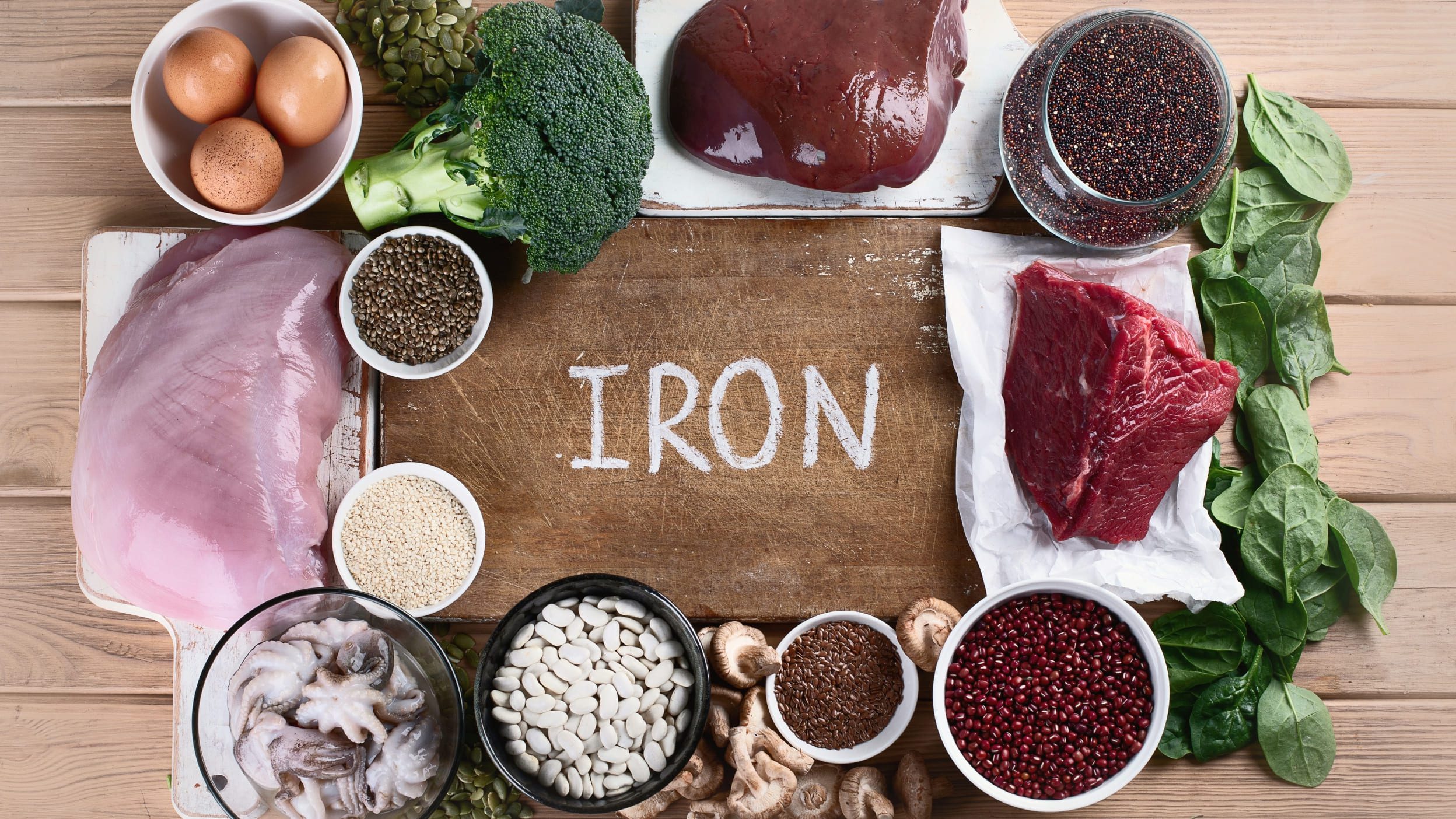
| Lean beef or lamb | Heme iron | Highly absorbable and ideal for rebuilding stores |
| Lentils and chickpeas | Non heme iron | Excellent plant based sources |
| Spinach and kale | Non heme iron | Combine with vitamin C to enhance absorption |
| Pumpkin seeds | Non heme iron | Easy to add to breakfasts or snacks |
| Quinoa | Non heme iron + protein | Great all rounder for energy |
| Oysters | Heme iron + zinc | Powerful support for hormone health |
| Eggs | Moderate iron | Gentle on digestion and versatile |
| Citrus fruits and berries | Vitamin C | Boost iron absorption naturally |
The key here is to mix heme and non heme iron sources. If you’re vegetarian or vegan, pair your plant based sources with vitamin C rich foods to make the most of every bite.
Simple and Delicious Recipes for the Follicular Phase
I’ve always believed that eating well should never feel like punishment. During the follicular phase, I crave meals that are colourful, light, and full of texture. Here are some simple, iron rich recipes I love recommending:
Warm Lentil and Citrus Salad
Cooked lentils, baby spinach, roasted sweet potato, and orange slices. Drizzle with olive oil and lemon juice. It’s refreshing, rich in iron, and packed with vitamin C to help absorption.
Quinoa Power Bowl with Eggs and Greens
Layer cooked quinoa with sautéed kale, a soft boiled egg, and sliced avocado. Add a squeeze of lime. This combination gives you slow burning energy, balanced macros, and nutrients that support hormone balance.
Beef Stir Fry with Broccoli and Ginger
Stir fry lean beef with garlic, fresh ginger, and broccoli. Finish with tamari and sesame seeds. It’s protein rich, iron loaded, and perfect for recovery after a workout.
Oatmeal with Pumpkin Seeds and Berries
Top warm oats with pumpkin seeds, mixed berries, and a drizzle of honey. This simple breakfast supports iron intake while keeping you satisfied and energised through the morning.
These meals are not only nutrient dense but also hormone smart. They give your body what it needs at this stage fuel, colour, and vibrancy.
Supplements vs. Whole Foods: What Works Best?
I get asked this a lot: should you take iron supplements during the follicular phase? The truth is, it depends.
If you’ve been diagnosed with iron deficiency or struggle with chronic fatigue, supplements can help bridge the gap. But it’s important to confirm your iron status with a blood test before adding any supplements. Too much iron can cause digestive issues or oxidative stress.
Personally, I prefer a food first approach. Iron from whole foods is easier for your body to regulate and comes with additional nutrients that support absorption, like vitamin C and copper.
If you do take a supplement, choose ferrous bisglycinate because it’s gentle on the stomach. Pair it with vitamin C for best results, and avoid taking it with coffee, tea, or calcium rich foods since they can block absorption.
How Cycle Syncing Nutrition Affects Energy and Mood
Once I started eating in sync with my hormones, everything changed. I stopped forcing myself to eat the same every day and instead began aligning my meals with how my body felt. During the follicular phase, I naturally gravitate towards lighter foods, smoothies, grain bowls, citrus, and greens because they make me feel alive again.
When you nourish yourself this way, you’re giving your body the exact support it’s asking for. You’ll likely notice:
- Improved morning energy without the afternoon crash
- Sharper focus and creativity
- Fewer cravings because your blood sugar stays stable
- More motivation to move and socialise
Your follicular phase is when your metabolism, hormones, and mood are all on the upswing. Eating to match that rhythm amplifies the effect. It’s not about restriction; it’s about rhythm.
FAQs about Iron-Rich Recipes You’ll Love
What should I eat during the follicular phase to boost energy and iron levels?
Focus on foods like lentils, spinach, lean beef, and quinoa. Combine them with vitamin C sources like citrus, tomatoes, or capsicum to enhance absorption.
Should I take iron supplements during the follicular phase?
If your bloodwork shows low iron, supplements can help. Otherwise, rely on whole foods first. They’re more balanced and less likely to cause digestive discomfort.
What’s the difference between follicular and luteal phase foods?
The follicular phase calls for light, energising meals rich in iron, antioxidants, and lean protein. In contrast, the luteal phase benefits from magnesium and complex carb rich foods that support progesterone and reduce PMS symptoms.
Final thoughts
Every time I enter the follicular phase, I think of it as a clean slate. It’s the perfect time to nourish, reset, and rebuild. My body is ready to rise again, and how I fuel it makes all the difference.
Cycle syncing through nutrition has taught me to listen deeply to what my body needs. After years of trial and error, I’ve learned that the best “diet” isn’t a universal plan, it’s one that respects your natural rhythms. When you replenish iron, balance your hormones, and eat with intention, your body responds with clarity, strength, and vitality.
So next time your period ends and that wave of energy returns, feed it. Choose colourful, iron rich meals that make you feel grounded yet light. You’re not just recovering from your cycle; you’re setting the foundation for the weeks ahead.
You don’t need to chase perfection, just connection. Your body already knows what it needs; it’s time you listen.