Table of Contents
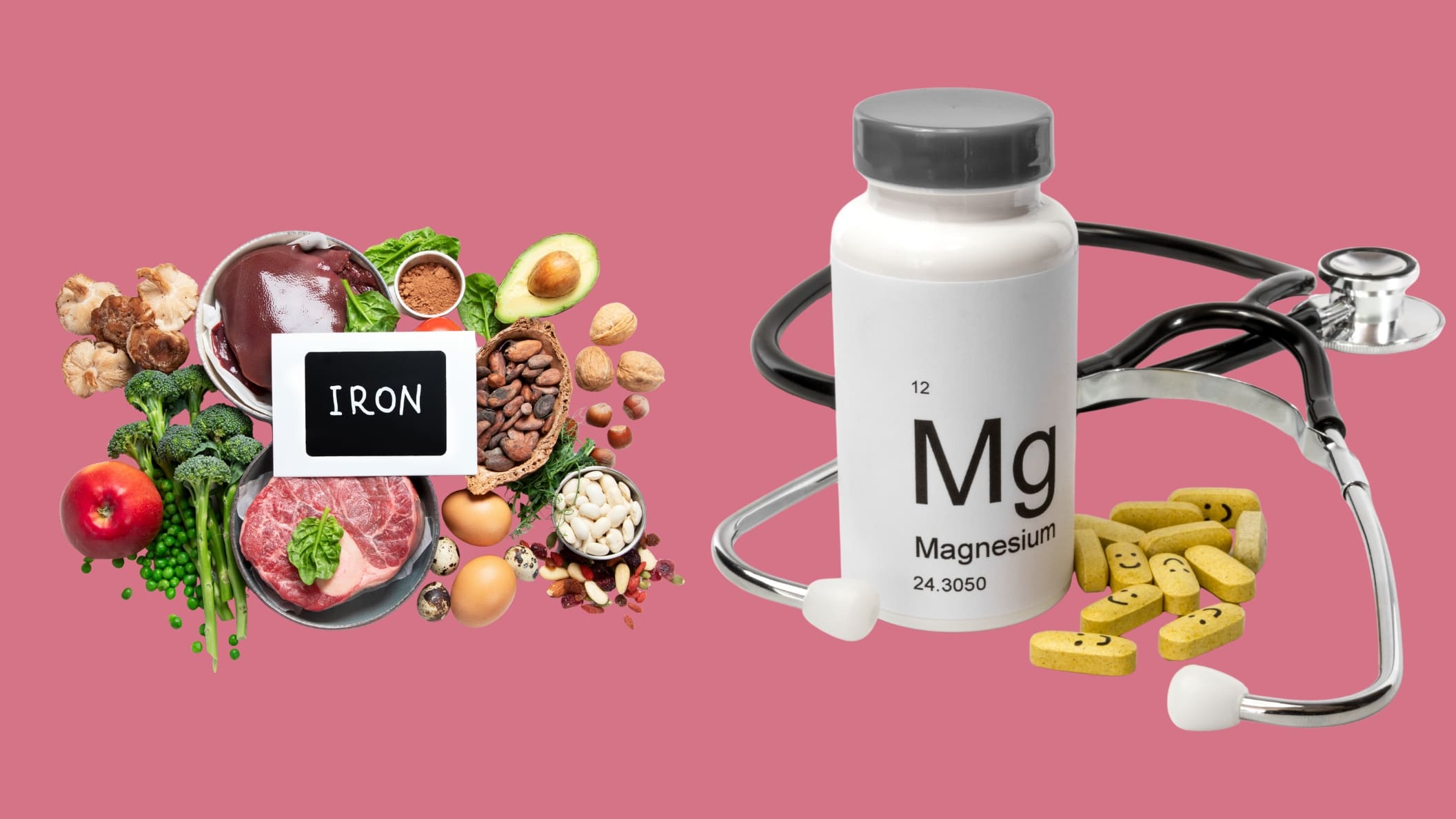
I’ve spent years helping women reconnect with their cycles and how iron and magnesium levels fluctuate through the cycle, and one truth stands out: your energy isn’t random, it’s mineral driven. Iron and magnesium are two unsung heroes that quietly determine how strong, calm, and focused you feel throughout the month.
Iron carries oxygen in your blood, fuels your workouts, and keeps your brain sharp. Without it, even the simplest tasks can feel exhausting. Magnesium, on the other hand, is the “relaxation mineral,” easing cramps, calming nerves, and supporting hundreds of biochemical reactions that keep your hormones in harmony.
Most women don’t realise how these two minerals fluctuate naturally through the menstrual cycle and how that ebb and flow can make the difference between thriving or dragging through the month. I learned this firsthand while working with clients who felt constantly tired, bloated, or moody not because they were doing anything wrong, but because their nutrition didn’t match their body’s natural rhythm. Once they started supporting their iron and magnesium needs by phase, their energy and mood became noticeably steadier.
How These Minerals Shift Across the Menstrual Phases
Let’s break it down simply. Your menstrual cycle isn’t one static state; it’s a series of rhythmic shifts that affect everything from your mood to your metabolism. Iron and magnesium follow suit, rising and falling in harmony with your hormones.
| Phase | Hormone Focus | Iron Trend |
| Menstrual (Days 1–5) | Low estrogen & progesterone | Iron drops due to blood loss |
| Follicular (Days 6–13) | Rising estrogen | Rebuilding stores |
| Ovulatory (Days 14–17) | Peak estrogen | Stable |
| Luteal (Days 18–28) | Rising progesterone | Stable |
Magnesium Trend
- Slightly low
- Improving balance
- Balanced
- Gradual depletion
When I started mapping my own mineral trends alongside my cycle, things clicked. The days I felt foggy or unmotivated often lined up with my lowest iron levels, and the days I felt tense or crampy coincided with a magnesium dip. Understanding this rhythm helps you tailor your nutrition and even your supplements to support your hormones instead of fighting them.
Iron Levels During Menstruation: Why Fatigue Hits Hard
During your period, iron levels naturally decline because you’re losing blood. It’s not just about quantity, it’s about oxygen transport. When iron dips, less oxygen reaches your muscles and brain, which explains that heavy, sluggish feeling many of us get during menstruation.
In my coaching work, I often see women assume their low energy is “just PMS.” But when we test ferritin (iron storage), the numbers tell the story they’re often below the optimal range, even if not clinically anaemic. What’s tricky is that even small drops can make a big difference in how you feel.
What helps:
- Prioritise iron-rich foods like lean red meat, lentils, and spinach.
- Pair them with vitamin C sources (like citrus or capsicum) to enhance absorption.
- Avoid coffee or tea within an hour of eating iron-dense meals as they inhibit absorption.
A simple habit like adding a handful of spinach and lemon to your morning omelette can make a noticeable difference over time. I’ve seen clients go from dragging themselves out of bed to feeling genuinely energetic again simply by rebuilding their iron stores gradually.
If you tend to experience heavy periods, it’s worth paying even closer attention. Every month, your body is shedding not just blood but vital minerals, and replacing them consistently can prevent the kind of month-to-month fatigue that often sneaks up unnoticed.
Magnesium’s Role in PMS, Cramping, and Mood Balance
Magnesium is the quiet stabiliser of your cycle. Low magnesium levels often appear during the luteal phase, the week or so before your period when progesterone peaks and stress tends to climb.
This is when many women experience:
- Cramps and bloating
- Irritability or anxiety
- Insomnia or restless sleep
- Chocolate cravings (yes, that’s your body asking for magnesium!)
When I first connected the dots between my own pre-period chocolate cravings and magnesium needs, it was like a light bulb moment. My body wasn’t being “indulgent”; it was communicating.
In my experience, women who consistently include magnesium-rich foods like avocado, pumpkin seeds, dark chocolate, and leafy greens report fewer PMS symptoms and steadier moods. Even small daily doses make a big difference.
If you’ve ever taken a warm magnesium bath before bed, you already know how calming it feels. That’s your body exhaling relief. Magnesium also supports serotonin production, the “feel-good” neurotransmitter, which can explain why women with sufficient magnesium levels often describe feeling emotionally balanced even during their luteal phase.
For those who struggle with tension headaches, jaw clenching, or restless legs before their period, magnesium can be a game-changer. It literally helps your muscles and nervous system relax exactly what your body needs before your next bleed.
Foods to Support Iron and Magnesium Balance in Each Phase
Cycle syncing nutrition doesn’t have to be complicated. Think of it as fine-tuning your meals to what your body naturally needs more of each week. A few small tweaks across the month can transform your overall energy, focus, and emotional stability.
| Cycle Phase | Iron Sources | Magnesium Sources / Meal Ideas |
| Menstrual | Beef, lentils, kale | Bananas, almonds Warm lentil soup with spinach and pumpkin seeds |
| Follicular | Chicken, beans | Oats, chia seeds Berry smoothie with spinach and chia |
| Ovulatory | Salmon, quinoa | Leafy greens, avocado Quinoa salad with avocado and lemon dressing |
| Luteal | Eggs, turkey | Dark chocolate, nuts Turkey bowl with brown rice and steamed broccoli |
If you’re new to cycle syncing, start small. You don’t need to overhaul your entire diet. Just being mindful of adding magnesium during your luteal phase and prioritising iron post-period can shift your experience dramatically.
When to Consider Supplements and When Not To
I’m cautious about supplements. They’re powerful, but not always necessary. Whole foods should always be your foundation. Supplements become useful when diet alone can’t meet your body’s demands, for example, if you have heavy periods, low ferritin levels, or ongoing stress that depletes magnesium faster.
If you’ve had bloodwork done and it shows low ferritin or magnesium, supplementation can help but only under professional guidance. Some women ask if it’s safe to take magnesium and iron together. The short answer: yes, but space them apart (morning for iron, evening for magnesium) to avoid absorption conflicts.
Also note: too much iron can cause constipation, while too much magnesium can lead to loose stools. Start low, observe your body, and work with a practitioner who understands hormonal nutrition.
In my own practice, I’ve seen women try to “fix” fatigue with supplements alone. The truth is, supplements work best when layered on top of nutrient-rich meals, proper hydration, and rest. Your body needs the full orchestra, not just a single instrument.
Practical Tips for Supporting Mineral Balance
- Track your symptoms and energy. Patterns often reveal deficiencies before tests do.
- Cook in a cast iron pan. It adds trace amounts of iron naturally.
- Hydrate with electrolytes. Magnesium and sodium losses rise during exercise and PMS.
- Eat intuitively by phase. Your cravings are often intelligent signals, not weaknesses.
- Prioritise rest in the luteal and menstrual phases. Recovery supports mineral replenishment.
One of my favourite daily rituals is a magnesium-rich bedtime drink made with warm almond milk, a sprinkle of cacao powder, and cinnamon. It’s relaxing, hormone-supportive, and doubles as a gentle self-care ritual.
If you’re someone who exercises regularly or sweats heavily, your magnesium needs might be higher. Electrolyte-rich drinks or trace mineral drops can be especially useful around ovulation and premenstrual phases, when dehydration and cramps tend to flare.
FAQs
1. What happens to iron levels during your menstrual cycle?
Iron levels drop during menstruation due to blood loss. Replenishing with iron-rich foods or supplements (if prescribed) helps prevent fatigue and brain fog. It’s a good idea to track how you feel in the days after your period. If you’re still unusually tired, you may need to focus on iron intake longer than you think.
2. How does magnesium help with PMS?
Magnesium supports muscle relaxation, reduces inflammation, and improves serotonin production, all of which can ease cramps, anxiety, and mood swings before your period. It’s also helpful for sleep quality, especially if you struggle with restlessness or early waking during your luteal phase.
3. Can I take iron and magnesium together?
You can, but it’s best to take them at different times of day to optimise absorption. I usually recommend taking iron with breakfast and magnesium in the evening. Always consult your GP or nutritionist for personalised advice.
4. How long does it take to notice improvements?
Most women start noticing steadier energy and moods within one or two cycles once they start aligning nutrition with their hormonal phases. It’s gradual, but consistent progress adds up.
Final Thoughts
When I started paying attention to my own iron and magnesium rhythms, I realised how much my “random” low energy days actually followed a pattern. The shift wasn’t overnight, it was gradual, but I began feeling more consistent, less reactive, and more attuned to my body’s cues.
Cycle syncing nutrition isn’t about perfection; it’s about partnership. When you learn to nourish your body based on its natural phases, your hormones stop feeling like enemies and start feeling like allies.
If you take one thing from this, let it be this: your body communicates constantly. Iron and magnesium are just part of the conversation. Listen closely, feed it well, and you’ll be amazed at how much more balanced life feels.