Table of Contents
What Is a Cycle Syncing Calculator?
When I first discovered cycle syncing, it felt like uncovering a hidden manual for my body. For years, I thought my fluctuating motivation and moods were just personality quirks or lack of discipline. Some weeks, I’d wake up unstoppable, hitting every workout, crossing off every task and then suddenly, I’d feel exhausted and foggy, wondering what went wrong. The truth? It wasn’t an inconsistency. It was biology.
A cycle syncing calculator changed that narrative completely. It’s a tool that helps you identify which phase of your menstrual cycle you’re currently in menstrual, follicular, ovulatory, or luteal so you can make smarter choices about how to move, eat, and work.Think of it as your body’s built in navigation system. Once I started tracking, I stopped fighting my natural rhythm. My productivity, energy, and emotional balance all improved because I was finally working with my hormones, not against them.
Why Tracking Your Phases Changes Everything
The biggest misconception I had before learning about cycle syncing was that my body was unpredictable. In reality, it was perfectly predictable. I just hadn’t been paying attention. Once I began tracking my cycle, the ups and downs that once felt random started to make sense. I realised that my energy, focus, and mood were part of a repeating cycle, not a rollercoaster I couldn’t control.
By tracking my cycle, I noticed how my PMS symptoms eased, my workouts felt more aligned, and I stopped pushing myself to do high intensity tasks when my body needed rest. The clarity it gave me was life changing. Instead of criticising myself for feeling low energy or emotional, I started preparing for it. Planning creative projects during my follicular phase and resting more in my luteal phase helped me find balance and ultimately, self compassion. That’s the real power of cycle syncing.
Here’s what I noticed firsthand:
- My workouts felt smoother and more intuitive.
- PMS symptoms weren’t dictating my week anymore.
- I could predict my creativity peaks and plan big projects around them.
Cycle syncing isn’t about perfection. It’s about finally understanding the natural rhythm behind your moods, focus, and energy. Once you start observing patterns, your life becomes more predictable and that’s incredibly empowering.
Understanding the Menstrual Cycle Phases
Before using a cycle syncing calculator, it helps to understand what’s actually happening in your body. Your hormones fluctuate across four distinct phases, each influencing how you feel and function.
| Phase | Hormones | How You Typically Feel |
| Menstrual (Days 1–5) | Low estrogen & progesterone | Tired, introspective |
| Follicular (Days 6–13) | Rising estrogen | Energised, optimistic |
| Ovulatory (Days 14–17) | Peak estrogen | Social, confident |
| Luteal (Days 18–28) | High progesterone | Calm or irritable |
Ideal Focus
- Rest, reflection, journaling
- Planning, creativity
- Networking, communication
- Organisation, completion
These are not rigid rules. Your body might shift based on stress, sleep, or lifestyle and that’s normal. The goal is awareness, not perfection.
When I first tracked my phases, I realised that my creative bursts weren’t random. They always landed in my follicular phase. Once I understood that, I stopped forcing productivity during my menstrual days and started honouring rest and everything began to flow better.
How to Track Your Cycle Naturally
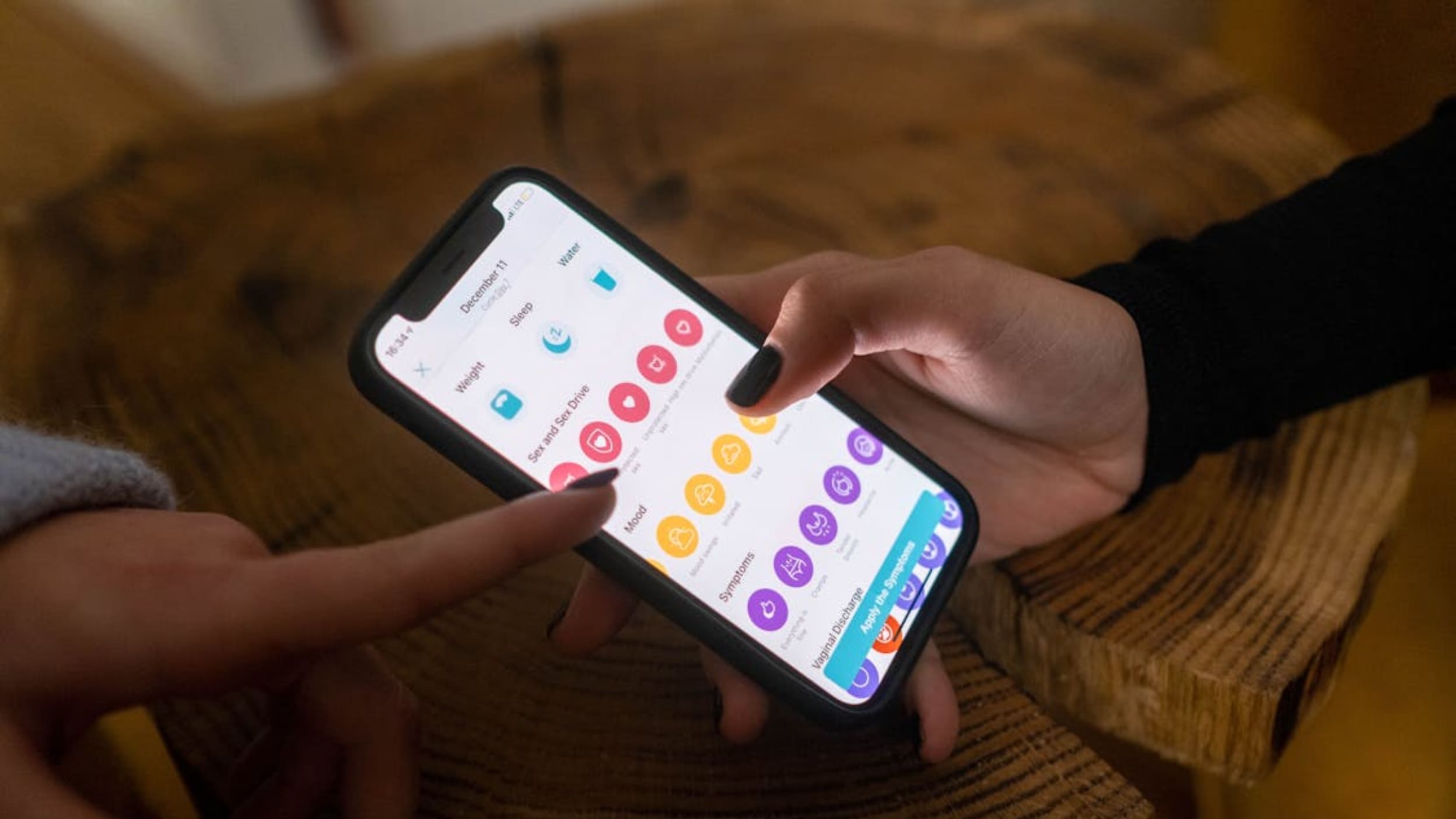
You don’t need fancy tools to start tracking your menstrual cycle phases. I began with nothing more than a pen and paper. But as my curiosity grew, I turned to digital tools that made the process seamless.
Here’s what I’ve personally found effective:
- Apps: Tools like Clue, Flo, and Natural Cycles give visual charts and reminders.
- Cycle Journals: Jot down how your energy, focus, and cravings change daily.
- Wearables: Oura Ring or Fitbit can help monitor temperature and sleep patterns.
If you’re more of a minimalist, even noting “Day 1” in your phone calendar can help you estimate which phase you’re in. Over time, you’ll begin to connect physical and emotional patterns with precision.
Using a Cycle Syncing Calculator Step by Step
Once you’ve got the basics, it’s time to use the calculator. Here’s how I walk my clients through it :
- Enter Your Period Start Date
This becomes your Day 1 the baseline for every cycle calculation. - Input Average Cycle Length
Most tools assume around 28 days, but it’s fine if yours is longer or shorter. - Review Your Phase Insights
The calculator breaks down your four phases, explaining what’s happening hormonally and emotionally. - Apply Lifestyle Adjustments
This is where the real transformation happens.
Luteal Phase: Slow down, eat magnesium rich foods like spinach or almonds, and choose yoga over HIIT.- Follicular Phase: Eat light, fresh meals and take advantage of creative surges for planning.
When I started doing this, it felt like unlocking a secret manual to my body. Suddenly, I knew when to push and when to rest all by aligning my lifestyle with my cycle.
Real World Lessons from My Experience
I used to think my “slump days” were failures. Now I see them as data points. Once I synced my workouts, meals, and work schedule with my phases, my results improved dramatically.
Here’s what stood out:
- Ovulatory phase : My energy and confidence peaked perfect for presentations or social events.
- Luteal Phase : I learned to slow down and complete tasks rather than start new ones.
- Follicular Phase: I was brimming with ideas and creativity on my most productive planning days.
One of my coaching clients, a marketing executive, used to crash every few weeks from burnout. After applying this method, her energy stayed steady, and her mood improved. It wasn’t magic, it was mindful timing.
Integrating Cycle Syncing Into Daily Life
Once you know your current phase, it’s about making micro shifts that add up. Here’s what I recommend:
Workouts:
- Menstrual: Gentle yoga or stretching.
- Follicular: Cardio and strength training.
- Ovulatory: High intensity, social workouts.
- Luteal: Walking or Pilates.
Nutrition:
- Menstrual: Iron rich soups and stews.
- Follicular: Fresh fruits, lean proteins, leafy greens.
- Ovulatory: Fiber and zinc rich veggies.
- Luteal: Complex carbs and magnesium dense meals.
Productivity:
- Plan creative work post period, focus meetings during ovulation, and organise tasks before your next cycle begins.
Self Care:
- Book massages or downtime during menstruation, and social catch ups mid cycle.
- Cycle syncing isn’t about control, it’s about cooperation.
- When you live in tune with your biology, you stop fighting your natural rhythm and start thriving within it.
FAQs About Cycle Syncing Calculator
1. How do I know which phase I’m in without an app?
Count from Day 1 of your period. The first two weeks are typically follicular and ovulatory; the last two are luteal.
2. What’s the best menstrual cycle tracking app for women?
It depends on your goals. Clue gives hormone insights, Flo excels at symptom tracking, and Natural Cycles is ideal for fertility awareness.
3. How long is each phase of the menstrual cycle?
On average, each phase lasts about 7–14 days. Stress, sleep, and diet can shift this. That’s where a calculator helps refine your rhythm.
Final thoughts
Cycle syncing taught me one of the most grounding lessons of my life: my body isn’t unpredictable, it’s rhythmic. Once I started tracking my menstrual cycle phases with a cycle syncing calculator, I gained insight into when to rest, create, or connect.
If you’re new to this, don’t overthink it. Start by tracking your period, then notice patterns in your mood, cravings, and focus. Over time, these small observations add up to profound self awareness.
This practice isn’t about control; it’s about connection. Your body already knows the way the calculator just helps you listen.