Table of Contents
I’ll be honest, perimenopause hit me like a plot twist I didn’t see coming. One month my cycles were regular, the next they were all over the place. Fatigue, mood swings, stubborn weight gain, it felt like my hormones were rewriting the rules. That’s when I turned to cycle syncing in perimenopause not as a trend, but as a lifeline.
Through trial, error, and a lot of late night research (plus helping clients through similar chaos), I discovered what actually works and what doesn’t.
What Is Cycle Syncing in Perimenopause?
Cycle syncing means aligning your lifestyle, nutrition, workouts, and productivity with your hormonal patterns. For women in perimenopause, it’s less about following a predictable 28 day cycle and more about recognising changing rhythms. As estrogen and progesterone begin to fluctuate, your energy, mood, and focus may feel inconsistent but tracking these patterns can help restore balance and predictability.
In my experience, syncing during your 40s isn’t about perfection; it’s about awareness. You might feel motivated and social during high estrogen days, then crave solitude and rest as hormones dip. When you honour these shifts, you reduce burnout and support your body’s natural transitions.
Practically, this could mean scheduling strength training or brainstorming sessions when energy peaks, and leaning into yoga, journaling, or rest when it wanes. Nutrition also plays a role focused on protein, omega 3s, and magnesium to stabilise hormones and mood.
Cycle syncing in perimenopause is ultimately an act of self-compassion. Instead of fighting unpredictability, you learn to flow with it, giving your body what it needs each day. By tracking energy, emotions, and sleep rather than just bleeding days, you stay connected to your body’s wisdom and move through perimenopause with steadiness and ease.
Understanding the Four Phases of the Menstrual Cycle
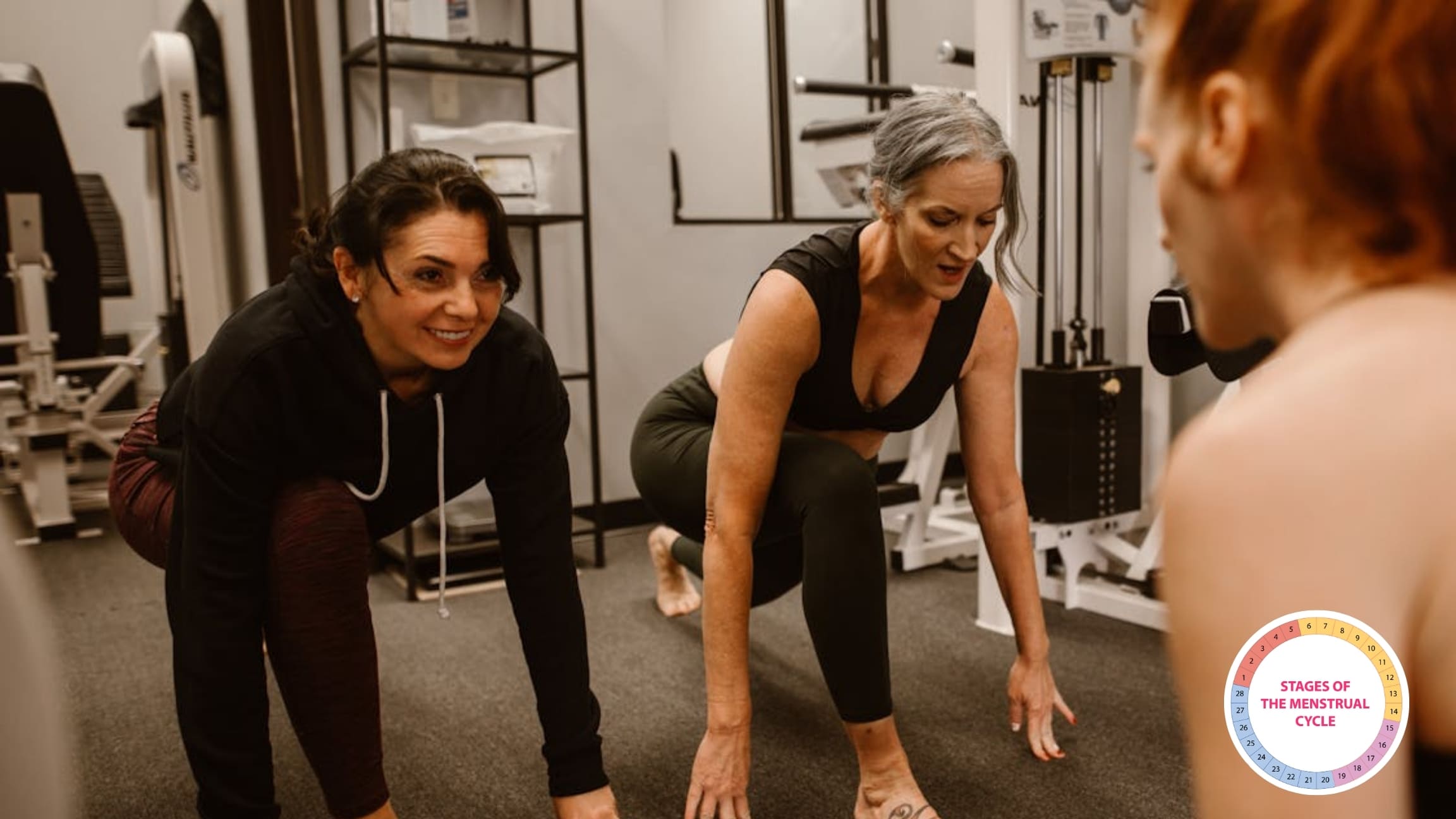
Let’s start with the basics because perimenopause doesn’t erase your phases; it just blurs the lines between them.
| Phase | Key Hormones | What You’ll Notice |
| Menstrual (Days 1–5) | Low estrogen & progesterone | Fatigue, introspection |
| Follicular (Days 6–13) | Rising estrogen | Clarity, motivation |
| Ovulatory (Days 14–17) | Peak estrogen | Confidence, energy |
| Luteal (Days 18–28) | Progesterone rises | PMS, slower pace |
What to Focus On
- Rest, warm foods, reflection
- New projects, light workouts
- Networking, HIIT, social events
- Organisation, comfort, gentle exercise
Perimenopause tends to shorten or lengthen these phases unpredictably. Tracking helps you spot your body’s new rhythm, not the one you used to have, but the one you have now.
How Hormones Shift During Perimenopause
Here’s the tricky part : estrogen dominance and progesterone dips. During perimenopause, your ovaries don’t release eggs as consistently, so progesterone production drops. Estrogen, however, can spike erratically leading to estrogen dominance symptoms like bloating, irritability, and weight gain around the midsection.
When I first recognised this in my own body, I stopped blaming myself for being “inconsistent.” It wasn’t lack of willpower it was biology. Supporting your liver, gut, and adrenal function becomes essential, because these systems metabolise excess hormones.
Practical tip: focus on foods that support estrogen metabolism like cruciferous vegetables, flaxseed, and fiber-rich grains. These help your body clear what it doesn’t need making nutrition a key tool for hormone balance
Supplements and Vitamins That Actually Help
There’s no one size fits all pill for perimenopause but after years of testing what works, these are my non negotiables (always check with your doctor first):
- Magnesium glycinate : for sleep, mood, and muscle relaxation
- B – complex vitamins : for hormone metabolism and energy
- Omega 3s : to reduce inflammation and balance mood
- Vitamin D3 + K2 : supports hormone balance and bone health
- Adaptogens like ashwagandha or maca for stress and adrenal support
If you struggle with estrogen dominance, consider calcium D glucarate or DIM (diindolylmethane). They help your liver process excess estrogen safely. When choosing the best supplements for perimenopause, prioritise transparency on fillers, testing for purity, and ideally those recommended by a practitioner.
Foods and Workouts for Each Phase
Syncing food and fitness with your hormonal changes makes a bigger difference than you think. Here’s a quick cheat sheet I use for clients:
| Phase | Focus Foods | Ideal Workouts |
| Menstrual | Soups, iron rich veggies, warm teas | Rest, stretching, walks |
| Follicular | Leafy greens, lean proteins, berries | Light cardio, Pilates |
| Ovulatory | High fiber veggies, zinc, hydration | HIIT, dance, social workouts |
| Luteal | Complex carbs, magnesium, root veggies | Yoga, low impact training |
Perimenopause often makes recovery slower. Honour that. You don’t have to “push through” every workout. Sometimes syncing means doing less but smarter.
How to Track Your Cycle (Even If It’s Irregular)
Tracking your cycle during perimenopause isn’t about rigid rules, it’s about understanding your body’s natural rhythm as it changes. Even when your period becomes unpredictable, you can still tune into hormonal patterns through consistent observation. The goal is not perfection but awareness learning your body’s cues so you can support it more effectively.
Here’s how to track your cycle, even if it’s irregular::
- Symptom tracking apps (like Clue or MyFlo): Log mood, sleep, and physical changes to identify patterns over time.
- Cycle journals: Note your daily energy, cravings, and emotions to recognise recurring trends.
- Basal body temperature (BBT): Take your temperature each morning to detect ovulation or hormonal shifts.
- Cervical mucus cues: Texture and consistency changes can still indicate fertile windows in your 40s.
If you notice energy peaks every 5–6 weeks instead of 4, that’s your new normal.
Common Mistakes and Myths About Cycle Syncing
Many women in perimenopause approach cycle syncing with old expectations but this stage requires flexibility, not perfection. Your hormones are shifting, and your approach should evolve too. Here are a few common mistakes I see:
- Expecting a fixed schedule: Perimenopause is fluid. Syncing is about awareness, not control.
- Overloading on supplements: More isn’t always better. Choose only what supports your main symptoms.
- Ignoring lifestyle basics: Quality sleep, hydration, and stress management balance hormones more effectively than quick fixes.
- Comparing yourself to your 30 year old self: You’re not broken, your body’s simply evolving.
I once had a client who was frustrated that her 10K runs suddenly felt harder. We replaced half her HIIT sessions with yoga and slow strength training. Two months later, her sleep, energy, and weight stabilised proof that syncing in perimenopause is about adapting, not fighting back.
Faqs about Cycle Syncing in Perimenopause
1. Can you still cycle sync if your periods are irregular?
Yes. Focus on patterns in mood, energy, and cravings instead of calendar days. Track your body cues, not just your bleed days.
2. What are the best supplements for hormone balance during perimenopause?
Magnesium, omega 3s, B complex, and adaptogens like ashwagandha are excellent starting points. Always confirm with a healthcare professional before starting new supplements.
3. How long does it take to see results from cycle syncing?
Most women notice improvements in energy and mood within two to three months of consistent tracking and nutrition alignment.
Final thoughts
Perimenopause taught me something I wish I’d known years earlier: your hormones aren’t your enemy. They’re your body’s feedback system.
Cycle syncing during this phase isn’t about regaining control, it’s about building a new kind of trust. When you align your routines with your shifting biology, you stop resisting change and start flowing with it.
It’s not perfect, and some days it still feels messy. But there’s something profoundly empowering about knowing your body’s language and learning how to respond with compassion instead of frustration.