Table of Contents
What are vaginal probiotics?, if someone had told me years ago that probiotics could change how i feel in my own body, i’d have rolled my eyes. I already ate yoghurt, right? But what i didn’t understand back then was that the vaginal microbiome, yes, it has one, needs its own kind of probiotic support.
Vaginal probiotics are specially formulated supplements designed to maintain a healthy pH balance and support beneficial bacteria, particularly Lactobacillus strains. They work much like gut probiotics but target the intimate flora for women, helping prevent issues like thrush, odour, or irritation before they even start.
In my experience, most women don’t realise that the same stress, diet, and hormonal shifts that affect mood also disrupt the vaginal ecosystem. When cortisol rises or estrogen dips, the microbiome can shift overnight. It’s why you might feel balanced one week and uncomfortable the next without any clear reason. As a women’s health practitioner, I often tell clients that vaginal health is like a mirror that reflects what’s happening inside. When your hormones, stress levels, and gut health are in sync, your vaginal microbiome usually follows. When they’re not, you’ll feel it. Probiotics are one of the simplest yet most effective ways to support that harmony from within.
Why I Started Using Them (and What I Learned)
When I first started experimenting with probiotics, I didn’t expect much. I was mostly curious after seeing Optibac for Women pop up in nutrition circles and women’s health forums. After a few weeks, I noticed subtle yet powerful shifts: less dryness, fewer flare-ups after my luteal phase, and an overall sense of balance that felt normal again.
One of my clients, a fitness instructor, had recurrent yeast infections every time her cycle approached. She added Optibac probiotics for women to her daily routine, nothing extreme, just one capsule with breakfast, and within two cycles she stopped needing over-the-counter treatments entirely. That’s when I knew these weren’t just another wellness trend.
What stood out most to me was how restoring balance in such a small area could influence so many aspects of well-being, energy, mood, and even confidence. I realised that when something as intimate as vaginal health is off, it quietly affects how we move through the world. For me, probiotics became less about “fixing” a symptom and more about tuning into my body’s feedback loop. I began recommending them to clients not as a magic pill, but as part of a larger ecosystem of care that includes hydration, mindful nutrition, and stress management. Over time, the results spoke for themselves: calmer cycles, fewer flare-ups, and women feeling more at home in their bodies.
How Vaginal Probiotics Work in the Female Body
Let’s break this down simply. The vaginal microbiome thrives when dominated by Lactobacillus species, which produce lactic acid to maintain an acidic pH (around 3.8–4.5). This acidity keeps pathogens in check.
When hormones fluctuate, say estrogen dips before your period or after antibiotics, the environment becomes more alkaline, creating an opportunity for yeast and bad bacteria to multiply.
That’s where probiotics for thrush or balance step in. By reintroducing beneficial strains, they help restore that natural acidity and keep everything in harmony.
In short, vaginal probiotics don’t fix your hormones; they support your body so it can balance itself.
Optibac for Women vs Other Brands
| Feature | Optibac for Women | Bettervits Probiotic |
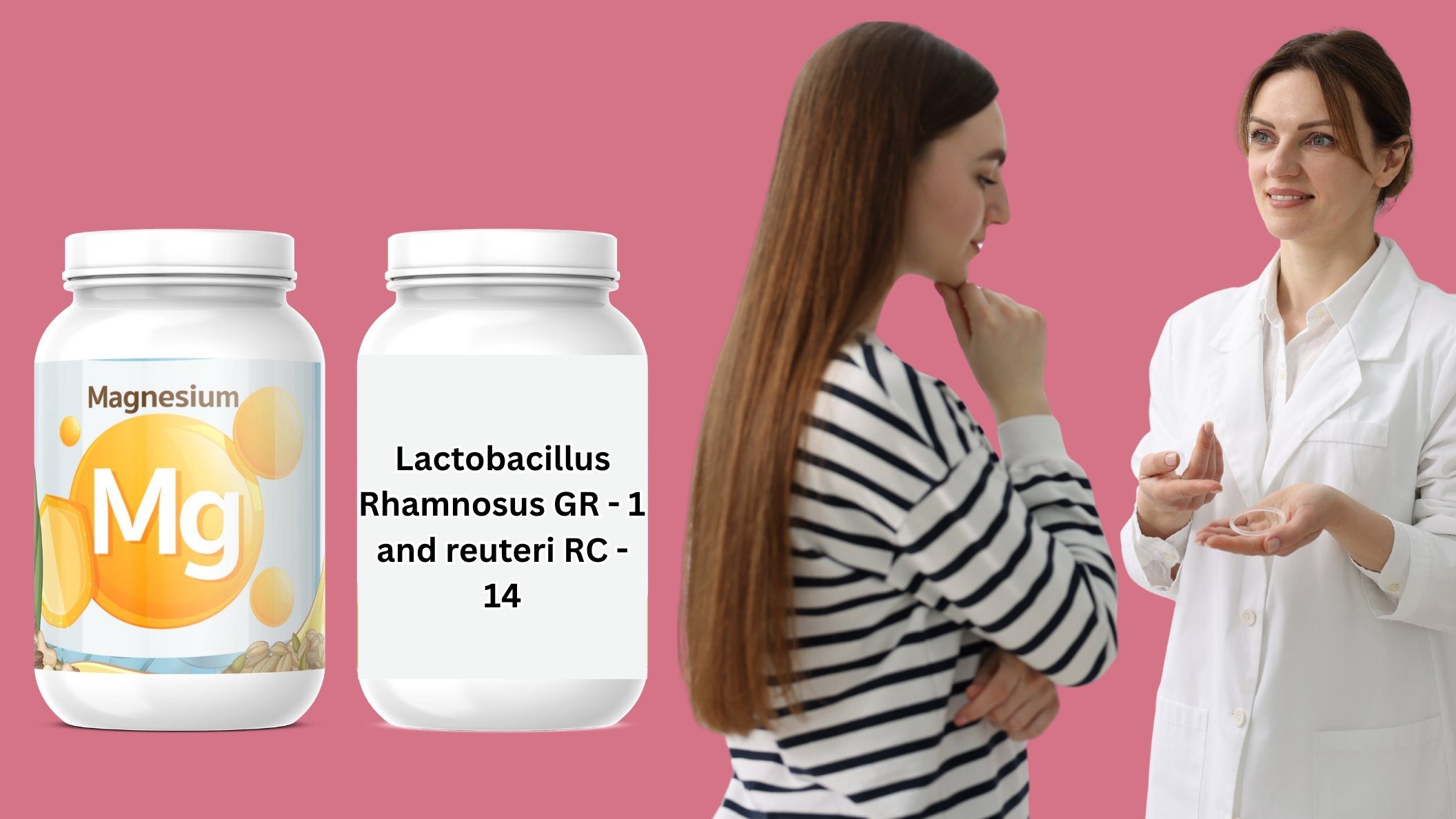
| Strains | Lactobacillus rhamnosus GR-1 & reuteri RC-14 | Similar strains + Bifidobacterium |
| Shelf Life | No refrigeration needed | Refrigerated |
| Clinical Backing | Strong PubMed-indexed studies | Some evidence |
| Price Point | Moderate | Affordable |
Generic Pharmacy Brand
- Varies widely
- Varies
- Limited
- Cheap but inconsistent
The “for women Optibac” formula is backed by human trials showing improved pH and reduced recurrence of infections. I also appreciate its transparency, no hidden additives or excessive marketing fluff.
That said, Bettervits Probiotic is a solid option for those on a budget. It’s widely available online and has good reviews for digestive and intimate support.
When to Consider Probiotics for Thrush or Imbalance
If you experience any of these regularly:
- Itching or discharge that flares around your menstrual cycle
- Sensitivity after antibiotics or intercourse
- Frequent bouts of thrush
Then probiotics may be worth trying.
I usually recommend women begin supplementation after their period ends, during the follicular phase, a time when estrogen starts rising and the vaginal lining rebuilds. This phase supports better colonisation of beneficial bacteria.
Tracking your menstrual cycle phases can help you notice patterns: does discomfort appear mid cycle (ovulation) or pre menstrually? Aligning probiotics with these rhythms can make a surprising difference.
The Link Between Vaginal Health and the Menstrual Cycle
Many forget how interconnected the phases of the menstrual cycle and their hormones are with vaginal balance. Estrogen boosts Lactobacilli growth, while progesterone and stress can suppress it.
| Cycle Phase | Hormones | Impact on Vaginal Health |
| Menstrual | Low estrogen & progesterone | Higher pH, prone to dryness |
| Follicular | Rising estrogen | Flora replenishment begins |
| Ovulatory | Peak estrogen | Natural lubrication and resilience |
| Luteal | Rising progesterone | Possible yeast overgrowth if imbalanced |
Supporting your flora through foods to eat during each phase of the menstrual cycle, such as fermented foods, prebiotic fibre, and omega 3s, keeps both your gut and vaginal microbiomes thriving.
Supporting Your Intimate Flora Through Nutrition
You can’t supplement your way out of imbalance alone. In my experience, probiotics work best when paired with:
- Hydration: Aim for 2–3 L of water daily to flush toxins.
- Prebiotic foods: Garlic, onions, bananas, and asparagus feed beneficial bacteria.
- Fermented options: Kefir, sauerkraut, and miso strengthen microbial diversity.
- Magnesium and B vitamins : Support hormonal regulation across female cycle phases.
I also guide clients to balance hormones naturally during the menstrual cycle by minimising alcohol and refined sugars, as both can fuel yeast.
A Deeper Look: What I’ve Learned as a Practitioner
Over the years, working with hundreds of women from athletes to executives, I’ve noticed a recurring pattern. Vaginal imbalance often reflects overall dysregulation. When stress spikes, cortisol rises, and estrogen metabolism slows, your microbiome pays the price.
I’ve seen clients who pushed through burnout only to develop chronic UTIs, yeast infections, or mysterious irritation that doctors couldn’t pinpoint. The missing link wasn’t another prescription, it was restoring microbial communication between the gut, vagina, and brain.
This is why I always tell women: your microbiome is hormonal, emotional, and nutritional. If one piece is off, the others compensate until they can’t anymore.
Through lab testing and symptom tracking, I’ve seen remarkable results from combining probiotics with:
- Cycle-syncing nutrition: adjusting carbs, fats, and micronutrients by phase.
- Stress reduction techniques : yoga nidra, breathwork, and magnesium glycinate supplementation.
- Gentle detox support: cruciferous vegetables like broccoli sprouts for estrogen clearance.
Within three months, most women report fewer infections, steadier moods, and better lubrication. What’s more powerful is the mindset shift from managing symptoms to understanding their body’s language.
My Clients’ Common Questions Answered
1. Can I use vaginal probiotics and eat probiotic foods together?
Absolutely. Oral and vaginal probiotics complement each other. Think of it as supporting the ecosystem from both directions.
2. Do probiotics help with PMS or mood changes?
Indirectly, yes. A balanced microbiome influences menstrual cycle hormones and mood by supporting estrogen metabolism and reducing inflammation.
3. How long until I see results?
Most notice improvements within 2–3 weeks, but for deep hormonal support, aim for at least three full cycle phases, roughly 90 days.
Final Thoughts
When I look back on my journey, I realise vaginal probiotics didn’t just improve my physical comfort, they reconnected me with my body’s signals.
There’s a quiet confidence that comes from knowing you’re in sync, not just reacting to flare-ups or mood swings. Whether you choose Optibac for Women, Bettervits, or another trusted brand, the key is consistency and awareness.
Your body already knows how to heal, it just needs the right environment to do so.
So start simple track your cycle, support your flora, and give your body what it’s been asking for all along.