Table of Contents
I still remember the first time i realised my energy dips weren’t just “bad workout days” they were hormonal. As an athlete and performance coach, i used to treat those low-energy weeks as failures.i’d double down also tracking your cycle for athletic gains add caffeine, push harder, and then wonder why my recovery tanked.
It took years and a fair bit of stubbornness before I discovered what was really happening. My body wasn’t inconsistent; it was cyclical. Once I began tracking my cycle and tailoring my training to it, I unlocked a level of energy, focus, and strength I’d never experienced before.
This isn’t another “listen to your body” pep talk. It’s about data, physiology, and self-awareness. It’s about understanding your hormonal map and using it strategically to maximise athletic performance not in theory, but in real life.
Understanding the Link Between Your Cycle and Performance
When I began coaching women seriously, I noticed something curious: their progress often plateaued every few weeks not because they lacked motivation, but because their bodies were in different hormonal states.
Estrogen and progesterone aren’t just reproductive hormones; they’re metabolic powerhouses. Estrogen helps with oxygen utilisation, joint elasticity, and fat metabolism meaning you recover faster and burn energy efficiently. Progesterone, on the other hand, raises body temperature and affects hydration, making high Intensity sessions tougher.
Once I started matching training to hormonal shifts, everything changed. Clients reported steadier energy, reduced burnout, and even improved mood stability. It wasn’t magic, it was biology finally working in our favour.
I often tell athletes: once you understand your hormonal rhythm, you stop reacting and start anticipating. That’s where the real power lies.
Why Tracking Matters More Than You Think
Before I tracked my cycle, my training results felt like roulette. Some days I’d feel unstoppable others, I couldn’t finish a warm up. It was frustrating.
Cycle tracking changed that. It gave me context. Suddenly, I could see the patterns behind my energy and motivation. The fog lifted.
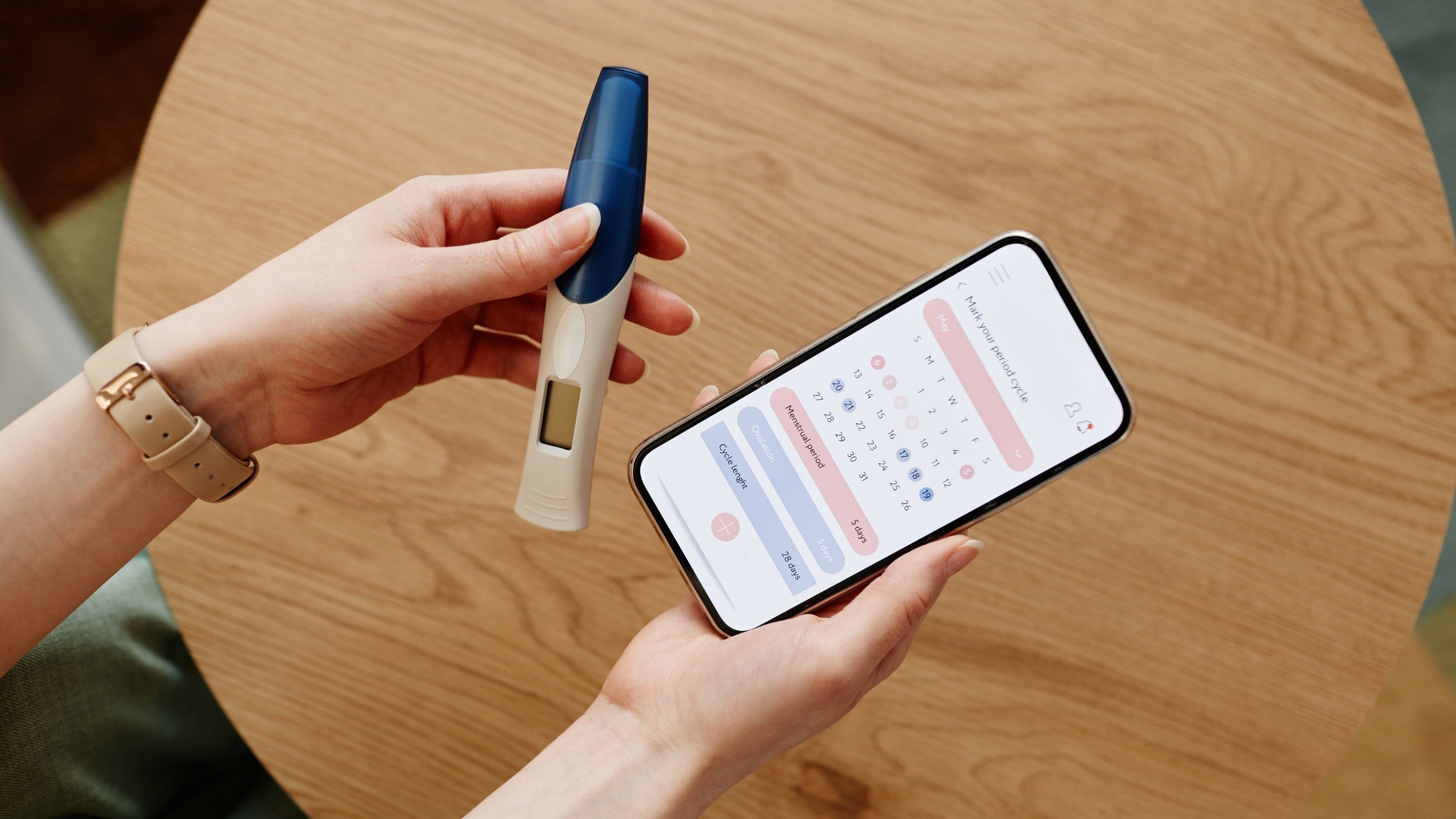
When you track your menstrual cycle, you’re not just logging dates, you’re decoding your body’s performance blueprint. Here’s what consistent tracking helps you do:
- Prevent burnout by adjusting volume and intensity before fatigue hits.
- Align nutrition to hormone driven needs (iron during menstruation, magnesium in the luteal phase).
- Plan peak training during high estrogen phases when recovery and coordination shine.
- Build emotional awareness : recognising when low mood is hormonal, not personal.
- Improve consistency : you stop fighting your body and start flowing with it.
In my experience, this awareness alone improves results more than any pre workout or supplement stack ever could.
The Four Phases and How to Train in Each
Cycle syncing isn’t about perfection. It’s about rhythm. Your hormones rise and fall in a predictable sequence, creating four unique phases. When you align training with those patterns, performance feels effortless like your body and mind are finally on the same team.
1. Menstrual Phase (Days 1–5)
- Hormones: Low estrogen and progesterone
- How you feel: Tired, reflective, emotionally sensitive
Your body is shedding the uterine lining, and energy is naturally low. This is your built in recovery window not punishment, but permission.
When I first started respecting this phase, my performance skyrocketed in the following weeks. I used to force heavy lifts during cramps. Now, I focus on recovery.
What to do:
- Gentle yoga, walking, or mobility work
- Light resistance training only if energy allows
- Prioritise hydration and warm foods
Nutrition focus: Iron rich vegetables (spinach, lentils, red meat), vitamin C for absorption, and warm soups to soothe the body.
Remember rest isn’t falling behind; it’s preparation for your next surge.
2. Follicular Phase (Days 6–13)
Hormones: Rising estrogen
How you feel: Creative, energised, motivated
This is your physiological “springtime.” Estrogen enhances insulin sensitivity and muscle recovery, so your body thrives on challenges. Personally, this is when I hit my heaviest lifts and longest runs my coordination and endurance feel unbeatable.
What to do:
- Strength training
- High intensity intervals
- Learning new movements or skills
Your brain is sharp, your energy high, and your recovery strong. It’s the ideal time to test limits and start new training blocks.
Nutrition focus: Lean proteins, fresh vegetables, and complex carbohydrates to support muscle growth and glycogen storage.
3. Ovulatory Phase (Days 14–17)
Hormones: Peak estrogen, slight luteinising hormone surge
How you feel: Confident, social, powerful
This is the golden window for personal records. Coordination, energy, and focus are at their highest. Estrogen enhances blood flow and muscle recruitment which is why many athletes unconsciously hit PRs during ovulation.
What to do:
- Competitive workouts
- Performance testing
- Team training or group classes
Watch for: Slight rise in body temperature and ligament laxity. Stay hydrated and don’t overstretch high estrogen can make joints more flexible, increasing injury risk.
Nutrition focus: High fibre foods and hydration to support detoxification and temperature regulation.
4. Luteal Phase (Days 18–28)
Hormones: Progesterone dominant
How you feel: Warm, calmer, introspective
Your metabolism speeds up, and body temperature remains elevated. Recovery slows slightly, and PMS symptoms may begin toward the end. This is when many women push too hard and burn out.
When I accepted that this phase required a slower rhythm, my injuries dropped dramatically. I shifted my focus from intensity to consistency.
What to do:
- Moderate cardio
- Yoga, Pilates, or mobility work
- Active recovery days
Nutrition focus: Magnesium and B vitamin rich foods think avocado, spinach, dark chocolate, oats to support mood and relaxation.
The goal here isn’t to maintain intensity; it’s to maintain balance. Training with awareness means longevity, not exhaustion.
Best Apps to Track Your Cycle and Workouts
After experimenting with nearly every tracker available, I found that most apps fall into two categories: medical or motivational. The best ones combine science with usability. Here’s what I recommend:
| App | Best For | Why I Recommend It |
| Wild.AI | Athletes | Built for sports science; adapts training to hormonal data |
| Clue | Everyday users | Simple interface with detailed symptom tracking |
| Natural Cycles | Hormone awareness | Uses basal body temperature and algorithms for accuracy |
| Fitbit Premium | Integrated tracking | Syncs workouts, sleep, and menstrual data |
| FitrWoman | Coaches & teams | Designed for menstrual data integration in team sports |
Personally, I use Clue to track hormonal trends and Fitbit for recovery metrics. Together, they give me a holistic view of how I slept, trained, ate, and where I am hormonally.
For professional athletes or coaches managing teams, Wild.AI and FitrWoman are brilliant. They translate complex hormonal data into actionable training insights.
How to Sync Nutrition, Recovery, and Sleep
Cycle syncing isn’t just about workouts; it’s about living in sync with your biology. Hormones influence everything: how you metabolise food, how you sleep, even how you think.
When I began pairing my nutrition and sleep habits with my phases, my recovery time cut nearly in half. I was no longer battling fatigue, I was working with my body’s rhythm.
Here’s how I approach it phase by phase:
Menstrual Phase:
- Prioritise warm, comforting foods like soups and stews.
- Boost iron and hydration.
- Rest more sleep helps replenish depleted hormones.
Follicular Phase:
- Focus on colourful, antioxidant rich foods.
- Include lean proteins for muscle repair.
- Experiment with lighter meals; digestion is efficient here.
Ovulatory Phase:
- High fibre meals to help detoxify excess estrogen.
- Extra hydration to regulate temperature.
- Snack on fruits and electrolytes during workouts.
Luteal Phase:
- Include magnesium, B6, and complex carbs.
- Avoid high sugar and caffeine. They worsen PMS.
- Prioritise consistency in bedtime and meal timing.
Hormones like progesterone naturally make you sleepier during the luteal phase. Honour that. Go to bed earlier. Avoid blue light and overstimulation. Your body is preparing for a reset.
Common Mistakes and What I Learned the Hard Way
I’ve made every mistake in the book and learned each lesson the painful way. Here are the top pitfalls I see (and lived through):
1. Ignoring Body Cues
I once tried to set a squat PR during day two of my period. I ended up exhausted and moody for a week. Pain and fatigue aren’t weaknesses, they’re feedback.
2. Over Tracking
I logged every symptom until tracking itself became stressful. Now I focus on patterns, not perfection. Awareness should empower you, not overwhelm you.
3. Comparing Data
I used to compare my results to other athletes’ cycles. But hormones are deeply personal shaped by stress, sleep, and genetics. Use your data as a mirror, not a measuring stick.
4. Skipping Rest
Early in my career, I saw rest as lost progress. Today, I see it as one of the most powerful performance enhancers available. Rest is not retreat. It’s a strategy.
When I finally began treating my hormones as allies not obstacles everything clicked. Training stopped being a battle. It became a dialogue.
Faqs about Tracking Your Cycle for Athletic Gains
1. Should I train during my period?
If your symptoms are mild, light exercise can actually reduce cramps and lift your mood. But if your energy is low, rest. Your body is already working hard.
2. What’s the best app for athletes to track their cycle?
Wild.AI is excellent for athletes. It integrates training science with hormonal data. For everyday tracking, Clue and Fitbit are user friendly and insightful.
3. How long before I notice improvements from syncing workouts to my cycle?
Most women feel changes within two cycles of more stable energy, fewer PMS symptoms, and improved training consistency.
Final thoughts
If there’s one thing I’ve learned from coaching women and from years of trial and error it’s that your body isn’t unpredictable. It’s rhythmic. Predictable. Wise.
When you start tracking your cycle for athletic gains, you stop fighting biology and start partnering with it. You train smarter, recover faster, and perform better not by pushing harder, but by aligning effort with timing.
Every woman has her own rhythm, and learning it is like unlocking a lifelong cheat code for energy, confidence, and consistency. Once you know your pattern, the guesswork disappears. You no longer dread the “off” days because you know they’re part of your body’s recalibration process.
Cycle tracking isn’t just about data. It’s self trust in action, a daily practice of listening, adjusting, and respecting the signals your body sends.
And the best part? Once you embrace this rhythm, performance stops being a fight. It becomes flow that effortless zone where strength, timing, and awareness meet. That’s where the real gains begin.