Table of Contents
Understanding the Connection Between Hysterectomy and Hormones
Cycle Syncing After Hysterectomy. When I first started coaching women posthysterectomy, I realised how little we’re told about what happens next. Many women assume the journey ends after surgery, no more periods, no more hormones to worry about. But the truth is, your body still follows hormonal patterns even if your uterus is gone.
A hysterectomy the surgical removal of the uterus can be partial, total, or include removal of the ovaries (an oophorectomy). Each type affects your hormones differently. If your ovaries remain, you’ll still produce estrogen, progesterone, and testosterone, though your cycle won’t involve menstruation. If your ovaries are removed, your body enters surgical menopause almost immediately.
In both cases, hormones continue to influence mood, energy, weight, and sleep. That’s why understanding cycle syncing after hysterectomy can be transformative; it helps you reconnect with your rhythm even when your cycle looks different.
Understanding the Types of Hysterectomy
Partial hysterectomy : This means the uterus is removed, but the ovaries remain intact. In this case, you won’t have a menstrual bleed because there’s no uterine lining to shed. However, your ovaries still produce estrogen and progesterone, so you’ll continue to experience natural hormonal fluctuations, those subtle shifts in mood, energy, and motivation that form the foundation of the menstrual cycle.
Total hysterectomy: When both the uterus and cervix are removed but the ovaries remain, you’ll no longer have periods, yet your hormones still rise and fall in predictable rhythms. You might notice that certain times of the month bring a surge of energy, creativity, or sociability, while other times feel more introspective and calm. Those patterns reflect your body’s ongoing hormonal cycle.
Hysterectomy with oophorectomy: If both the uterus and ovaries are removed, the hormonal cycle stops abruptly because your main sources of estrogen and progesterone are gone. This triggers what’s known as surgical menopause, a sudden drop in hormones that can cause hot flashes, night sweats, sleep disruption, and mood changes. The transition can feel intense because the body doesn’t have time to adjust gradually.
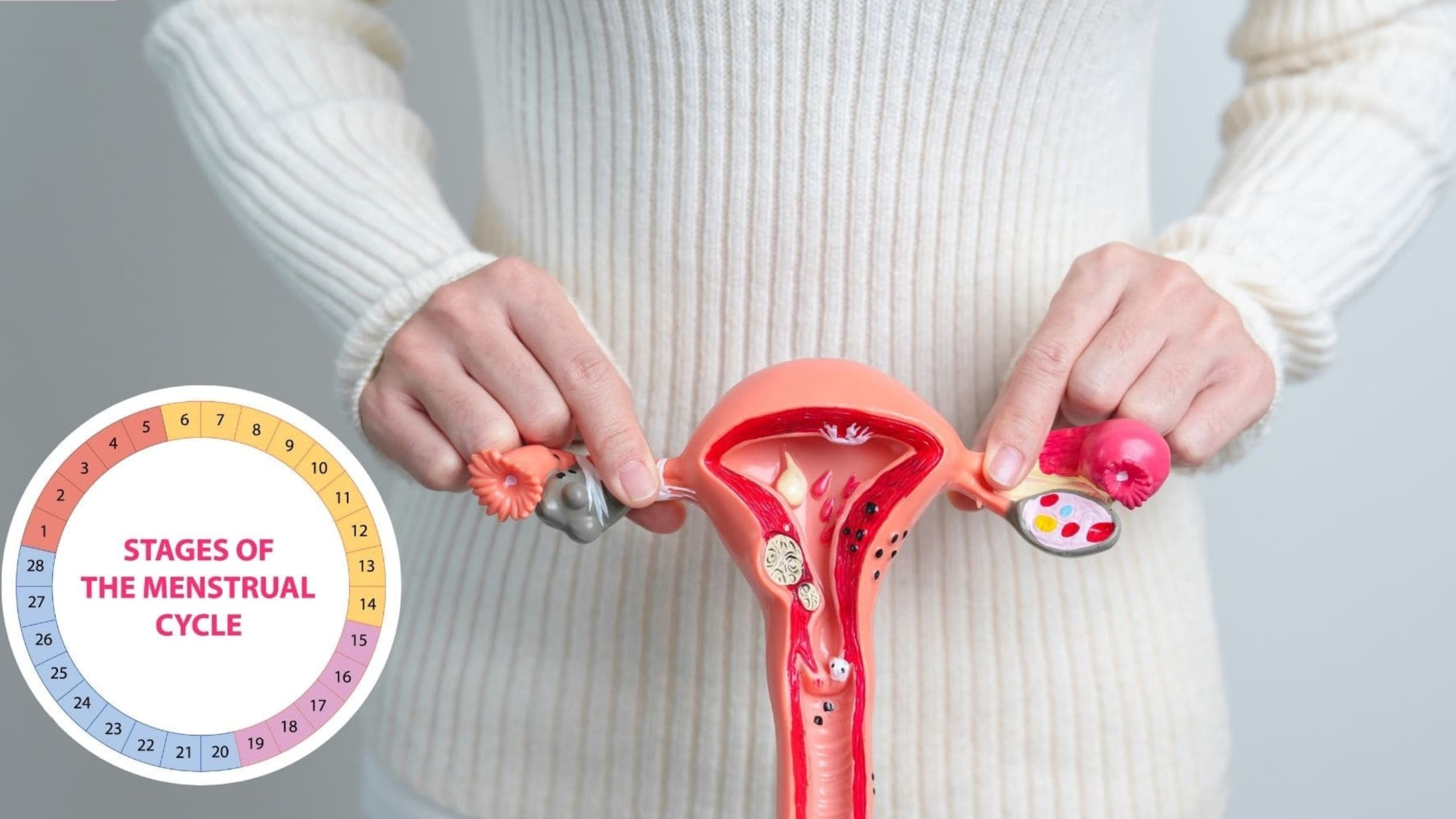
So yes it’s absolutely possible to still “cycle” without a period. Even without menstruation, your body often maintains rhythmic hormonal fluctuations that mirror the classic four phases of the menstrual cycle: follicular, ovulatory, luteal, and menstrual.
Why Cycle Syncing Still Matters Post Hysterectomy
When I began working with women after their surgeries, I noticed something interesting. Many would say, “I don’t get periods anymore, but I still have good weeks and low energy weeks.” They were describing what I call the invisible cycle, the body’s continued hormonal rhythm even without visible bleeding.
Those energetic highs and lows aren’t random. They’re guided by the same internal hormonal clock that has always influenced your mood, motivation, and focus. Even without a uterus, this clock affects:
- Mood and mindset: Rising estrogen often brings confidence, optimism, and mental clarity.
- Energy and stamina: Progesterone’s calming effect can make you crave slower, more restorative activities.
- Metabolism and weight: Estrogen plays a role in how your body manages insulin and stores fat.
- Sleep and recovery: Progesterone supports relaxation and deeper rest, helping regulate your circadian rhythm.
Once you start recognising these patterns, you can align your lifestyle with them instead of pushing against your body’s natural rhythm. That’s where the idea of cycle syncing still holds incredible value after a hysterectomy.
Reconnecting With Your Body After Surgery
One of the biggest emotional shifts many women face after a hysterectomy is a sense of disconnection as if the absence of a period means the end of femininity or rhythm. But in reality, your body still has cues; they’re just quieter now. Learning to listen to those signals can be both grounding and empowering.
Here’s how I’ve helped women and practised myself to reconnect with this natural rhythm:
- Track your patterns: Even without menstruation, note how your energy, mood, and sleep change across the month. Within two or three cycles, clear trends usually emerge.
- Align your activities: Use your high energy phases for social plans, presentations, or creative projects. Save slower tasks and reflective work for your restful, progesterone dominant days.
- Support your body nutritionally: Include foods rich in magnesium, B vitamins, and healthy fats to stabilise mood and energy
- Move with intention: During lower energy phases, choose yoga, walking, or gentle strength training over high intensity exercise.
- Prioritise rest: Hormonal fluctuations still tax the nervous system. Rest isn’t indulgent, it’s essential for balance.
This approach isn’t about mimicking menstruation; it’s about honouring the body’s biological intelligence. Your hormones may speak in whispers now, but they still guide how you feel, think, and perform.
How to Rebalance Hormones Naturally
Balancing hormones after hysterectomy is less about “restoring” a period and more about stabilising your internal signals. Here’s what’s worked for my clients (and myself when supporting them through recovery):
1. Prioritise consistent sleep
Hormone regulation begins in the brain. Going to bed and waking up at similar times helps your circadian rhythm signal healthy estrogen and cortisol cycles.
2. Focus on blood sugar stability
Sharp glucose spikes can worsen mood swings and fatigue. Include protein and healthy fats in every meal.
3. Support liver health
Your liver metabolises hormones. Cruciferous veggies like broccoli and cauliflower aid detoxification and reduce estrogen dominance.
4. Manage stress strategically
Cortisol competes with progesterone production. Incorporate breathwork, journaling, or restorative yoga to lower stress load.
5. Supplement wisely
I’ve seen strong results from these vitamins for women after hysterectomy:
- Vitamin D3 for mood and bone health
- Magnesium glycinate for sleep and muscle relaxation
- B complex for energy metabolism
- Omega3 fatty acids for inflammation and hormone support
If you’re rebuilding balance after surgery, proper nutrition can make a measurable difference in how your body adapts.
Nutrition and Supplements to Support Hormonal Health
Even if you don’t menstruate, eating with hormonal awareness can help you feel grounded. I encourage women to think in phases, inspired by the menstrual cycle but guided by body cues.
| Phase | Focus Foods | Why They Help |
| Follicular (Renewal) | Leafy greens, citrus, lean proteins | Boosts energy and cell regeneration |
| Ovulatory (Peak) | Fibre rich veggies, zinc, hydration | Supports liver detox and hormone balance |
| Luteal (Wind Down) | Complex carbs, magnesium, dark chocolate | Reduces bloating, supports calmness |
| Menstrual (Rest) | Soups, iron rich foods, bone broth | Replenishes nutrients, aids repair |
If you’ve had your ovaries removed, these patterns can still guide your nutrition for energy balance and mood regulation.
Movement, Rest, and Self Care by Phase (Even Without a Period)
I learned the hard way that pushing through fatigue post surgery backfires. Instead, align activity with how your body feels:
- Renewal phase: Gentle walks, Pilates, or light strength training.
- High energy phase: Moderate cardio or weight sessions.
- Restorative phase : Yoga, stretching, or rest days..
This rhythm supports hormone harmony, boosts endorphins, and prevents burnout something many women overlook after hysterectomy.
Tracking Your Body’s Signals Without a Menstrual Cycle
You might not have a bleed, but your body still communicates through:
- Temperature changes
- Energy shifts
- Mood or appetite fluctuations
- Libido variation
Use apps like Clue or Natural Cycles to track these clues, or simply journal daily notes about energy, cravings, and focus. Over time, you’ll identify your non menstrual phases, a subtle but empowering map of your new hormonal flow.
Faqs about Cycle Syncing After Hysterectomy
1. Do women still go through menopause after a hysterectomy?
Yes. If your ovaries remain, menopause will occur naturally over time. If removed, you enter surgical menopause immediately.
2. Can I still experience PMS symptoms without a period?
Absolutely. Hormones like estrogen and progesterone can still fluctuate, influencing mood and water retention.
3. What are the best vitamins for women after hysterectomy?
Vitamin D, magnesium, B complex, calcium, and omega 3 are top choices to support bone health, energy, and mood. Always confirm with your doctor before starting new supplements.
Final thoughts
When I first started working with women post hysterectomy, I expected them to want symptom management. What I didn’t anticipate was how many wanted connection to their bodies, moods, and energy again.
Cycle syncing after hysterectomy isn’t about getting your period back. It’s about honouring your body’s internal rhythm, even if it looks different from before. Once you tune in, you’ll notice the subtle shifts when you think clearer, when your body craves rest, when your energy peaks.
That’s the real beauty of cycle syncing: it helps you live in partnership with your body, not in confusion about it. Whether you’re rebuilding strength, confidence, or peace, syncing your lifestyle to your hormones can help you feel whole again in the uterus or not.
When I first started coaching women posthysterectomy, I realised how little we’re told about what happens next. Many women assume the journey ends after surgery, no more periods, no more hormones to worry about. But the truth is, your body still follows hormonal patterns even if your uterus is gone.
A hysterectomy the surgical removal of the uterus can be partial, total, or include removal of the ovaries (an oophorectomy). Each type affects your hormones differently. If your ovaries remain, you’ll still produce estrogen, progesterone, and testosterone, though your cycle won’t involve menstruation. If your ovaries are removed, your body enters surgical menopause almost immediately.
In both cases, hormones continue to influence mood, energy, weight, and sleep. That’s why understanding cycle syncing after hysterectomy can be transformative; it helps you reconnect with your rhythm even when your cycle looks different.
Understanding the Types of Hysterectomy
Partial hysterectomy : This means the uterus is removed, but the ovaries remain intact. In this case, you won’t have a menstrual bleed because there’s no uterine lining to shed. However, your ovaries still produce estrogen and progesterone, so you’ll continue to experience natural hormonal fluctuations, those subtle shifts in mood, energy, and motivation that form the foundation of the menstrual cycle.
Total hysterectomy: When both the uterus and cervix are removed but the ovaries remain, you’ll no longer have periods, yet your hormones still rise and fall in predictable rhythms. You might notice that certain times of the month bring a surge of energy, creativity, or sociability, while other times feel more introspective and calm. Those patterns reflect your body’s ongoing hormonal cycle.
Hysterectomy with oophorectomy: If both the uterus and ovaries are removed, the hormonal cycle stops abruptly because your main sources of estrogen and progesterone are gone. This triggers what’s known as surgical menopause, a sudden drop in hormones that can cause hot flashes, night sweats, sleep disruption, and mood changes. The transition can feel intense because the body doesn’t have time to adjust gradually.
So yes it’s absolutely possible to still “cycle” without a period. Even without menstruation, your body often maintains rhythmic hormonal fluctuations that mirror the classic four phases of the menstrual cycle: follicular, ovulatory, luteal, and menstrual.
Why Cycle Syncing Still Matters Post Hysterectomy
When I began working with women after their surgeries, I noticed something interesting. Many would say, “I don’t get periods anymore, but I still have good weeks and low energy weeks.” They were describing what I call the invisible cycle, the body’s continued hormonal rhythm even without visible bleeding.
Those energetic highs and lows aren’t random. They’re guided by the same internal hormonal clock that has always influenced your mood, motivation, and focus. Even without a uterus, this clock affects:
- Mood and mindset: Rising estrogen often brings confidence, optimism, and mental clarity.
- Energy and stamina: Progesterone’s calming effect can make you crave slower, more restorative activities.
- Metabolism and weight: Estrogen plays a role in how your body manages insulin and stores fat.
- Sleep and recovery: Progesterone supports relaxation and deeper rest, helping regulate your circadian rhythm.
Once you start recognising these patterns, you can align your lifestyle with them instead of pushing against your body’s natural rhythm. That’s where the idea of cycle syncing still holds incredible value after a hysterectomy.
Reconnecting With Your Body After Surgery
One of the biggest emotional shifts many women face after a hysterectomy is a sense of disconnection as if the absence of a period means the end of femininity or rhythm. But in reality, your body still has cues; they’re just quieter now. Learning to listen to those signals can be both grounding and empowering.
Here’s how I’ve helped women and practised myself to reconnect with this natural rhythm:
- Track your patterns: Even without menstruation, note how your energy, mood, and sleep change across the month. Within two or three cycles, clear trends usually emerge.
- Align your activities: Use your high energy phases for social plans, presentations, or creative projects. Save slower tasks and reflective work for your restful, progesterone dominant days.
- Support your body nutritionally: Include foods rich in magnesium, B vitamins, and healthy fats to stabilise mood and energy
- Move with intention: During lower energy phases, choose yoga, walking, or gentle strength training over high intensity exercise.
- Prioritise rest: Hormonal fluctuations still tax the nervous system. Rest isn’t indulgent, it’s essential for balance.
This approach isn’t about mimicking menstruation; it’s about honouring the body’s biological intelligence. Your hormones may speak in whispers now, but they still guide how you feel, think, and perform.
How to Rebalance Hormones Naturally
Balancing hormones after hysterectomy is less about “restoring” a period and more about stabilising your internal signals. Here’s what’s worked for my clients (and myself when supporting them through recovery):
1. Prioritise consistent sleep
Hormone regulation begins in the brain. Going to bed and waking up at similar times helps your circadian rhythm signal healthy estrogen and cortisol cycles.
2. Focus on blood sugar stability
Sharp glucose spikes can worsen mood swings and fatigue. Include protein and healthy fats in every meal.
3. Support liver health
Your liver metabolises hormones. Cruciferous veggies like broccoli and cauliflower aid detoxification and reduce estrogen dominance.
4. Manage stress strategically
Cortisol competes with progesterone production. Incorporate breathwork, journaling, or restorative yoga to lower stress load.
5. Supplement wisely
I’ve seen strong results from these vitamins for women after hysterectomy:
- Vitamin D3 for mood and bone health
- Magnesium glycinate for sleep and muscle relaxation
- B complex for energy metabolism
- Omega3 fatty acids for inflammation and hormone support
If you’re rebuilding balance after surgery, proper nutrition can make a measurable difference in how your body adapts.
Nutrition and Supplements to Support Hormonal Health
Even if you don’t menstruate, eating with hormonal awareness can help you feel grounded. I encourage women to think in phases, inspired by the menstrual cycle but guided by body cues.
| Phase | Focus Foods | Why They Help |
| Follicular (Renewal) | Leafy greens, citrus, lean proteins | Boosts energy and cell regeneration |
| Ovulatory (Peak) | Fibre rich veggies, zinc, hydration | Supports liver detox and hormone balance |
| Luteal (Wind Down) | Complex carbs, magnesium, dark chocolate | Reduces bloating, supports calmness |
| Menstrual (Rest) | Soups, iron rich foods, bone broth | Replenishes nutrients, aids repair |
If you’ve had your ovaries removed, these patterns can still guide your nutrition for energy balance and mood regulation.
Movement, Rest, and Self Care by Phase (Even Without a Period)
I learned the hard way that pushing through fatigue post surgery backfires. Instead, align activity with how your body feels:
- Renewal phase: Gentle walks, Pilates, or light strength training.
- High energy phase: Moderate cardio or weight sessions.
- Restorative phase : Yoga, stretching, or rest days..
This rhythm supports hormone harmony, boosts endorphins, and prevents burnout something many women overlook after hysterectomy.
Tracking Your Body’s Signals Without a Menstrual Cycle
You might not have a bleed, but your body still communicates through:
- Temperature changes
- Energy shifts
- Mood or appetite fluctuations
- Libido variation
Use apps like Clue or Natural Cycles to track these clues, or simply journal daily notes about energy, cravings, and focus. Over time, you’ll identify your non menstrual phases, a subtle but empowering map of your new hormonal flow.
Faqs about Cycle Syncing After Hysterectomy
1. Do women still go through menopause after a hysterectomy?
Yes. If your ovaries remain, menopause will occur naturally over time. If removed, you enter surgical menopause immediately.
2. Can I still experience PMS symptoms without a period?
Absolutely. Hormones like estrogen and progesterone can still fluctuate, influencing mood and water retention.
3. What are the best vitamins for women after hysterectomy?
Vitamin D, magnesium, B complex, calcium, and omega 3 are top choices to support bone health, energy, and mood. Always confirm with your doctor before starting new supplements.
Final thoughts
When I first started working with women post hysterectomy, I expected them to want symptom management. What I didn’t anticipate was how many wanted connection to their bodies, moods, and energy again.
Cycle syncing after hysterectomy isn’t about getting your period back. It’s about honouring your body’s internal rhythm, even if it looks different from before. Once you tune in, you’ll notice the subtle shifts when you think clearer, when your body craves rest, when your energy peaks.
That’s the real beauty of cycle syncing: it helps you live in partnership with your body, not in confusion about it. Whether you’re rebuilding strength, confidence, or peace, syncing your lifestyle to your hormones can help you feel whole again in the uterus or not.