Table of Contents
What Is an IUD and How Does It Work?
Cycle Syncing With an IUD if you’ve ever Googled what is an IUD for women, you’ve probably found a flood of medical jargon. So let’s keep it simple.
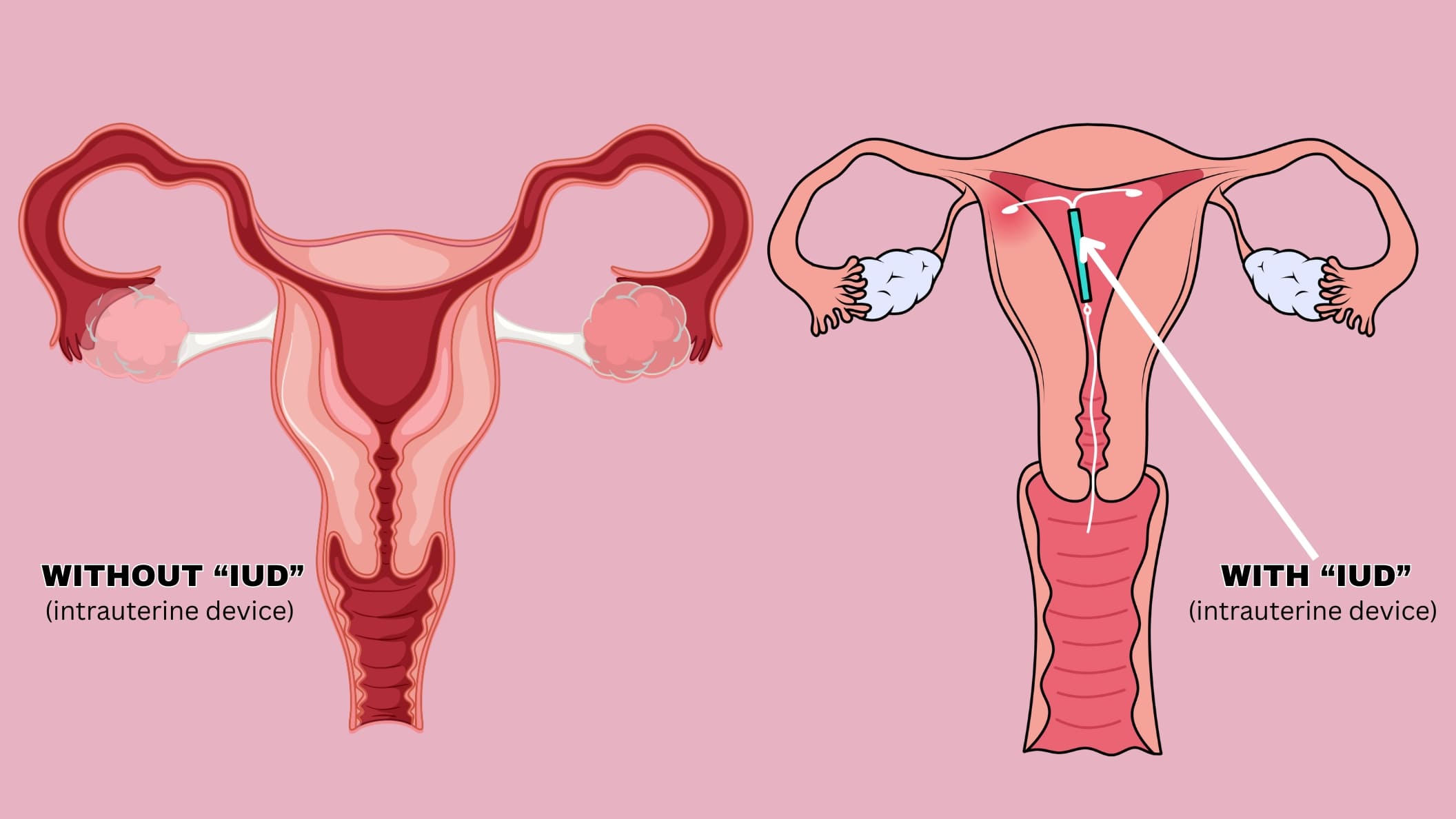
An IUD, or intrauterine device, is a small T shaped piece inserted into the uterus to prevent pregnancy. There are two main types: hormonal (like Mirena, Kyleena, and Skyla) and non hormonal (like Paragard, which uses copper).
In my years of coaching women through hormonal balance and body literacy, I’ve seen both IUD types used for different reasons from birth control and lighter periods to managing hormonal symptoms like acne or cramps. But here’s where the confusion starts: how does an IUD affect your natural cycle syncing?
Can You Still Cycle Sync With an IUD?
This is one of the most common questions I get.The short answer: yes but it looks a little different.
‘Cycle syncing is about aligning your lifestyle with your body’s hormonal rhythm. Even with an IUD, your hormones still fluctuate just not always in the same way or intensity as before.
Most women think an IUD “stops” their cycle. That’s not entirely true. With hormonal IUDs, ovulation may still occur for some women, though the uterine lining doesn’t build up as much. With non hormonal IUDs, ovulation continues normally, meaning you can fully track and sync your phases.
In my experience, once women learn to observe subtle changes like energy shifts, libido patterns, and emotional cues they start noticing their body’s rhythm again, even if their periods become lighter or irregular.
Understanding Hormonal vs Non Hormonal IUDs
| Type | Hormones | Ovulation | Periods |
| Hormonal (e.g., Mirena) | Releases levonorgestrel | May still occur but less often | Lighter or absent |
| Non Hormonal (Copper IUD) | No hormones | Continues normally | Regular or heavier |
Ideal For
- Women wanting reduced bleeding or cramps
- Women avoiding synthetic hormones
If you’re using a hormonal IUD, your estrogen and progesterone may fluctuate less dramatically. That means your symptoms during the follicular or luteal phase might be subtler.
For those with a copper IUD, you can follow a traditional four-phase cycle syncing plan: menstrual, follicular, ovulatory, and luteal.
Either way, the principle remains the same: listen, adapt, and honour your body’s signals.
How an IUD Affects Your Menstrual Cycle
When I first started helping clients who used IUDs, I noticed a common theme confusion. Many thought that no period meant no cycle.
Here’s what actually happens:
- Hormonal IUDs thin your uterine lining, which can reduce or eliminate bleeding, but your ovaries still produce hormones in cycles.
- Copper IUDs can sometimes increase bleeding and cramps in the first few months, but the body often adjusts.
Even without a clear bleed, you might still feel hormonal waves, energy boosts mid-cycle, slower days per period, or sudden cravings. That’s your body whispering, “Hey, I’m still cycling just differently.”
What Cycle Syncing Looks Like With an IUD
Here’s how I usually guide clients through syncing when their cycle feels unpredictable:
1. Menstrual / Reset Phase (Days 1–5)
Even if you don’t bleed, your energy might dip. This is your reset period.
Focus on: rest, journaling, and warm, iron rich foods like soups and lentils.
2. Follicular / Growth Phase (Days 6–13)
Estrogen rises. You feel lighter, optimistic, creative.
Focus on: planning, brainstorming, light workouts, and vibrant foods berries, leafy greens, lean proteins.
3. Ovulatory / Connect Phase (Days 14–17)
Energy and confidence peak. This is the “social” phase.
Focus on: collaboration, high intensity workouts, and zinc rich foods like nuts and seeds.
4. Luteal / Reflect Phase (Days 18–28)
Progesterone dominates. You may crave rest and comfort.
Focus on: grounding meals, gentle exercise, and mental decluttering.
The goal isn’t perfection, it’s awareness. Even small adjustments, like scheduling deep work during follicular days or lighter tasks before your period, can make a massive difference in productivity and mood.
Nutrition, Workouts, and Mood : Adapting Your Routine
I often remind clients that syncing with an IUD is less about rigid tracking and more about observing how you feel.
- Nutrition: Prioritise anti inflammatory foods leafy greens, salmon, avocado especially if you use a copper IUD, since it can increase oxidative stress.
- Workouts: Follow your energy, not your calendar. Push harder when you feel strong (usually follicular/ovulatory), and rest guilt free during low energy phases.
- Mood: Journaling patterns in mood, sleep, or cravings helps identify your hormonal rhythm, even if bleeding is irregular.
Once, a client named Lara told me she thought her IUD had “erased” her cycle. But when we tracked her energy and emotions over 6 weeks, clear patterns emerged: bursts of motivation, social energy mid month, then softer, introspective days before spotting began. That awareness changed how she approached work, workouts, and self care.
How to Track Your Cycle With an IUD
If your period isn’t consistent, these tools help decode your internal rhythm:
- Cycle tracking apps: Clue, Natural Cycles, and MyFlo let you log symptoms and energy levels, not just bleeding.
- Basal body temperature (BBT): You may still see subtle rises during ovulation.
- Cervical fluid: Changes from creamy to clear mid cycle indicate hormonal shifts.
I encourage women to track for 2 – 3 months before making lifestyle changes. Patterns appear faster than you think.
Real Experiences: What I’ve Learned From Clients
Over the years, I’ve seen women regain control of their health after feeling disconnected from their cycle post IUD.
One client felt her hormonal IUD dulled her intuition that her body’s cues were harder to read. After three months of intentional tracking and adjusting her workouts and food choices, she reported better energy, improved sleep, and more predictable moods.
Cycle syncing isn’t about achieving “perfect” balance; it’s about rebuilding a relationship with your body, especially when modern contraception changes the landscape.
Faqs about Cycle Syncing With an IUD
1. Can I fully cycle sync with a hormonal IUD?
Yes but focus more on energy and mood cues than bleeding patterns. Ovulation may still occur, but your bleed may be lighter or absent.
2. Does the copper IUD affect hormones?
No, it works locally (through copper ions) and doesn’t alter estrogen or progesterone, so your natural cycle continues.
3. What if my cycle feels completely unpredictable?
That’s okay. Start by tracking how you feel daily energy, sleep, libido, focus rather than waiting for clear “phases.” You’ll find your pattern with consistency.
Final thoughts
When I started diving into this topic, I realised how many women felt detached from their cycle after getting an IUD as if their body’s natural rhythm had gone silent. But it’s still there, beneath the surface, waiting to be noticed.
Cycle syncing with an IUD isn’t about forcing structure on your hormones; it’s about reconnecting with subtle cues: the rise in motivation, the craving for rest, the emotional ebb and flow.
The beauty of this process is in rediscovery. You learn that your body, even with medical support like an IUD, still has wisdom. And when you honour that rhythm in your food, workouts, work, and self care you don’t just manage your cycle, you master your connection to it.