Table of Contents
For years, I couldn’t understand why my motivation and energy seemed to fluctuate so wildly. One week I was on fire, crushing deadlines and workouts, and the next I felt unmotivated, bloated, and tired for no clear reason. Once I learned about the four phases of the menstrual cycle and how hormones change in each, everything clicked.
Our hormones move in a rhythm, not a straight line. Each phase creates a different physical and emotional landscape. Once I started paying attention to these natural cycles and adjusted my routine accordingly, I stopped feeling like I was constantly pushing against myself. My energy became predictable, my workouts improved, and my mood felt more stable.
Here’s a breakdown of what’s happening in each of the four menstrual cycle phases:
| Phase | Days (approx.) | Dominant Hormones | Main Focus |
| Menstrual | 1–5 | Low estrogen and progesterone | Rest and release |
| Follicular | 6–13 | Rising estrogen | Growth and creativity |
| Ovulatory | 14–17 | Peak estrogen and luteinizing hormone | Connection and performance |
| Luteal | 18–28 | Rising progesterone | Reflection and preparation |
Once I began seeing my body as cyclical rather than inconsistent, I could finally give myself permission to ebb and flow without guilt.
The Menstrual Phase: Rest and Renewal
The menstrual phase is when everything slows down. Estrogen and progesterone drop to their lowest levels, which explains the fatigue, mood dips, and sometimes the craving for solitude. I used to force myself through this phase, but now I treat it as a time for rest and renewal.
My energy is naturally lower, so I focus on gentle movement, warm foods, and emotional reflection. This is also when I check in with myself to see what worked this past month, what didn’t, and what I want to change.
Focus on: Rest, comfort, and gentle reflection.
Helpful habits:
- Prioritize good sleep and early nights.
- Eat warm, nourishing foods like soups and stews.
- Give yourself permission to say no to unnecessary commitments.
- Reflect or journal to process emotions.
Once I stopped resisting rest during this phase, I noticed I started the next phase feeling refreshed and ready to go instead of drained.
The Follicular Phase: Rise and Rebuild
This phase feels like a fresh start. Estrogen starts rising again, and with it comes creativity, confidence, and motivation. It’s like the world starts to feel brighter, and suddenly I’m ready to take action again.
I use this time to set new intentions, plan projects, and reconnect with my social circle. My workouts become more dynamic, and I naturally crave lighter, fresher meals. The follicular phase is also when learning new things feels easier because brain connectivity improves under the influence of estrogen.
Focus on: Growth, curiosity, and exploration.
Helpful habits:
- Start new projects or routines.
- Try new workouts or increase intensity gradually.
- Eat light, energizing meals with plenty of greens and proteins.
- Schedule social events or networking opportunities.
During this phase, I feel unstoppable, but I’ve learned to enjoy it without overcommitting because the next phase, ovulation, often brings even more outward energy.
The Ovulatory Phase: Peak and Perform
This is the high point of the cycle. Estrogen peaks, testosterone rises slightly, and luteinizing hormone triggers ovulation. These hormones make me feel confident, magnetic, and productive.
This is the time when I take on high energy tasks like presentations, collaborations, and group workouts. I notice my body feels stronger and more resilient, and my ability to connect with others skyrockets.
Focus on: Visibility, communication, and power.
Helpful habits:
- Schedule important meetings or creative collaborations.
- Eat lighter meals like salads, smoothies, and omega 3 rich foods.
- Push yourself in workouts while energy is high.
- Spend time around people who inspire you.
This is also a good time to check in with how your body feels physically. Ovulation is the midpoint of the cycle, and noticing changes like cervical fluid or a slight temperature increase can help you understand your body better.
When I learned to use this time for connection and visibility, I found myself thriving professionally and personally.
The Luteal Phase: Reflect and Restore
After ovulation, progesterone rises and slows the body down. The luteal phase can last from ten to fourteen days, and I can always feel it begin. My body asks for calm and grounding, my sleep needs increase, and my tolerance for chaos decreases.
This used to frustrate me, but now I see it as a cue to prioritize balance. During this phase, I switch to moderate exercise, keep my meals rich and comforting, and make space for solitude.
Focus on: Consistency, nourishment, and calm.
Helpful habits:
- Focus on steady, low impact movement like walking or yoga.
- Eat complex carbs and magnesium rich foods to reduce PMS.
- Keep caffeine and sugar moderate.
- Prioritize relaxation and emotional awareness.
This is also when PMS symptoms can appear, especially if stress or nutrition have been off earlier in the cycle. I’ve learned that the luteal phase reflects how I’ve treated myself all month. When I stay balanced, this phase feels more like winding down than crashing.
How Hormones Influence Energy and Mood
Hormones influence everything from our mood and motivation to our focus and sleep. Estrogen boosts serotonin and dopamine, which lift mood and drive, while progesterone encourages calm and rest. When these hormones are balanced, we feel focused and stable. When they aren’t, it can feel like a rollercoaster.
I’ve noticed that my energy and emotions are most stable when I’m eating well, managing stress, and sleeping consistently. In months when I skip meals or overtrain, my luteal phase becomes heavier, my cramps worsen, and my patience disappears.
Understanding this connection has been empowering. Instead of blaming my body for mood swings or fatigue, I now listen to what it’s asking for and adjust my lifestyle accordingly.
Eating for Every Hormone Phase
Once I started tailoring my food choices to my cycle, my energy stabilized, my skin cleared, and my cravings disappeared. Food can either work with your hormones or against them.
| Phase | Focus Foods | Why It Helps |
| Menstrual | Iron rich foods like spinach, lentils, and beets | Replenishes nutrients lost during bleeding |
| Follicular | Fresh vegetables, fermented foods, lean proteins | Supports metabolism and gut health |
| Ovulatory | Light meals, fruits, and omega 3 fats | Keeps energy high and supports hormone balance |
| Luteal | Complex carbs, root vegetables, and magnesium | Reduces PMS and stabilizes blood sugar |
This simple framework makes meal planning intuitive. My cravings no longer feel random because they’re just my body’s way of asking for specific support.
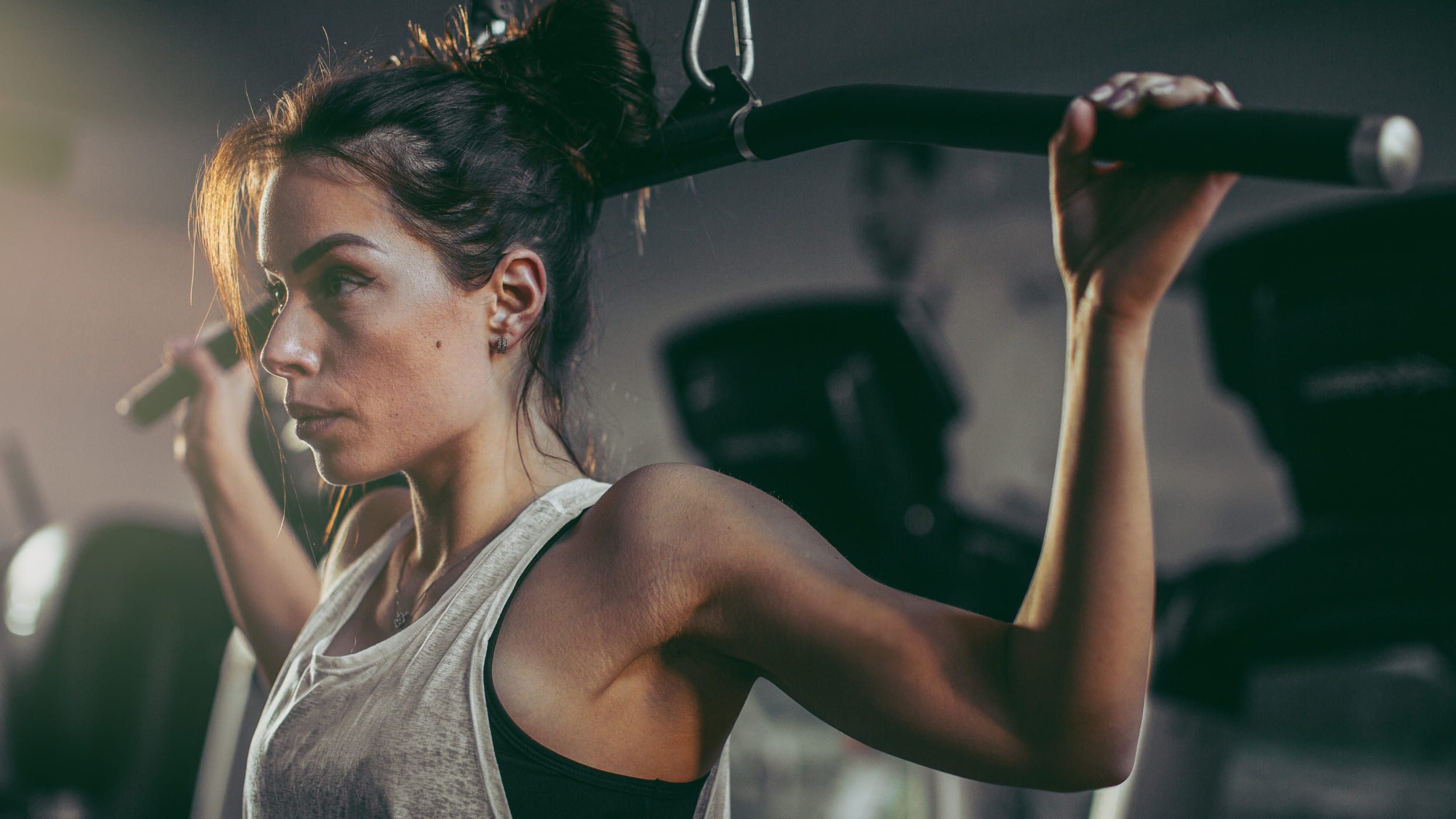
Adjusting Workouts and Movement by Phase
I used to push through intense workouts every week, no matter where I was in my cycle. Eventually, I hit burnout. Now, I adjust my training to match my hormonal rhythm, and it’s been life changing.
- Menstrual Phase: Gentle yoga, stretching, or full rest if needed.
- Follicular Phase: Strength training and new routines to match rising energy.
- Ovulatory Phase: High intensity training, running, or group workouts.
- Luteal Phase: Lower impact movement like pilates or long walks.
When I move this way, I no longer dread my workouts. My energy feels natural, and my results have actually improved because I’m no longer forcing my body to perform when it needs rest.
Daily Habits to Support Hormonal Balance
Cycle syncing isn’t only about workouts or food. It’s about daily rhythm. Small, consistent habits have the biggest impact on hormone health.
Here’s what I prioritize:
- Consistent sleep routines to support recovery.
- Daily protein intake to stabilize blood sugar.
- Managing caffeine, especially in the luteal phase.
- Journaling to track mood and energy changes.
- Reducing alcohol to support liver detox and hormone balance.
These practices have helped me feel more grounded and in tune with my body. I always remind my clients that balance doesn’t come from perfection. It comes from awareness and intention.
FAQs
1. How can I tell which hormone phase I’m in?
Track your cycle for a few months. Note changes in energy, mood, and physical symptoms. Apps like Clue or Flo can help identify each phase.
2. How do I start cycle syncing?
Begin by observing your natural patterns before making big changes. Once you recognize the four phases, start adjusting your workouts, meals, and workload accordingly.
3. How can cycle syncing help with PMS and fatigue?
When you live in sync with your hormones, you reduce stress on your body. This improves sleep, balances blood sugar, and prevents the crash that often leads to PMS.
Final Thoughts
Cycle syncing changed how I view my body and my productivity. Instead of forcing myself to perform the same way every day, I now flow with my natural rhythm. I’ve learned that each phase brings its own kind of power whether it’s rest, creativity, connection, or reflection.
When you start honoring these shifts, your energy stabilizes, your confidence grows, and you stop feeling like your body is unpredictable. You begin to see your cycle not as a challenge but as a built in guide for balance and growth.
Living in sync with your hormones is more than a wellness trend. It’s a way of living that honors your biology, builds self trust, and helps you thrive every single day.