Table of Contents
The first time I saw a cycle syncing chart, I was amazed. It felt like someone had handed me the manual for my body that I didn’t know I needed.
For years, I treated my energy and focus as unpredictable. Some weeks I could take on everything with enthusiasm, and others I felt tired, foggy, and overwhelmed. I thought it was stress, lack of sleep, or maybe even my diet. But once I started tracking my hormonal patterns with a cycle syncing chart, everything started to make sense.
I realized that my energy, motivation, and even creativity weren’t random at all. They were following a natural rhythm shaped by my hormones.
That discovery changed how I worked, exercised, and rested. Instead of forcing myself to perform the same every week, I started planning my schedule around my body’s natural flow. The difference was incredible. My productivity felt steady, my mood improved, and my PMS symptoms started to ease.
Once you learn how to use a cycle syncing chart, you’ll see your entire month in a new light.
Understanding the Four Phases of the Menstrual Cycle
Most of us learned about the menstrual cycle only in the context of periods, but there are actually four unique phases that influence how we feel, think, and perform. Each phase is ruled by specific hormones that create changes in your body and brain.
Here’s a simple breakdown of the four phases and how they shape your experience.
| Phase | Days (approx.) | Main Hormones | How You Feel | What’s Happening |
| Menstrual Phase | 1–5 | Low estrogen and progesterone | Tired, introspective, low energy | Your body releases the uterine lining. Energy is lowest, and rest is essential. |
| Follicular Phase | 6–13 | Rising estrogen | Optimistic, motivated, creative | Estrogen increases, bringing energy and mental clarity. Ideal for new beginnings. |
| Ovulatory Phase | 14–16 | Peak estrogen and testosterone | Confident, social, magnetic | Hormones peak, boosting energy, focus, and communication skills. |
| Luteal Phase | 17–28 | High progesterone | Grounded, focused, detail-oriented | Progesterone rises to prepare for the next cycle. You crave stability and calm. |
When I first saw this chart laid out visually, it was like watching my entire month come into focus. My bursts of creativity and my moments of fatigue weren’t random; they followed this exact hormonal rhythm.
Once I started planning my schedule with this in mind, I stopped seeing my energy dips as failures. Instead, I saw them as invitations to slow down, refocus, and restore balance.
How Hormones Shift Throughout the Month
Your hormones fluctuate in a wave like pattern throughout the month, and those changes directly influence your energy, mood, and concentration. Understanding this flow is the key to using a cycle syncing chart effectively.
Here’s a snapshot of how your three main hormones behave during your cycle:
| Phase | Estrogen | Progesterone | Testosterone | Effect on Mood and Energy |
| Menstrual | Low | Low | Low | Low energy and introspection. You may feel reflective and need more rest. |
| Follicular | Rising | Low | Moderate | Energy and creativity increase. You feel ready to plan and start new things. |
| Ovulatory | High | Low | High | Maximum focus and confidence. Great for collaboration and communication. |
| Luteal | Moderate then dropping | High | Low | Calm, detail-oriented, but slower. Perfect for deep work and completion. |
When I began charting these patterns, I noticed how much easier it became to manage my workload. I could anticipate when I’d feel my sharpest and when I’d need recovery time. Instead of fighting the natural dips, I started embracing them. That single mindset shift made me more efficient and less stressed.
How to Read and Use a Cycle Syncing Chart
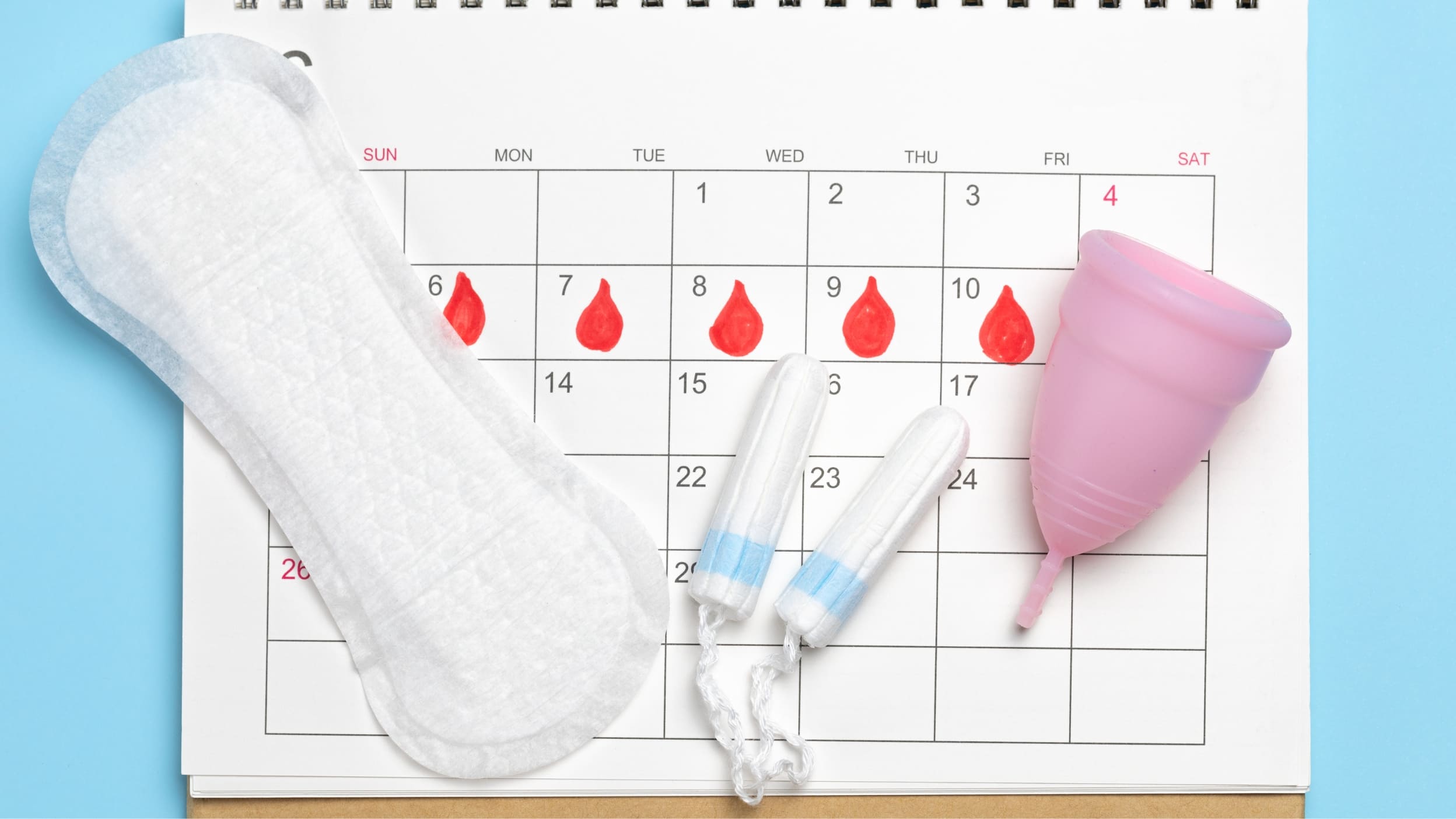
A cycle syncing chart is a visual guide that maps how your hormones and energy levels shift throughout the month. It’s like a monthly roadmap for your mind and body.
When I first started tracking, I used a simple notebook. I marked Day 1 as the first day of my period and created four color-coded sections for each phase. Every day, I recorded three things: my energy level, mood, and focus.
After a few months, clear patterns emerged. I could see that my high energy, creative days consistently happened during the follicular and ovulatory phases, while my need for quiet and rest always showed up during my luteal and menstrual phases.
Here’s how I use my chart today:
- Mark the start of each phase.
- Track your mood, focus, and physical symptoms daily.
- Note changes in productivity, motivation, or cravings.
- Highlight days that feel particularly strong or challenging.
Once you’ve tracked three or four cycles, you’ll start to see your unique rhythm. That’s when the real magic happens. You can use this information to plan work, workouts, and rest days around your natural hormonal flow.
What to Track in Each Phase
Each phase of your cycle offers different insights. The more detailed your notes, the more powerful your chart becomes over time.
Menstrual Phase (Days 1–5)
This is your body’s time to rest and renew.
Track:
- Energy levels and sleep quality
- Mood and emotional sensitivity
- Cramps, headaches, or bloating
- Appetite and hydration
During this phase, I slow my schedule down and prioritize reflection. It’s when I look back at my month, journal about wins and lessons, and think about what I want to focus on next.
Follicular Phase (Days 6–13)
This phase feels like a fresh start.
Track:
- Motivation and focus
- Creativity and idea flow
- Exercise performance
- Mood and productivity
This is my favorite phase for brainstorming, starting projects, and social events. My brain feels sharp, and I can handle multitasking easily.
Ovulatory Phase (Days 14–16)
This is your high energy window.
Track:
- Confidence and communication
- Energy during physical activity
- Social comfort and ease
- Sleep patterns
I use this time to connect with people, film videos, host meetings, or teach workshops. My communication feels natural and my ideas come across clearly.
Luteal Phase (Days 17–28)
This phase is about grounding and finishing.
Track:
- Focus and task completion
- PMS symptoms
- Cravings and digestion
- Patience and stress tolerance
I use this time to tie up loose ends and handle administrative work. When my body starts asking for rest near the end of the phase, I listen. Doing so helps me avoid burnout.
Tracking these details month after month has given me an almost predictive understanding of my body. I can tell what kind of week I’m walking into just by checking my phase.
How Cycle Syncing Changes Your Energy, Focus, and Mood
Before I started tracking, I treated my body like it was supposed to perform at the same level every day. That constant pressure was exhausting. Cycle syncing helped me see that my energy wasn’t inconsistent; it was rhythmic.
Here’s what I notice now every month:
- Menstrual Phase: I’m quieter and more thoughtful. I focus on reflection rather than action.
- Follicular Phase: My energy surges. I’m open to new challenges and ideas.
- Ovulatory Phase: I’m at my peak for communication, leadership, and social interaction.
- Luteal Phase: I feel more grounded and introspective. It’s the best time for detail-oriented work.
When you know this rhythm, you can plan your month around it instead of fighting against it. You can schedule creative projects when you’re naturally inspired and take breaks when your body needs recovery.
It’s not about limiting yourself. It’s about using your biology as a strategy for success.
Real World Tips for Using the Chart
After years of experimenting, I’ve learned that the key to success with cycle syncing is simplicity and consistency.
Here’s what works best for me:
- Color-code your chart. Use one color for each phase. It helps you visualize the month at a glance.
- Keep notes short. A few words each day are enough to spot trends.
- Check in weekly. Review how your energy and mood are shifting.
- Align your schedule. Plan high-energy tasks for follicular and ovulatory weeks and lighter ones for menstrual and luteal weeks.
- Adjust as needed. Stress, travel, or sleep can shift your cycle. Flexibility is key.
It took about three cycles before my tracking felt natural, but once I got the hang of it, it became second nature. Now, my chart is part of my self-care routine, right alongside meal prep and journaling.
I use it to plan workouts, manage my workload, and even choose when to socialize. Knowing what to expect makes me feel calmer, more confident, and completely in tune with my body.
FAQs
What does a menstrual cycle chart look like and how do I use it?
A cycle syncing chart shows the four phases of your cycle across a 28 to 30-day timeline. You track your mood, energy, focus, and physical symptoms daily to spot patterns and plan your schedule accordingly.
How do hormone levels change throughout the four phases of the menstrual cycle?
Estrogen rises after your period, boosting energy and focus. It peaks during ovulation alongside testosterone, giving you confidence and clarity. Progesterone dominates the luteal phase, creating calm before all hormones drop during menstruation.
What should I track in each phase of my cycle?
Record your sleep, mood, energy, cravings, focus, and any physical changes. Over time, these notes reveal your unique hormonal rhythm.
Can a cycle syncing chart help reduce PMS and stress?
Yes. By anticipating hormonal changes, you can prepare with the right nutrition, exercise, and rest, which helps balance mood and reduce PMS severity.
Final Thoughts
Using a cycle syncing chart completely changed how I relate to my body. What once felt unpredictable now feels beautifully predictable. I no longer wonder why some days feel effortless and others don’t. I already know.
Now, I plan my work, workouts, and self care around my cycle instead of fighting against it. My energy feels more consistent, my stress levels are lower, and I actually enjoy the ebb and flow of my month.
Cycle syncing isn’t just a wellness hack. It’s a mindset shift that helps you understand yourself on a deeper level. Once you start tracking, you’ll realize how intelligent your body really is.
If you’ve never used a cycle syncing chart before, start now. Track for one month, and I promise you’ll see patterns you’ve never noticed before. It’s simple, empowering, and yes, it might just blow your mind.