Table of Contents
I used to think my inconsistency in workouts was a sign of weakness. Some weeks I could lift heavier, run faster, and feel unstoppable, while others felt like I was dragging myself through mud. I blamed my diet, sleep, and even my motivation, but nothing ever explained the cycle of highs and lows that kept repeating every month.
Then I discovered cycle syncing, and suddenly everything made sense. My performance wasn’t random; it was rhythmic. My hormones were fluctuating, changing the way my body used energy, recovered, and responded to stress.
When I started paying attention to my menstrual cycle, I realized I had a built-in rhythm that could guide my training. By aligning my workouts with my hormonal phases, I stopped fighting my body and started flowing with it.
Cycle syncing revealed my true power week, that magical window where strength, endurance, and focus peak naturally. Once I found it, I stopped guessing when to push hard and when to rest. My workouts started feeling intuitive and, for the first time, sustainable.
Understanding the Four Phases of Your Cycle
Your menstrual cycle is not just a monthly inconvenience. It is a dynamic hormonal blueprint that impacts every part of your body, including your metabolism, strength, and stamina. Once I understood how the four phases worked, I realized I could use them to time my training perfectly.
Here’s how I break it down:
| Phase | Days (approx.) | Hormones | Energy & Focus |
| Menstrual | 1–5 | Estrogen and progesterone low | Low energy, ideal for recovery |
| Follicular | 6–13 | Rising estrogen | Increasing energy and motivation |
| Ovulatory | 14–16 | Estrogen and testosterone peak | Maximum strength and performance |
| Luteal | 17–28 | Rising and falling progesterone | Gradual slowdown, better endurance and balance |
Each phase offers a unique advantage. Once I learned to harness those changes instead of ignoring them, my training became smarter, not harder.
How Hormones Impact Energy and Performance
Hormones are like invisible coaches guiding every aspect of how your body performs. Once I understood them, I could finally predict when my body would thrive or when it needed rest.
Estrogen rises during the follicular phase and peaks around ovulation. It boosts coordination, increases pain tolerance, and supports muscle recovery. When estrogen is high, I notice my workouts feel easier, and my endurance improves naturally.
Progesterone dominates the luteal phase. It helps with recovery and stability but also raises body temperature and slows digestion slightly. This can make high-intensity workouts feel tougher.
Testosterone peaks briefly during ovulation, fueling motivation, drive, and power. This is when I feel at my strongest, physically and mentally.
Understanding these hormones helped me stop blaming myself for every low-energy day. I realized my body wasn’t inconsistent; it was simply adapting to the natural rhythm of my cycle.
Training Smart in Each Phase
When I started syncing my workouts with my cycle, I noticed immediate changes. My recovery improved, my motivation returned, and my results became more consistent. The secret wasn’t training harder; it was training smarter.
Menstrual Phase (Days 1–5): Rest and Restore
During menstruation, your body is doing a lot behind the scenes. Hormones are at their lowest, and your body is using extra energy for the bleeding process. I used to push through this phase with tough workouts, but now I treat it as my recovery period.
Best workouts:
- Gentle yoga or stretching
- Walking or light movement
- Rest or meditation
Tips:
- Focus on restorative sleep and hydration
- Eat iron-rich foods and warm meals for comfort
- Use this phase for reflection and intention setting
I think of this as my body’s winter. It’s a time to reset, recharge, and prepare for the energy that’s about to come. Resting here doesn’t mean losing progress; it means building a stronger foundation.
Follicular Phase (Days 6–13): Build and Experiment
As estrogen starts to rise, energy levels climb, and motivation returns. I always feel more optimistic and ready to take on challenges during this time. It’s my go-to phase for setting new goals, experimenting with training styles, or learning new movements.
Best workouts:
- Strength training with progressive overload
- Interval or circuit workouts
- Cardio and skill-based training
Tips:
- Increase workout intensity gradually
- Fuel with complex carbs and protein for energy
- Try new exercises while confidence and focus are high
This phase feels like the body’s spring. Everything wakes up. I feel more social, energized, and creative, both in the gym and outside it.
Ovulatory Phase (Days 14–16): Peak Power and Performance
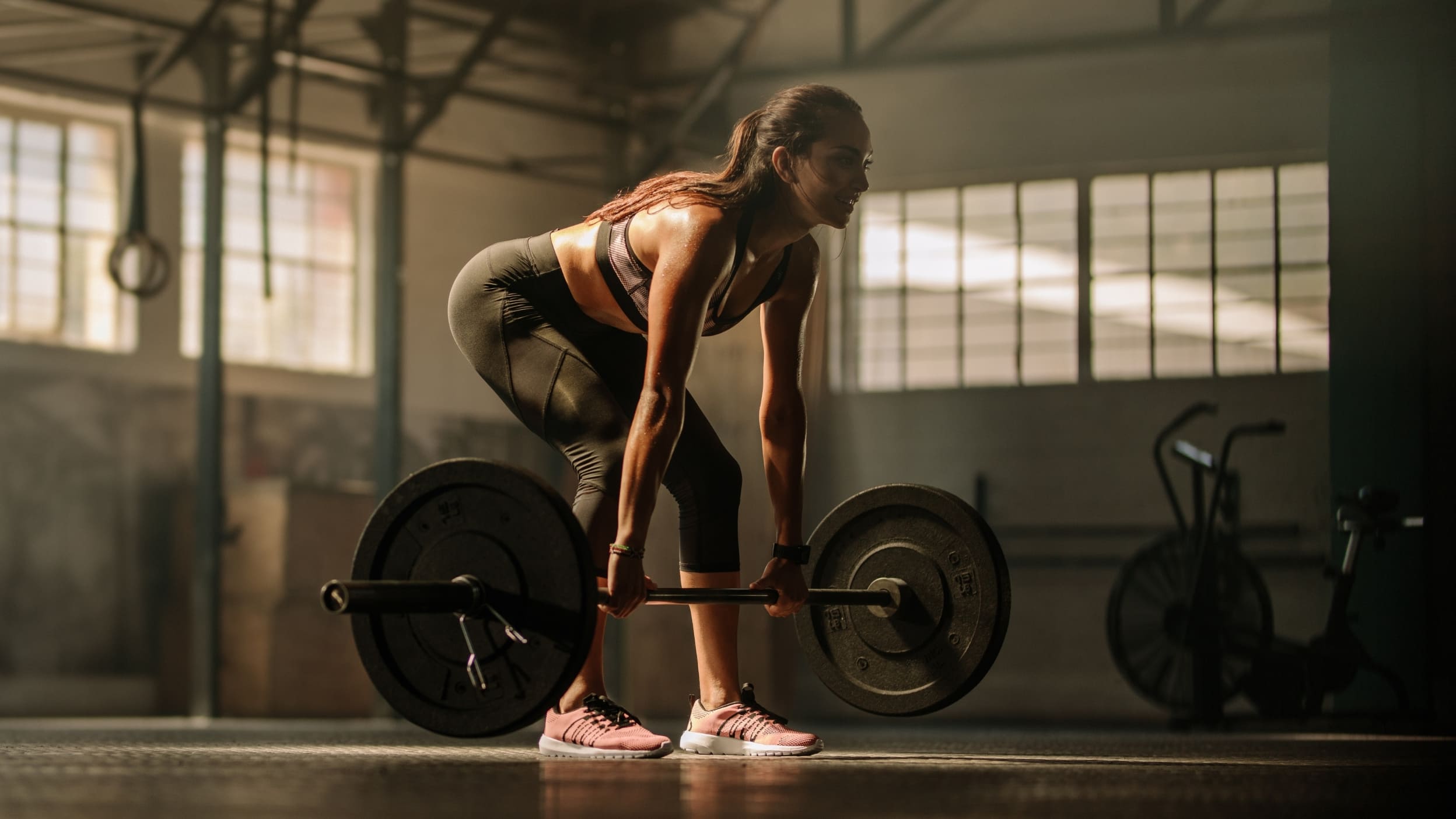
This is the true power week, the time when I feel unstoppable. Estrogen and testosterone are at their highest, boosting strength, energy, and coordination. Workouts that once felt difficult suddenly feel effortless.
This is the perfect time to lift heavier, push limits, and challenge yourself physically.
Best workouts:
- Heavy strength training and compound lifts
- Sprints or HIIT
- Competitive or team-based sports
Tips:
- Stay hydrated and eat enough to fuel performance
- Prioritize recovery post-workout with protein and electrolytes
- Use this time to schedule PRs, events, or tough sessions
This is the summer of the cycle, your time to shine. Every month, I look forward to this phase because it reminds me just how capable my body is.
Luteal Phase (Days 17–28): Slow Down and Sustain
As progesterone rises and estrogen falls, energy starts to dip. I used to dread this phase, but now I embrace it as my body’s signal to shift gears. This isn’t the time for personal records; it’s the time for consistency, stability, and care.
Best workouts:
- Steady-state cardio like cycling or hiking
- Pilates, barre, or yoga
- Moderate strength training with higher reps
Tips:
- Listen to your body’s cues and avoid overtraining
- Eat balanced meals with magnesium and fiber
- Schedule more rest and recovery days
This phase feels like autumn. I use it to tidy up routines, review my progress, and prepare for the next cycle. When I respect this slowdown, my next power week feels even stronger.
Finding Your True Power Week
Every woman has a week when everything clicks. Energy peaks, focus sharpens, and strength feels effortless. For most, this happens around ovulation, when estrogen and testosterone work together to create the perfect environment for peak performance.
I call this my power week. It usually hits between days 12 and 16 of my cycle. During that time, I feel in sync with my workouts, my creativity, and even my communication. It’s like my body and mind are firing on all cylinders.
To find your own power week, start tracking your cycle. Pay attention to your energy, performance, and motivation each day. After a few months, patterns will emerge. You’ll know exactly when your body is ready for high-intensity training and when it needs a lighter approach.
Here’s what helped me discover mine:
- I tracked my workouts, noting when I felt strongest or most tired
- I used a cycle tracking app like Clue to log symptoms and moods
- I adjusted my training intensity week by week
Once I aligned my workouts with my hormones, everything changed. I began to anticipate when I’d feel my best and plan my toughest sessions accordingly. It gave me a sense of control I never had before.
Your power week might look different from mine, and that’s okay. The beauty of cycle syncing is that it’s personal. It’s about understanding your body’s rhythm and honoring it, not trying to force someone else’s version of success.
FAQs
What is a power week in cycle syncing?
A power week is when your hormones align to create peak strength, energy, and focus. For most women, this happens around ovulation, when estrogen and testosterone are at their highest.
Can I still work out during my period?
Yes, but it’s best to focus on gentle movement. Rest, stretching, and low-impact activities can help reduce cramps and support recovery without overtaxing your body.
How do I find my own power week?
Start by tracking your cycle and how you feel during workouts for at least two months. Note when your energy spikes, your strength improves, and your mood lifts. You’ll begin to see your natural performance pattern.
Does cycle syncing really improve results?
In my experience, yes. When I started aligning my training with my hormones, I noticed better performance, faster recovery, and fewer burnout cycles. It’s all about working smarter, not harder.
Final Thoughts
Cycle syncing completely transformed my approach to fitness. Before, I used to measure progress by how hard I could push myself every day. Now, I measure it by how well I listen to my body.
Once I learned to recognize my true power week, everything clicked. I stopped comparing my low-energy days to my high-performance ones. I stopped expecting my body to operate like a machine. Instead, I started treating it like the intelligent, adaptive system it is.
Your cycle doesn’t hold you back. It reveals your strengths. When you understand it, you can train more effectively, recover more deeply, and achieve consistency without burnout.
Every phase has a purpose. The key is to honor each one and use it strategically. When you do, you’ll feel the difference not just in your workouts, but in every part of your life.
Cycle syncing showed me that my power doesn’t come from being at my best every day. It comes from knowing when to rise, when to rest, and when to trust my rhythm. That’s real strength, the kind that lasts.