Table of Contents
If you have ever noticed that your workouts feel amazing one week and nearly impossible the next, you are not imagining it. For years, I blamed myself for being inconsistent. I thought I lacked motivation or discipline because some days I could power through a tough workout and others I could barely get started. It wasn’t until I learned how to Train Like a Pro by syncing my workouts with my hormones that everything finally made sense.
It took me years to realize that my body was not the problem. My hormones were simply doing what they were supposed to do. My menstrual cycle was not working against me; I just did not know how to work with it.
Once I discovered cycle syncing, everything changed. Instead of guessing when to push or rest, I started aligning my workouts with my hormonal rhythm. The result was incredible. I gained more strength, improved endurance, and most importantly, stopped burning out.
As a coach, I see this all the time. Most women are told to train the same way every week, following a linear schedule designed for men. But women’s bodies operate on a cyclical pattern. Once you understand that, training becomes smoother, recovery feels easier, and results are more consistent.
Your menstrual cycle is your body’s built-in training guide. Learning how to use it is the secret to performing at your best.
How Hormones Affect Strength and Endurance
Throughout the month, estrogen, progesterone, and testosterone rise and fall in predictable patterns. These hormonal changes directly affect energy, recovery, and even motivation. When I learned this, it completely changed how I approached my workouts.
In the first half of the cycle, when estrogen is rising, you are naturally more insulin sensitive. This means your body uses carbohydrates more efficiently, which helps with endurance and strength. During this time, workouts feel easier, recovery is faster, and your mood is often more positive.
In the second half of the cycle, progesterone takes the lead. This hormone slightly increases body temperature and slows recovery. You might feel heavier or less powerful, but this does not mean you are getting weaker. It simply means your body needs a different kind of training.
Here is a simple way to understand the hormonal connection:
| Hormone | When It Peaks | How It Affects Training | What To Do |
| Estrogen | Follicular and ovulatory phases | Enhances strength, endurance, and recovery | Push harder and train with intensity |
| Progesterone | Luteal phase | Slows recovery, raises temperature | Focus on form, core work, and active recovery |
| Testosterone | Around ovulation | Boosts power and confidence | Try heavy lifts or personal bests |
| Low hormones | During menstruation | Energy drops, cramps possible | Rest or do light, restorative movement |
Understanding these hormonal shifts allows you to adjust your workouts instead of forcing consistency where it does not belong.
Once I stopped training against my hormones, I finally felt strong all month long.
The Best Workouts for Each Menstrual Cycle Phase
Each menstrual cycle phase offers unique physical advantages. Knowing what your body is primed for during each stage helps you train like a professional athlete.
Menstrual Phase (Days 1–5): Rest and Recovery
When your period starts, both estrogen and progesterone are low. Energy often dips, and your body benefits from gentler movement.
How I train: Yoga, walking, stretching, and slow mobility work. I listen to my energy levels and avoid high-impact exercises.
What I noticed: Allowing myself to rest during my period actually made me stronger later in the month. I recovered faster and returned to training with more energy and focus.
Follicular Phase (Days 6–13): Build and Create
As estrogen rises, energy and mood increase. This is your body’s prime time for growth, creativity, and physical challenge.
How I train: Strength training, HIIT, and new exercises that push me mentally and physically. I feel sharp and capable, so I take advantage of it.
What I noticed: My workouts feel effortless during this phase. I hit more personal records, and my recovery time shortens significantly.
Ovulatory Phase (Days 14–17): Perform and Push
This phase is when both estrogen and testosterone peak. Coordination, focus, and motivation are at their highest.
How I train: Power workouts, sprints, heavy lifting, and team-based sessions. I love training with others during this time because my social energy is strong.
What I noticed: My body feels powerful and agile. I use this phase to test my limits or schedule performance events.
Luteal Phase (Days 18–28): Stabilize and Focus
As progesterone takes over, energy levels shift and recovery slows slightly. I use this time for refining technique and maintaining consistency.
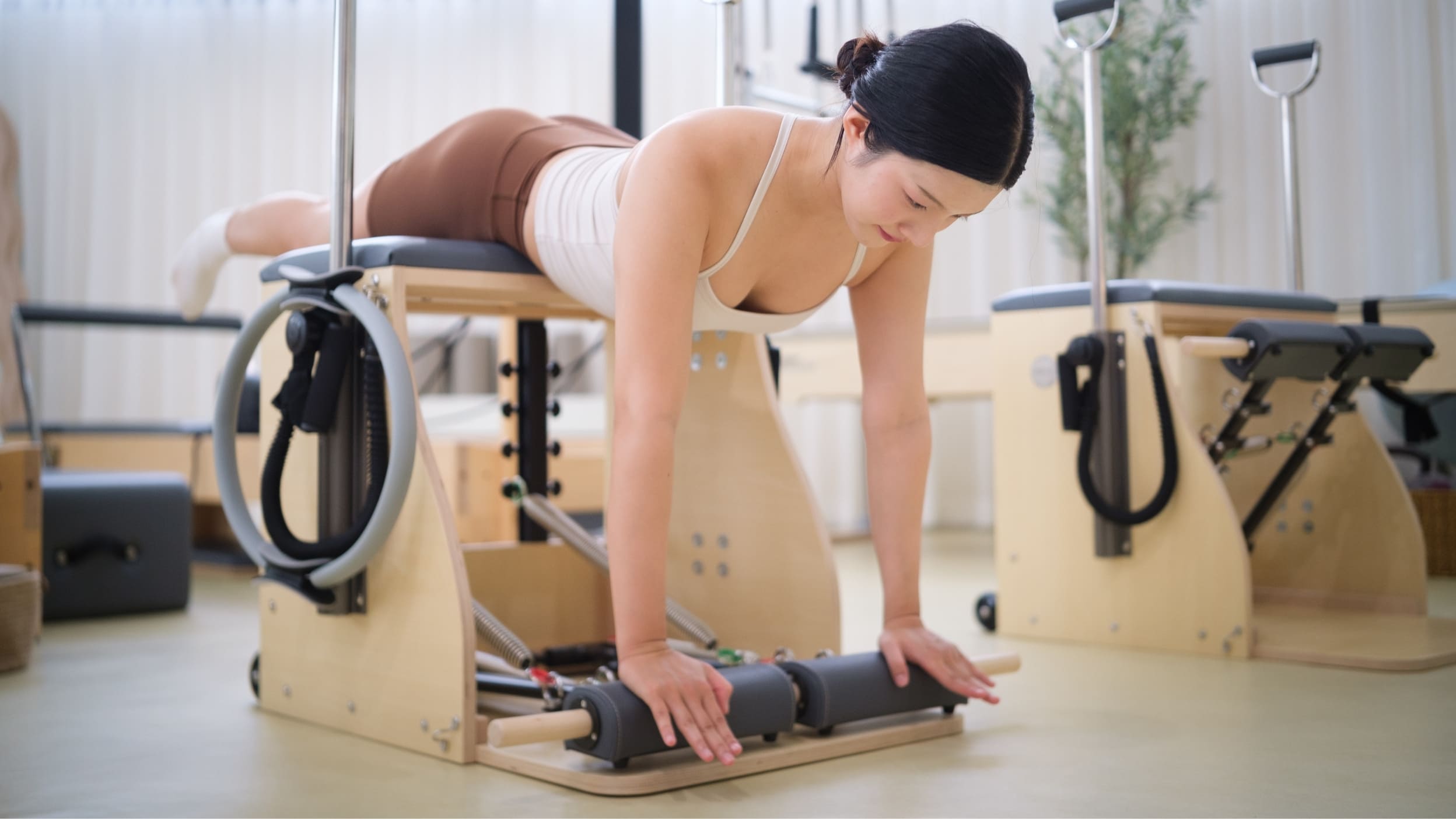
How I train: Pilates, steady-state cardio, moderate lifting, or cycling. I pay more attention to posture, balance, and control.
What I noticed: When I train gently and mindfully here, I finish the month strong instead of depleted. When I ignore my body’s cues, I feel fatigued and moody.
Once I started training this way, my body responded better than it ever had. Every phase now feels purposeful instead of unpredictable.
How Cycle Syncing Improves Performance and Recovery
Cycle syncing isn’t just a training method. It’s a strategy for longevity and balance. Before I started, I overtrained regularly, thinking more was better. Now I understand that recovery is just as important as effort.
Here is how syncing your workouts with your cycle boosts results:
- Improved muscle gains: Estrogen helps with muscle growth and joint stability, which makes strength training more effective in the follicular and ovulatory phases.
- Faster recovery: Taking rest during menstruation prevents overtraining and supports muscle repair.
- Better consistency: You stop burning out because you plan your hardest sessions when your body is naturally primed for them.
- Fewer injuries: Hormonal fluctuations can affect joint flexibility, so matching training intensity to your hormones protects you from strains.
- More motivation: Understanding why your energy changes makes it easier to stay committed instead of frustrated.
I have seen these benefits in clients and in myself. One of my clients used to dread training before her period because everything felt heavy. Once we aligned her workouts with her phases, her endurance improved and her PMS symptoms decreased. She finally felt in control of her performance.
When you honor your hormones, your body rewards you with strength, stability, and confidence.
My Experience Training Around My Cycle
When I first heard about cycle syncing, I was skeptical. I had been training for years using standard programs that made no mention of hormones. The idea that my menstrual cycle could influence my workouts seemed too personal to matter. But curiosity led me to try it.
The first month, I tracked my cycle and wrote down how my workouts felt. By the second month, clear patterns appeared. My strength peaked around ovulation. My focus was better during the follicular phase. My recovery slowed in the luteal phase. It was like discovering a secret map of my own body.
Once I adjusted my training, everything clicked. My lifts improved, my energy stayed consistent, and my mood stabilized. Instead of forcing the same intensity every week, I started following my body’s rhythm.
Now, I plan my training blocks based on my hormonal calendar. Heavy lifts and intense cardio land in the follicular and ovulatory phases. Technique work, stretching, and rest fill my luteal and menstrual weeks. The result is not only physical improvement but emotional balance too.
This approach has changed my relationship with exercise. I no longer see rest as weakness. I see it as preparation for my next breakthrough.
How to Start Cycle-Synced Workouts
Cycle syncing does not have to be complicated. Start small and build from there.
- Track your cycle. Write down the start of your period and how your body feels throughout the month. Use an app or journal to spot patterns.
- Adjust your workouts. Plan high intensity or strength based sessions during follicular and ovulatory phases. Schedule lighter workouts or rest during menstrual and luteal phases.
- Notice your energy. Track how you feel before and after each workout. Your body will tell you if you are on the right track.
- Fuel accordingly. Eat more protein during recovery phases and complex carbohydrates for sustained energy.
- Stay flexible. Stress, sleep, and nutrition can shift your cycle. Adapt your workouts without judgment.
After two or three months, you will start to see clear improvements in strength, recovery, and motivation. Your training will feel like it flows naturally instead of feeling forced.
FAQ’s About Train Like a Pro
1. How should I train during each phase of my menstrual cycle?
Train lightly during your period, increase intensity in the follicular and ovulatory phases, and focus on moderate, steady movement in the luteal phase.
2. Is it safe to train hard during the luteal phase?
Yes, but it is best to focus on consistent, moderate effort. Progesterone affects recovery, so allow more rest and avoid overtraining.
3. Can cycle syncing help prevent injuries and burnout?
Absolutely. Syncing workouts with your hormonal rhythm reduces inflammation and fatigue. It helps you recover properly and prevents overuse injuries.
Final Thoughts
Cycle syncing has completely changed the way I train and think about fitness. I used to believe that progress required pushing myself no matter how I felt. Now I know that true progress comes from listening to my body’s rhythm.
When I align my workouts with my hormones, I feel balanced, strong, and capable. There is no more guilt around rest days and no more frustration when my body needs to slow down. Every phase of my cycle has a purpose, and every type of training has its season.
Cycle syncing taught me that being in tune with my body is the most powerful performance strategy there is. When you stop fighting your biology and start working with it, everything changes. You recover better, perform better, and feel better.
You do not need to train harder to train like a pro. You just need to train smarter. Learn your cycle, trust your body, and let your hormones guide your performance.