Table of Contents
For years, I trained the same way every week and expected the same results. It was all about discipline and routine. Yet every few weeks, something changes. My energy dipped, my motivation vanished, and workouts that once felt easy suddenly drained me. I used to beat myself up for being inconsistent, wondering why I couldn’t “push through.”
When I started learning about cycle syncing, I realized I wasn’t broken. My body was following a natural rhythm that I had been ignoring. Once I began aligning my workouts with my hormonal phases, my energy returned, my strength improved, and I finally stopped fighting against myself.
Cycle syncing feels like a personal revolution because it teaches you to work with your biology instead of against it. It’s not about perfection or control; it’s about connection.
Understanding the Four Menstrual Cycle Phases
Each month, our bodies move through four distinct phases that influence energy, strength, and motivation. Knowing them changed how I approach everything from training to rest days.
Menstrual Phase (Days 1–5): Rest and Reflection
This is when the body sheds the uterine lining and hormones like estrogen and progesterone drop. Energy is low, and it’s natural to crave slower movement. I used to force myself through intense workouts during this time, but all it did was exhaust me. Now I use this phase to restore.
What works best:
- Gentle yoga or stretching
- Slow walks
- Breathwork or meditation
Movement helps relieve cramps and improve mood, but there’s no need to push. This phase reminds me that recovery is part of progress.
Follicular Phase (Days 6–13): Fresh Energy and Growth
As estrogen rises, my energy skyrockets. I feel focused, curious, and physically capable. This is when I plan my most challenging workouts. My muscles recover faster, and I feel excited to move.
What works best:
- Strength training with heavier weights
- HIIT or interval circuits
- Skill-based workouts
This phase feels like spring. It’s a time for growth, creativity, and confidence. I always notice that I naturally eat lighter and crave colorful foods. My body feels alive and open to challenge.
Ovulatory Phase (Days 14–17): Peak Strength and Confidence
This is when everything aligns. Estrogen and testosterone peak, giving me a boost in energy, coordination, and confidence. I call this my “power phase.”
What works best:
- Power training or sprints
- Group classes or team sports
- Cardio that feels energizing, not punishing
During ovulation, I love lifting heavy or doing fast-paced workouts. I feel unstoppable, but I stay mindful of overtraining because this phase can also make joints slightly more flexible. Hydration and good sleep keep me balanced.
Luteal Phase (Days 18–28): Calm Strength and Balance
After ovulation, progesterone rises, and energy begins to slow down. Early in this phase, I still feel strong, but by the final week, I prefer more grounding movement.
What works best:
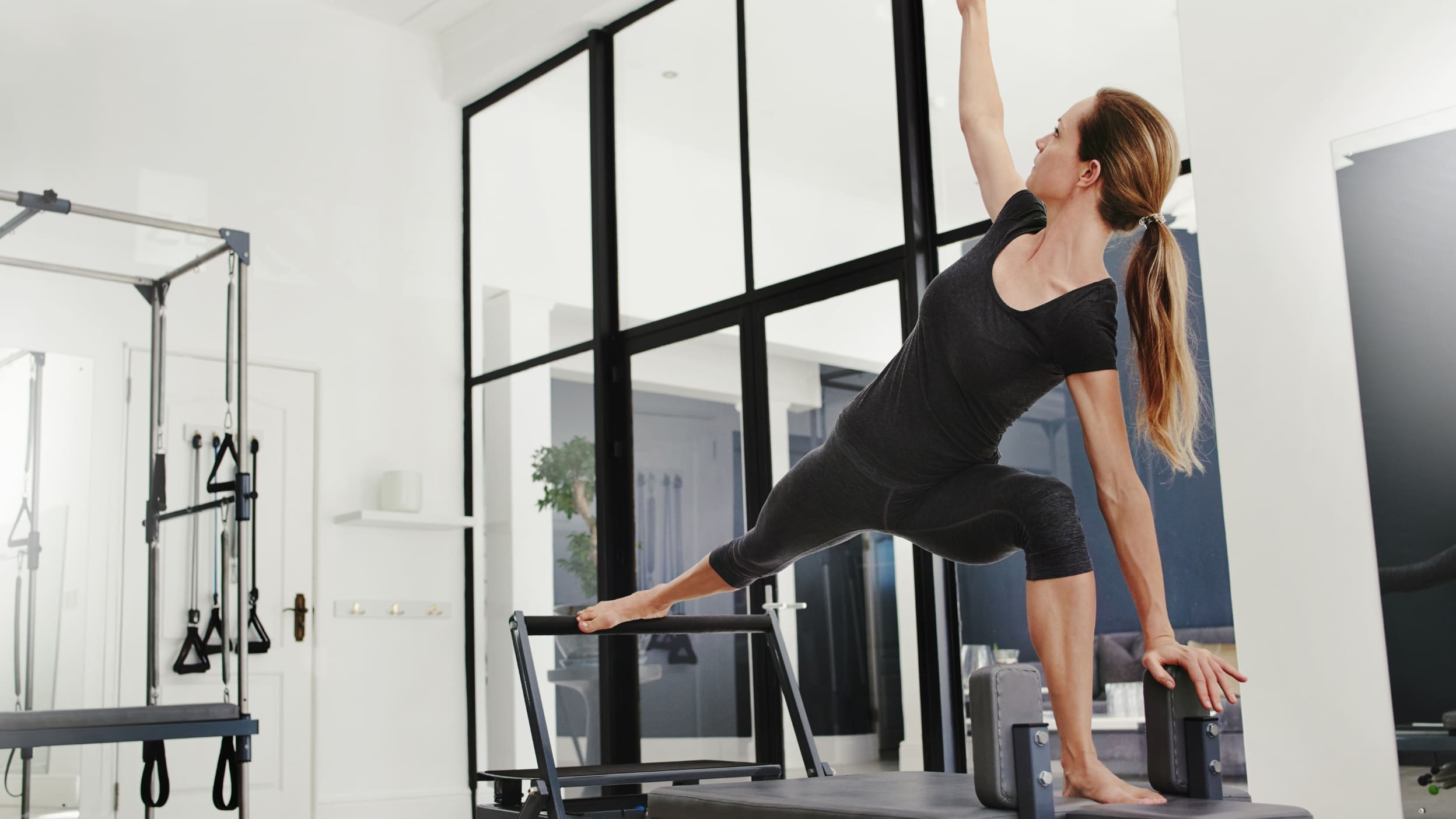
- Pilates, barre, or moderate weights
- Walking or swimming
- Restorative yoga
This is my “inner autumn,” where I slow down and turn inward. I use this time to complete projects, fine-tune my form, and reconnect with my body. My workouts feel gentler but deeply satisfying.
By understanding these four phases, I’ve learned to adjust my training instead of forcing my body into a rigid schedule. It’s the difference between thriving and burning out.
How Hormones Shape Our Emotions and Energy
The science behind cycle syncing is simple but powerful. Estrogen and progesterone are the main players, and they influence not only physical performance but also emotional balance.
When estrogen rises in the follicular and ovulatory phases, it boosts serotonin and dopamine. I feel creative, driven, and optimistic. That’s when I lift heavier, move faster, and dream bigger.
When progesterone dominates in the luteal phase, I feel calmer and more grounded. It’s a perfect time for slower workouts, deeper reflection, and self care. This hormone promotes stability but can also cause fatigue if I don’t rest enough.
During the menstrual phase, both hormones dip, and that’s when the body asks for quiet. If I listen, my mood stays steady. If I resist, I end up irritable or exhausted.
Understanding these shifts changed how I approach not only fitness but daily life. It helped me see that emotional waves are signals, not flaws.
The Moment I Realized My Moods Weren’t Random
There was a moment when this all clicked for me. I was halfway through a strength program and suddenly couldn’t finish my usual sets. My motivation was gone. I felt foggy and heavy. In the past, I would’ve pushed harder and blamed myself for being lazy.
But this time, I checked my cycle tracker. I was entering my luteal phase. My hormones had shifted, and my body was asking for a different kind of movement. Instead of ignoring it, I switched my training to lighter weights and yoga. Two days later, my energy returned.
That small shift felt like freedom. My mood swings weren’t random. They were part of a cycle that made perfect sense once I understood it.
When I started paying attention, I noticed other patterns too. My creativity peaked in the follicular phase, my communication was sharp during ovulation, and my intuition deepened in the luteal phase. Every phase had purpose.
Why Cycle Syncing Makes Women Feel Seen and Validated
For years, the fitness world told us that consistency meant doing the same thing every day. But our bodies don’t operate that way. They change, evolve, and renew monthly. When I learned to honor that, I finally felt seen.
Cycle syncing gives women permission to listen to their bodies without guilt. It reminds us that needing rest isn’t weakness; it’s wisdom. It validates the experiences most of us have but never talk about the low motivation before our period, the bursts of energy mid-cycle, the shifts in strength and mood.
When I share this concept with clients, I watch the relief wash over their faces. They realize there’s nothing wrong with them for feeling different each week. Their bodies are just following nature’s design.
How Tracking Your Cycle Builds Emotional Awareness
Tracking my cycle started as a physical experiment but quickly became emotional growth. Every day, I record how I feel energy, focus, and mood. Within two months, I saw clear patterns.
I learned when I’m most confident, when I need solitude, and when I crave connection. That awareness has helped me communicate better, schedule smarter, and take care of myself without guilt.
I also learned to anticipate emotional dips instead of fearing them. For example, if I know my luteal phase is approaching, I plan lighter workouts and give myself extra time to rest or journal. That small preparation helps me stay grounded.
The more I track, the more compassion I have for myself. I stopped labeling days as “good” or “bad.” They’re just different energies, each serving a purpose.
The Empowering Ripple Effect of Hormone Awareness
Once you start syncing your workouts, you realize it spills into everything else nutrition, sleep, relationships, even creativity.
I eat differently now. In the follicular phase, I crave fresh, vibrant foods. During the luteal phase, I want warmth and comfort, so I focus on slow-cooked meals and magnesium-rich snacks. I used to resist cravings, but now I see them as information, not failure.
My sleep also improved. When I stopped pushing myself during low-hormone phases, my cortisol levels balanced out, and I began waking up refreshed.
The biggest ripple effect has been confidence. I feel more in tune with my body, more accepting of its fluctuations. Cycle syncing isn’t about controlling your hormones; it’s about honoring them. That shift builds trust, and that trust changes everything.
Now, instead of asking, “What’s wrong with me this week?” I ask, “What is my body trying to tell me?” That question has become the foundation of my fitness and emotional health.
FAQs
1. What is the best workout for each phase of the menstrual cycle?
During the menstrual phase, focus on rest or gentle stretching. The follicular phase is perfect for strength training and HIIT. The ovulatory phase supports peak cardio and power workouts, while the luteal phase calls for moderate or restorative movement like Pilates or yoga.
2. How can cycle syncing workouts change my body?
By aligning your workouts with your hormonal rhythm, you build muscle efficiently, recover faster, and prevent burnout. It balances energy, reduces PMS, and enhances long-term consistency.
3. Why do workouts feel harder before my period?
In the late luteal phase, progesterone rises and estrogen falls, which can increase fatigue and water retention. Lighter workouts help balance your energy during this time.
4. Which phase is best for strength training?
The follicular and ovulatory phases are ideal for building muscle and improving performance because estrogen supports muscle recovery and endurance.
5. Can cycle syncing help with motivation?
Yes. Understanding your hormonal rhythm helps you schedule workouts when your motivation peaks, so you stay consistent without forcing it.
Final Thoughts
Cycle syncing workouts changed how I train, but more importantly, how I treat myself. I no longer measure progress by how hard I push but by how deeply I listen.
When I align my workouts with my cycle, I feel balanced, energized, and confident. My body performs better because I finally respect its rhythm instead of resisting it.
If you’ve ever felt frustrated by unpredictable energy or moods, try syncing your movement for one full cycle. Notice what changes. You’ll discover that your body has been speaking to you all along.
Once you learn to listen, fitness becomes freedom.
