Table of Contents
I used to think cycle syncing was just another wellness trend until I tried it myself. I’d been working out for years, but my progress was inconsistent. Some weeks I felt strong and unstoppable, while others I could barely get through a warm-up. I blamed motivation, sleep, even my pre-workout. But the truth was simpler and more biological.
Once I started tracking my menstrual cycle, I realized that my hormones were driving these changes. Cycle syncing isn’t a rigid system. It’s about aligning your fitness, nutrition, and even mindset with your natural rhythm. When you learn to read those hormonal cues, you stop fighting your body and start working with it.
What surprised me most was how empowering it felt. I no longer saw fatigue as failure. It became data, a signpost showing me how to adjust my training for better long-term results.
Why Energy Changes Throughout the Month
If you’ve ever thought, “Why do I feel so tired some days but amazing on others?” the answer is your hormones. The menstrual cycle has four main phases, and each brings unique shifts in energy, strength, and recovery.
Estrogen, progesterone, and testosterone rise and fall throughout the month, influencing everything from metabolism to mood. During the first half of the cycle, estrogen dominates, which often means you feel motivated and alert. Later, progesterone takes over, leading to slower recovery and lower endurance.
Once I understood this, I stopped labeling myself as inconsistent. Those dips in motivation were part of a natural cycle. And once I worked with that rhythm, my training stopped feeling like an uphill battle.
The Four Phases of the Menstrual Cycle
Here’s a simple overview of the menstrual cycle and phases, what happens hormonally, and how it affects your movement and mindset.
| Phase | Days (approx.) | Key Hormones | How You Might Feel | Best Movement |
| Menstrual | 1–5 | Low estrogen and progesterone | Fatigue, cramps, emotional sensitivity | Gentle yoga, walking, stretching |
| Follicular | 6–13 | Rising estrogen and testosterone | Energetic, focused, optimistic | Strength training, HIIT, running |
| Ovulatory | 14–16 | Estrogen peaks | Strong, social, confident | Heavy lifting, dance, cardio bursts |
| Luteal | 17–28 | High progesterone | Tired, bloated, introspective | Pilates, mobility, low to moderate weights |
No two cycles are identical. Stress, travel, diet, and sleep can shift these windows slightly. The key is observation. Once you track your own cycle for a few months, you’ll begin to see clear patterns unique to you.
How Hormones Influence Fatigue and Performance
In my experience, the biggest game-changer was understanding how hormones affect muscle performance and recovery. When estrogen is rising, your body utilizes carbohydrates efficiently, you recover faster, and training feels easier. That’s why follicular and ovulatory phases often feel like peak performance windows.
During the luteal phase, things change. Progesterone increases body temperature and slows recovery. I used to feel frustrated when my runs felt harder or my lifts felt heavier. Now I know it’s not mental weakness, it’s physiology. My body needs more rest, hydration, and calories to perform well in this phase.
This awareness helped me avoid burnout. Instead of forcing intense workouts, I learned to shift to lower impact movement. Over time, my strength actually improved because I wasn’t constantly training in a depleted state.
Training Smart Through Each Phase
Menstrual Phase Restorative Movement
This is the time I prioritize rest and gentle movement. Early in my fitness journey, I pushed through fatigue thinking I’d lose progress if I took it easy. Now I know that this phase is when my body needs the most recovery. I do gentle yoga, long walks, or mobility work. Sometimes I take two full rest days and focus on sleep. It always pays off later in the month when my energy rebounds quickly.
Follicular Phase Power and Progress
This is my favorite phase. My energy starts climbing, motivation returns, and training feels fun again. I use this window to challenge myself with new routines, increase weights, or add explosive movements like jump squats or sprints. Estrogen supports muscle repair, so my body recovers well even after heavy sessions. Mentally, I feel creative and sharp, so I often plan new goals during this phase.
Ovulatory Phase Peak Output
This is when I feel unstoppable. Coordination, focus, and endurance are all high. I usually hit my heaviest lifts or toughest circuits here. However, I stay mindful of joint stability because higher estrogen can make ligaments more flexible. I warm up thoroughly and stay hydrated. Social workouts are perfect now too because confidence and communication are naturally elevated.
Luteal Phase Strategic Slowdown
This phase can be tricky. I used to get frustrated when I felt sluggish, but now I treat it as my body’s built-in deload period. My training shifts to moderate intensity: Pilates, resistance bands, or slower strength sessions. I focus more on form than volume. I also give myself permission to scale back without guilt. That mindset shift alone helped me stay consistent year-round.
Cycle Syncing for Fatigue Days My Real-World Method
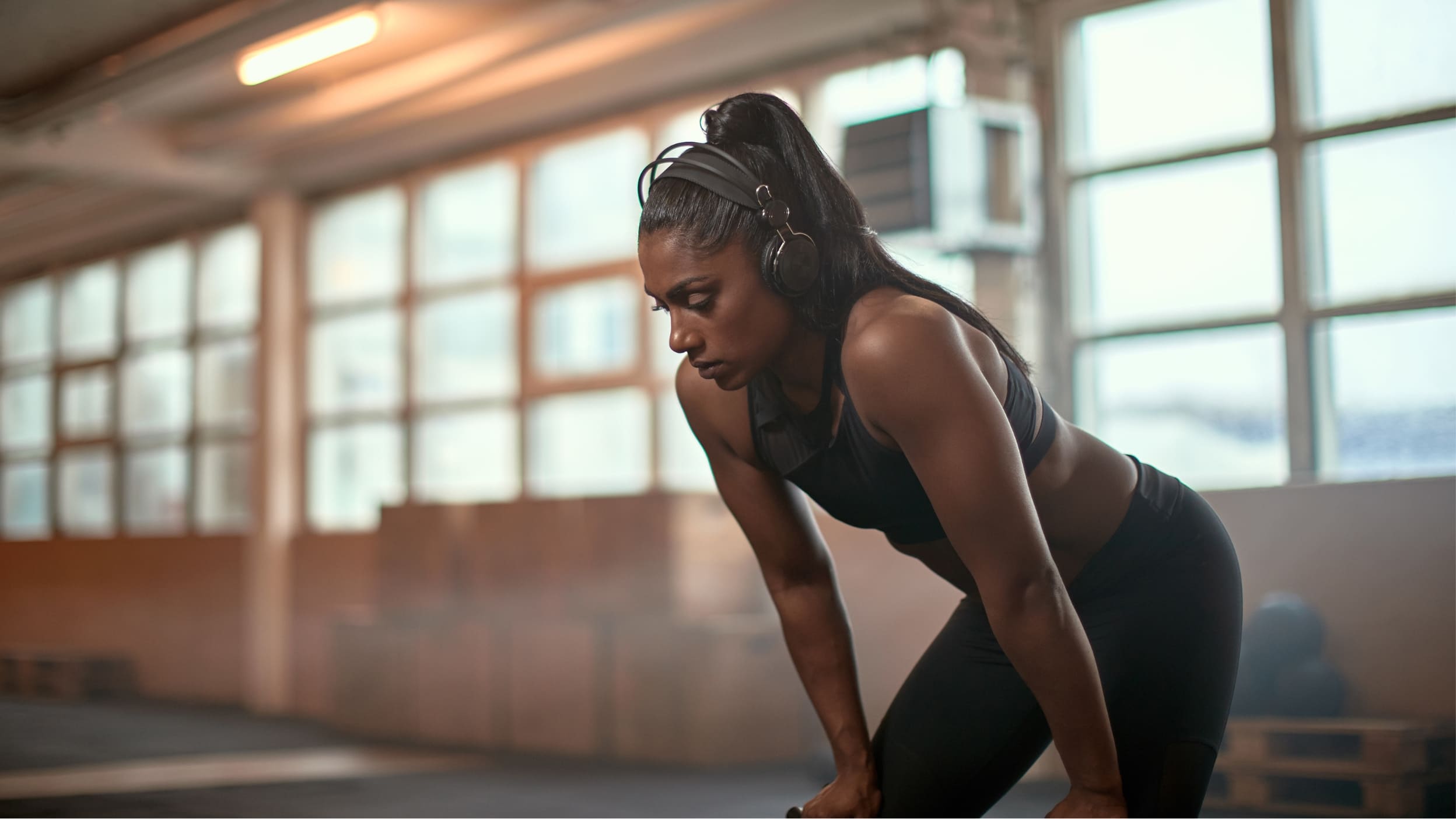
Fatigue days used to derail my entire week. Now they’re part of my plan.
Here’s how I manage them:
- Micro-Sessions Instead of Marathons
When my energy dips, I don’t skip movement entirely. I’ll do a 15 to 20 minute “movement snack” like bodyweight strength or mobility flow. It keeps my body active without draining energy. - Track Symptoms, Not Just Dates
Tracking isn’t just about marking start and end days. I note mood, sleep quality, cravings, and focus levels. These small details help me anticipate energy changes and plan around them. - Support With Nutrition
On low-energy days, I focus on stabilizing blood sugar with protein-rich meals and magnesium-heavy snacks like pumpkin seeds and dark chocolate. These small adjustments make a real difference in energy. - Redefine Rest
Rest used to make me feel guilty. Now I view it as active recovery. A foam rolling session, hot bath, or extra hour of sleep all count as productive training tools. - Adjust Goals, Not Motivation
I plan my high-intensity sessions during high-energy phases and keep my goals flexible during low-energy days. Progress over a month matters more than one tough workout.
Cycle syncing helped me become more consistent because I stopped fighting my biology. I learned that training success isn’t about pushing hard all the time; it’s about showing up wisely.
Nutrition, Recovery, and Self-Care Tips by Phase
| Phase | Nutrition Focus | Recovery & Self-Care |
| Menstrual | Iron-rich foods, hydration, anti-inflammatory meals | Rest, gentle stretching, hot baths |
| Follicular | Protein and complex carbs, colorful vegetables | Sleep optimization, creative planning |
| Ovulatory | Light, antioxidant-rich meals | Cold showers, social activities |
| Luteal | Complex carbs, magnesium, fiber, hydration | Earlier bedtime, journaling, slower evenings |
Nutrition and recovery play an equally important role as training. I’ve found that focusing on small habits like staying hydrated, eating balanced meals, and prioritizing rest makes a bigger difference than strict calorie counting ever did.
I also recommend syncing social plans and work projects with your cycle when possible. The follicular and ovulatory phases are great for high-energy collaboration, while the luteal and menstrual phases are ideal for reflection and deep focus.
FAQs About Training and the Menstrual Cycle
Which menstrual cycle phase causes the most fatigue?
Most women notice fatigue during the luteal phase, especially the week before bleeding starts. This is when progesterone peaks, body temperature rises, and recovery slows.
How can cycle syncing help me train on low-energy days?
Cycle syncing helps by adjusting intensity instead of stopping altogether. Low-impact movement and proper recovery keep you consistent without draining your system.
How do I know which days are best for rest or movement?
Start tracking your cycle for a few months. You’ll notice patterns in energy, mood, and motivation. Once you recognize them, plan rest days around those natural dips instead of random dates.
Can I still make progress if I train less intensely during certain phases?
Absolutely. Training in sync with your hormones prevents burnout and overtraining. The quality of effort over time matters more than intensity on a single day.
Final Thoughts
Cycle syncing changed how I see my body. Instead of pushing against it, I learned to move with it. Every phase now has a purpose, and even my fatigue days feel meaningful.
Understanding your menstrual cycle isn’t just about exercise; it’s about building trust with your body. The more I paid attention, the more predictable and manageable everything became. Energy, mood, focus, and cravings all started to make sense.
If you’ve been stuck in a pattern of pushing hard and burning out, this approach can be the shift you need. You’ll train smarter, feel stronger, and move through each month with awareness instead of resistance.
So next time you wake up tired, don’t see it as a setback. It’s your body’s signal to pivot, not quit. And that’s what truly makes fatigue days trainable.