Table of Contents
A few years ago, I hit a wall. My motivation felt unpredictable, my focus came and went, and my “get stuff done” days seemed random. I’d have weeks where I was full of energy, writing proposals, running meetings, and solving problems with sharp clarity, and then suddenly, I’d crash.
As someone who prided herself on being organised and high performing, it drove me crazy. I kept blaming my diet, my workload, even my discipline. But deep down, I knew something else was going on.
Then one day, after logging yet another “unproductive” week, I realised the pattern wasn’t random, it was cyclical. The days I felt sharp and unstoppable often came right after my period. The ones where I wanted to cancel every meeting usually came just before it.
That realisation changed everything. I started tracking my menstrual cycle not for fertility or health, but to understand my work performance. Within three months, I saw a clear connection between my hormones and my productivity.
And here’s what truly surprised me: tracking my cycle didn’t just help me manage PMS, it helped me manage my performance.
It gave me something I’d been missing for years, permission to work with my body, not against it.
How Hormones Shape Your Productivity
Our hormones are like invisible project managers, quietly running the show behind the scenes. Estrogen, progesterone, and testosterone don’t just control reproductive health, they influence motivation, creativity, confidence, and focus.
When estrogen rises after your period, your brain’s prefrontal cortex, the part responsible for focus and decision making, becomes more active. This is why the follicular and ovulatory phases often feel like “power weeks.” You think faster, communicate better, and take bold action naturally.
Then comes the luteal phase, when progesterone rises. Your focus shifts inward, and you become more reflective, detail oriented, and analytical. During the menstrual phase, when hormone levels dip, your body calls for rest and recalibration.
Once I began honouring these patterns, my workflow completely transformed. Instead of pushing myself to be “on” all the time, I started structuring my weeks around what my hormones were naturally supporting. The result was more output with less burnout.
The Four Phases of the Menstrual Cycle and Work Performance
| Phase | Hormonal Highlights | Work Strengths | Ideal Tasks |
| Menstrual (Days 1–5) | Estrogen and progesterone are low | Reflection, clarity, planning | Review projects, analyse data, reset priorities |
| Follicular (Days 6–14) | Estrogen rises | Creativity, confidence, focus | Brainstorm, launch new ideas, problem solve |
| Ovulatory (Around Day 14) | Estrogen peaks | Communication, collaboration | Networking, presentations, high visibility work |
| Luteal (Days 15–28) | Progesterone dominates | Organisation, attention to detail | Deep work, editing, system building |
For years, I fought my low energy luteal days, pushing harder and ending up exhausted. Now, I treat them as my “refinement” phase, perfect for wrapping up projects, reviewing data, or organising systems.
It’s not about doing less, it’s about doing differently.
How to Sync Your Schedule with Your Hormonal Cycle
Syncing your work schedule with your cycle doesn’t mean your career has to revolve around your period. It means being strategic, understanding your body’s natural rhythm, and aligning tasks accordingly.
Here’s how I’ve built a system that works:
Track Your Cycle
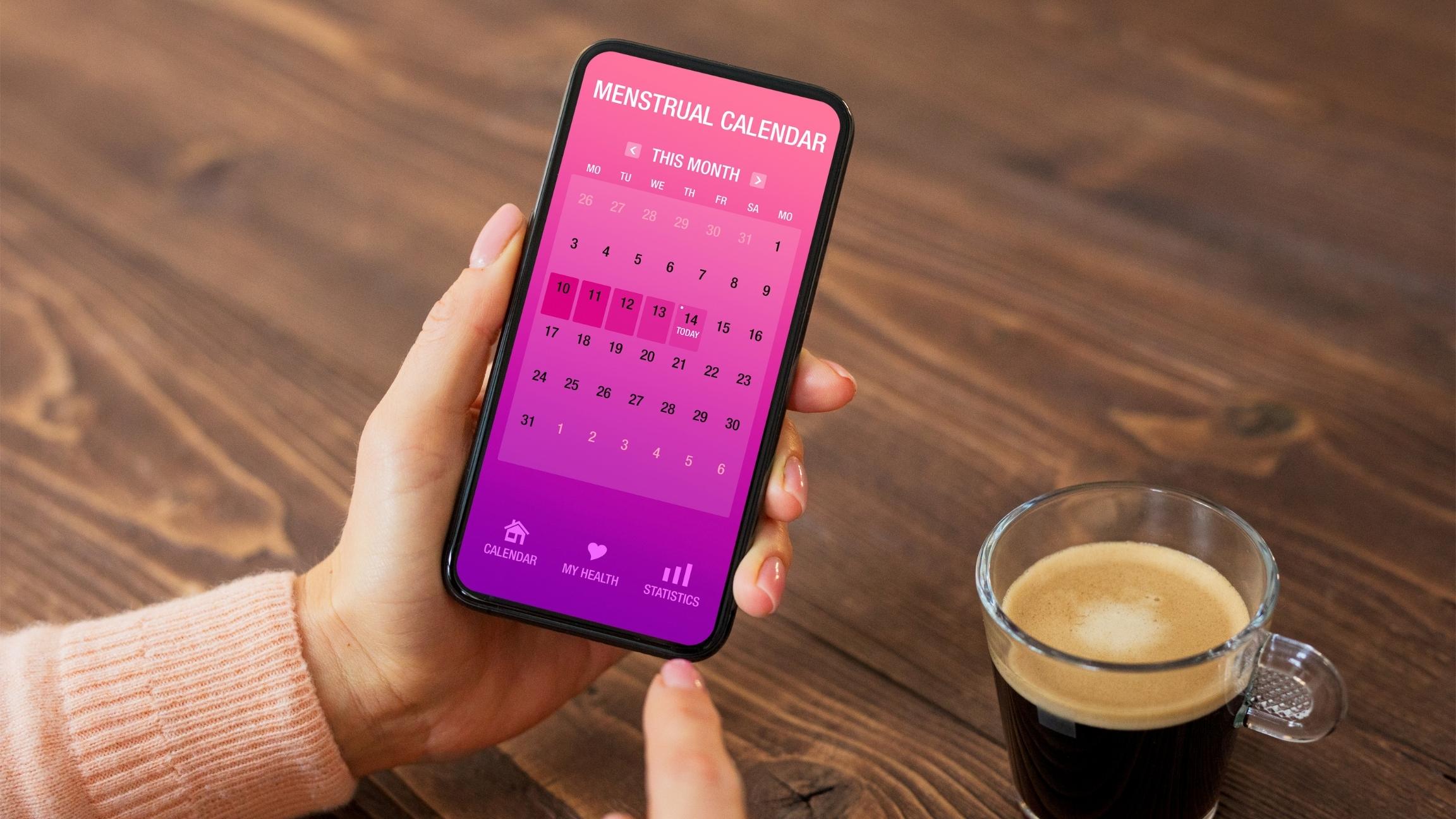
Start by using a menstrual tracker app or a simple journal. Record when your period begins and ends, and note energy levels, mood, focus, and motivation. Within two or three months, patterns will become clear.
Plan Around Your Power Phases
Your follicular and ovulatory phases are your most energetic. This is when I schedule brainstorming sessions, presentations, and big launches. It’s my “go” time for visibility and creative output.
Protect Your Recovery Phases
During your luteal and menstrual phases, focus on solo work and maintenance tasks. This is my time for deep writing, strategy reviews, and administrative catch up. If I’m low on energy, I prioritise rest without guilt.
Build Flexibility into Deadlines
Instead of holding myself to rigid weekly expectations, I use rolling goals that shift slightly with my cycle. That’s been the secret to reducing burnout while still delivering high quality work.
When you sync your schedule this way, your productivity stops being unpredictable and becomes rhythmic.
What the Science Says About Cycle Syncing and Focus
Cycle syncing isn’t a wellness fad; it’s grounded in neuroscience. Research from journals like Frontiers in Behavioral Neuroscience and Psychoneuroendocrinology shows that hormonal fluctuations throughout the menstrual cycle can influence memory, stress response, and cognitive performance.
For example, estrogen enhances synaptic plasticity, the brain’s ability to form new connections. That’s why you often feel more mentally sharp and confident mid cycle. Progesterone, meanwhile, has a calming effect, helping with long term planning and introspection but sometimes lowering reaction time and alertness.
These findings align perfectly with what I’ve observed in my coaching work. When women align their workflows with hormonal patterns, they report higher satisfaction, fewer energy crashes, and significantly less self criticism.
When you stop expecting yourself to perform like a machine, you unlock a sustainable form of productivity that actually respects your biology.
Real World Strategies for Managing Energy at Work
You don’t need to overhaul your entire routine to make this work. Small adjustments can create major shifts in how you feel and perform.
- Batch work by energy level. Schedule high energy, social tasks like pitches, meetings, or creative sessions during the follicular and ovulatory phases.
- Use low energy days wisely. During the luteal or menstrual phase, focus on editing, research, and quiet creative work.
- Communicate boundaries early. You don’t have to mention your cycle, but you can say, “This week’s better for deep work; can we push meetings to next Monday?”
- Review patterns monthly. I keep a “Cycle and Energy Log” in Notion, rating each day from 1 to 5. Over time, I’ve learned to predict my flow with almost uncanny accuracy.
- Redefine productivity. It’s not about doing everything every day; it’s about doing the right things at the right time.
Cycle syncing for productivity isn’t about control or perfection. It’s about awareness. Once you understand the rhythm, you can navigate it instead of resisting it.
Best Apps for Tracking Your Cycle and Energy
If you’re ready to start, here are a few menstrual tracker tools that actually support professional and wellness goals:
- Clue Clean interface, science based, and tracks energy and mood alongside cycle data.
- Natural Cycles FDA cleared and integrates seamlessly with wearable devices like the Oura Ring.
- Flo Great for logging symptoms, emotional patterns, and daily productivity levels.
- Notion or Excel template Customise your own “Cycle Productivity Planner” with columns for creativity, focus, and social energy.
- I’ve used all four, but the best app is the one you’ll actually stick with consistently.
Nutrition Tips for Sustained Productivity
Your diet plays a key role in hormonal balance and mental clarity.
Here’s how I support my focus through each phase:
| Phase | Key Nutrients | Productivity Benefits |
| Menstrual | Iron, magnesium, hydration | Reduces fatigue, restores focus |
| Follicular | Protein, vitamin C, leafy greens | Boosts recovery and brain clarity |
| Ovulatory | Antioxidants, omega 3s | Supports mental sharpness and communication |
| Luteal | Complex carbs, B vitamins, fibre | Stabilises mood, reduces cravings |
Simple swaps make a big difference, like adding spinach and citrus to breakfast during your follicular phase or focusing on magnesium rich foods such as almonds or dark chocolate before your period.
Even caffeine timing matters. Cutting back a few days before your period often prevents the mid day crash and anxiety spike that caffeine can trigger during low progesterone days.
FAQs
Does tracking my menstrual cycle really help improve focus and productivity?
Yes. Tracking your cycle helps you anticipate hormonal changes that influence your focus and motivation. You’ll know when to plan intense work sessions versus when to rest or regroup.
Can cycle syncing help reduce burnout or stress at work?
Absolutely. By aligning work with your natural energy flow, you avoid overexertion during low phases. This lowers cortisol, stabilises mood, and fosters long term consistency.
Which menstrual cycle phase is best for creative work?
The follicular phase is ideal for creativity and innovation due to rising estrogen levels that enhance cognitive flexibility, curiosity, and confidence.
How long does it take to see results from cycle syncing?
Most women notice patterns after two to three cycles. Within a few months, you’ll likely see improved focus, fewer crashes, and a stronger sense of balance.
Final thoughts
Tracking my cycle taught me something no productivity system ever could: my body isn’t unpredictable, it’s intelligent.
Some months still catch me off guard. Stress, travel, or sleep can shift the rhythm. But instead of seeing those changes as problems, I see them as messages. My body isn’t working against me; it’s communicating with me.
Cycle syncing isn’t about control, it’s about collaboration. When you align your workflow with your biology, you stop chasing balance and start living it.
Work feels smoother, energy feels more sustainable, and success starts to feel more like harmony than hustle.
If you’ve ever wondered why some weeks you’re unstoppable and others you’re dragging, don’t write it off as inconsistency. It’s your body’s rhythm, waiting to guide you toward your most productive self.
Start tracking. Start noticing. And watch how your work and your well being begin to transform.