Table of Contents
If there’s one thing I’ve learned after years of coaching women Follicular Phase through their cycles, it’s this: timing changes everything.
The same workout that feels impossible one week can feel effortless the next, and it’s not your imagination. It’s your hormones.
Once I started syncing my workouts with my menstrual cycle, the follicular phase quickly became my favourite. It’s that sweet spot after your period when your energy lifts, your mood stabilises, and your motivation feels brand new.
If you’ve ever wondered, “What exercise should I actually do during my follicular phase?” This guide is for you.
Understanding the Follicular Phase
The follicular phase begins right after your period ends and lasts until ovulation, roughly days 6 to 14 of a typical cycle.
During this time, oestrogen starts rising, which boosts serotonin, energy, and motivation. Most women feel lighter, clearer, and more optimistic. Your body is preparing to create and release an egg, so it’s primed for growth and progress.
In my own training, I call this my “build and explore” phase. I feel ready to lift heavier, run faster, or try new routines I’d never attempt during my luteal phase. It’s the perfect time to set goals, test new movements, and enjoy your body’s natural drive.
Why Exercise Feels Easier During This Phase
When estrogen rises, your body becomes more efficient at burning carbohydrates, increasing pain tolerance, and enhancing recovery.
I often notice that my clients report better stamina and mood, with workouts that once drained them suddenly feeling energising.
There’s also a mental shift. The brain’s reward centres respond more strongly to dopamine during this phase, making motivation easier to sustain. That’s why it’s a great time to
- Start a new training program
- Increase your workout intensity
- Challenge your coordination or learn new skills such as yoga inversions or dance routines
When you understand how your hormones support training, you stop fighting fatigue and start using biology to your advantage.
Best Workouts for the Follicular Phase
This is the phase to build, explore, and expand. Focus on strength, endurance, and movement variety.
Strength Training
This is your prime window for progressive overload.
I usually increase weights or reps during this phase because muscle recovery and energy output are at their peak.
Examples: squats, deadlifts, pull-ups, compound lifts, or bodyweight circuits.
Cardio and Endurance
Estrogen helps your body access stored glycogen, meaning endurance training feels more efficient.
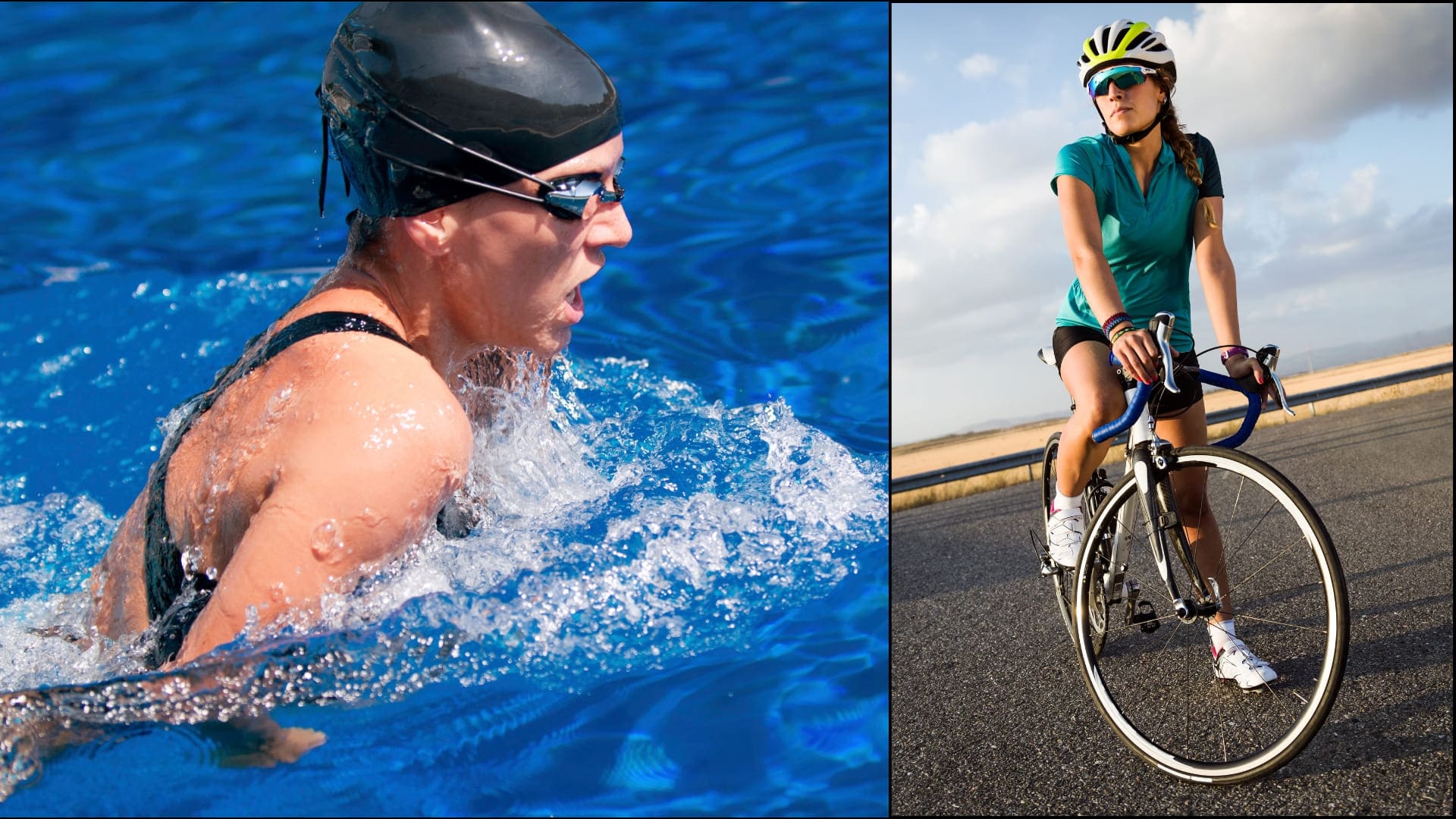
Try interval runs, spin classes, rowing, or hiking.
Group or Skill-Based Classes
If you’re craving social energy, this phase supports connection and playfulness.
Good options include dance, Pilates, boxing, or CrossFit.
Mobility and Recovery
Don’t skip mobility work; it keeps joints healthy as you ramp up training.
Include dynamic stretching, foam rolling, and yoga flows.
| Goal | Type of Workout | Intensity | Ideal Days |
| Build muscle | Strength training | Moderate-high | Days 6–10 |
| Boost endurance | Interval/cardio | Moderate | Days 8–12 |
| Learn new skills | Group or sport-based | Moderate | Days 10–13 |
| Active recovery | Yoga or stretching | Low | Any day |
I encourage women to experiment. Some prefer a strong mix of HIIT and weights, while others thrive with a focus on power and mobility. The key is to use your rising hormones to amplify results without burnout.
How to Structure a Follicular Phase Training Week
Here’s a simple weekly structure I use with my clients
| Day | Workout Type | Focus |
| Monday | Strength | Compound lifts |
| Tuesday | Cardio | Intervals or cycling |
| Wednesday | Mobility or Active Recovery | Yoga or walk |
| Thursday | Strength | Upper body or total body |
| Friday | Skill Class | Boxing, dance, or HIIT |
| Weekend | Rest or light outdoor activity | Reset and reflect |
During this phase, I aim for four to five workout days with one rest or mobility day in between.
Listen to your body. If your period ended later or you feel fatigued, scale intensity slightly. The goal isn’t to push harder but to work smarter with your hormones.
I also like tracking perceived exertion. If a workout that normally feels like a 7 out of 10 suddenly feels like a 5, that’s a good sign you’re in sync with your follicular energy curve.
Nutrition Tips to Support Performance
Your metabolism is slightly lower during the follicular phase, which means you can thrive on lighter, fresher foods.
I focus on meals that fuel energy without heaviness.
Favour
- Lean proteins such as chicken, fish, and eggs
- Whole grains such as quinoa and brown rice
- Colourful vegetables and citrus fruits
- Iron-rich foods to replenish post-period losses
- Omega-3s for inflammation balance
What I Avoid
- Excess caffeine, which can spike cortisol
- Processed sugar that disrupts insulin balance
Hydration is crucial. Rising estrogen can sometimes mask thirst cues. I like to infuse my water with lemon or mint to keep it interesting.
For snacks, I recommend pairing carbs with protein to stabilise blood sugar. Think apple slices with nut butter or hummus with veggies. These small shifts make a big difference in energy consistency.
Common Mistakes to Avoid
- Overtraining too early
Some women jump into high intensity right after bleeding ends before energy fully rebounds. Ease in over two to three days. - Neglecting rest
Just because energy rises doesn’t mean recovery is optional. Your muscles still need adequate sleep, hydration, and nutrition. - Ignoring individual variation
Stress, travel, and poor sleep can delay follicular recovery. I’ve had clients feel like they’re still “in luteal mode” a few days longer, so honour that. Your body’s rhythm is personal, not textbook. - Skipping tracking
Use a journal or app to note when you feel strongest or most creative. Over time, you’ll see patterns that let you predict your best training windows.
How Stress and Sleep Influence Hormonal Training
I’ve noticed a clear pattern over the years: when women are sleep-deprived or under chronic stress, their cycles blur. Hormonal training becomes less predictable because cortisol, your stress hormone, interferes with oestrogen and progesterone balance.
If your workouts feel flat during your follicular phase, it’s not always your plan, it might be your recovery. Prioritise 7–9 hours of quality sleep, and if you’re tracking HRV with a wearable like Oura or Garmin, use it to gauge readiness.
When HRV drops, swap a high-intensity day for yoga or mobility. Progress is not lost; it’s preserved. Sometimes the best follicular workout is simply listening to your body before loading it.
Stress also affects appetite and recovery. When cortisol spikes, inflammation rises and muscle repair slows. A simple mindfulness practice or 10-minute walk post-work can calm your nervous system and keep hormones in harmony.
FAQs
How long should follicular phase workouts last?
Most women thrive on 45–60 minute sessions, but intensity matters more than duration. Focus on quality reps and full recovery instead of chasing time.
Can I do HIIT during my follicular phase?
Yes, but strategically. Early follicular, right after your period, is ideal for steady cardio, while mid-follicular is perfect for HIIT or circuit sessions once your energy peaks.
What if my cycle isn’t regular?
Cycle syncing isn’t about perfection; it’s about awareness. Track your energy, mood, and temperature to notice patterns, even if your timing varies month to month. The goal is to observe and respond, not control every detail.
Final thoughts
Every time I enter my follicular phase, I feel like I’m meeting my body again, refreshed, motivated, and ready to grow.
I’ve coached hundreds of women through this rhythm, and the lesson is always the same: progress isn’t just about discipline; it’s about timing.
When you train in sync with your hormones, fitness stops being punishment and becomes partnership.
You move with your biology, not against it, and suddenly, your workouts start feeling like home.