Table of Contents
When women ask me when they should start a new fitness plan, I always smile and say, “Right after your period.” That’s not a motivational slogan, it’s biology. The follicular phase is what I call your power phase, a window where your hormones naturally prime you for growth, confidence, and performance.
I’ve seen women go from exhausted and frustrated to energised and consistent simply by training with their hormones, not against them. Cycle syncing fitness isn’t about restrictions or rigid schedules, it’s about rhythm. Once you learn to harness the follicular phase, your workouts start to flow again.
Understanding the Follicular Power Phase
The follicular phase begins right after your period ends, typically around days 6 to 14 in an average 28-day cycle. I like to think of it as springtime for your body. Hormones that dipped during menstruation start climbing again, particularly estrogen and follicle-stimulating hormone (FSH).
These hormonal shifts do more than regulate fertility. They impact your mood, motivation, muscle growth, and recovery. Most women notice a natural lift in energy, clearer thinking, and a brighter outlook. It’s not in your head, it’s your hormones doing what they’re designed to do.
When I first started syncing my workouts to my cycle, I realised this phase was when I naturally craved intensity and challenge. Lifting heavier weights, trying new classes, or setting personal records felt effortless compared to other phases.
What Happens to Your Hormones During This Phase
Let’s break it down simply. During the follicular phase:
- Estrogen rises, improving your ability to use glucose and fat for fuel
- Testosterone peaks mid-phase, boosting strength and competitiveness
- Progesterone remains low, which means fewer bloating or sluggish days
This combination supports muscle building, sharper focus, and faster recovery. Your nervous system is primed for performance, and your metabolism runs efficiently.
When I coach women, I always encourage them to pay attention to how quickly they recover during this time. It’s often twice as fast compared to their luteal or menstrual phases. That’s why starting new workout programs here feels easier to sustain.
Why the Follicular Phase is the Best Time to Start New Workouts
If you’ve ever wondered why some weeks you’re unstoppable in the gym and others you can barely drag yourself there, hormones are the answer.
The follicular phase is your body’s green light for new challenges. Estrogen acts almost like a natural pre-workout, enhancing coordination, energy, and motivation. Your brain’s reward centre becomes more responsive to dopamine, the neurotransmitter that fuels excitement and focus.
This is why I call it the “yes” phase. It’s the perfect time to:
- Try a new workout plan or personal trainer
- Increase your weights or intensity
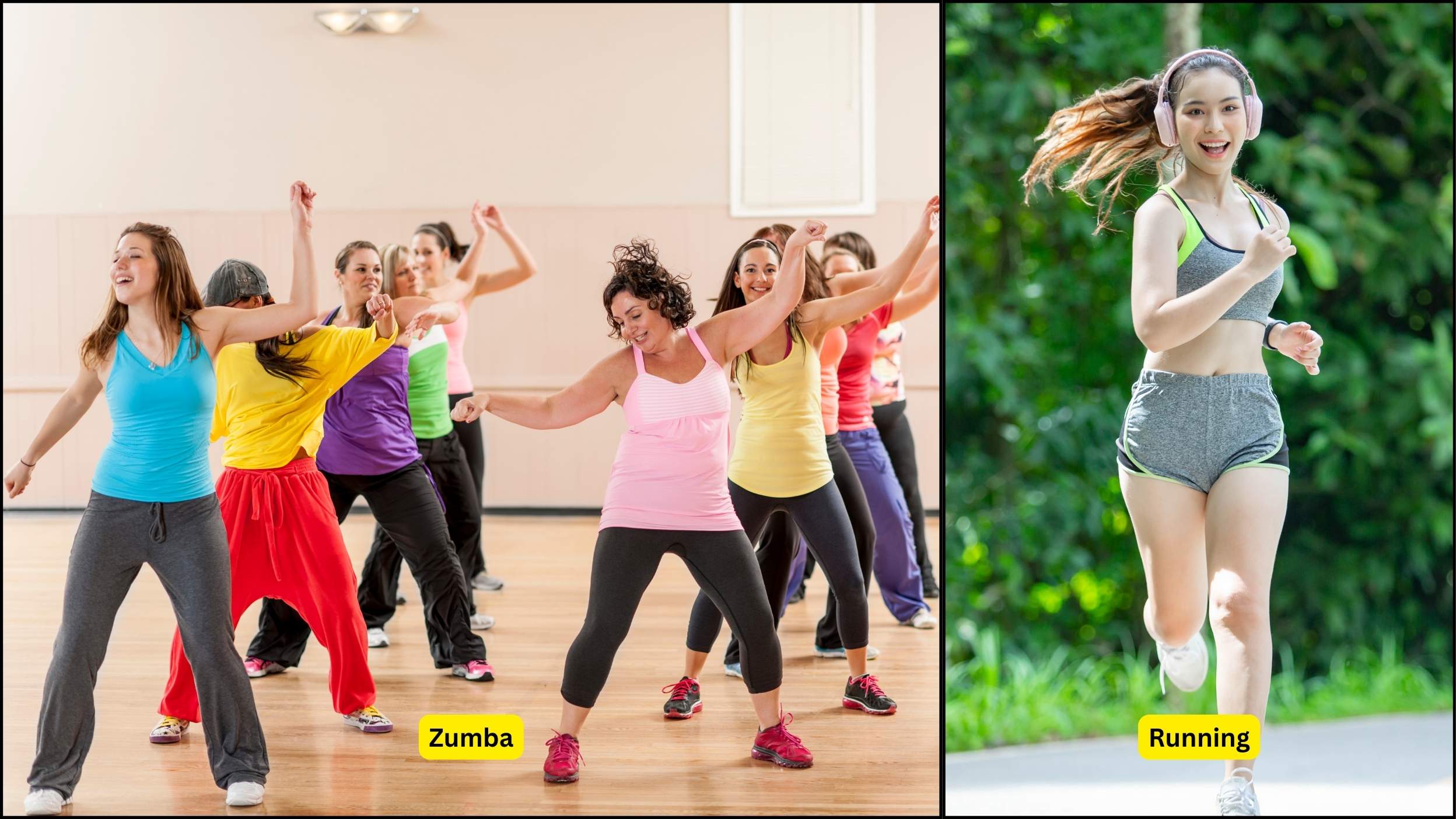
- Join group classes or social workouts
When one of my clients, Emma, started training according to her cycle, she scheduled her strength training block during the follicular phase. Her consistency skyrocketed, and she finally broke her long-standing plateau without burning out.
The Best Types of Workouts During the Follicular Phase
You don’t need to overhaul your entire routine. You just need to align it.
Here’s what I recommend during this high-energy window:
| Workout Type | Why It Works |
| Strength Training | Elevated testosterone supports muscle growth and power. |
| HIIT or Cardio Intervals | Estrogen enhances oxygen delivery and endurance. |
| Skill-Based Training | Your brain is more adaptable, perfect for new movements or choreography. |
| Group Fitness or Sports | Confidence and sociability peak, making teamwork enjoyable. |
I usually plan my own heaviest lifting sessions in this phase, squats, deadlifts, compound work, then taper down once ovulation approaches. It’s about working smarter, not harder.
How Estrogen Affects Strength, Endurance, and Recovery
Most women don’t realise how much estrogen shapes their athletic performance. It’s not just a “female hormone,” it’s a performance enhancer when balanced correctly.
Research shows that rising estrogen improves:
- Mitochondrial efficiency, your cells’ energy factories
- Muscle repair and glycogen storage
- Vascular elasticity, meaning better blood flow during workouts
That’s why you often feel more coordinated and energetic right after your period. Your body is literally primed to perform.
However, there’s a sweet spot. Too much estrogen without progesterone balance, like in estrogen dominance, can cause fatigue or water retention later. This is why cycle tracking through apps or wearable devices is so powerful. It helps you identify your optimal performance window, not someone else’s.
Nutrition Tips to Support Follicular Phase Workouts
Your nutrition should reflect your hormones too. In the follicular phase, your metabolism slightly slows down compared to the luteal phase, so lighter, nutrient-dense meals work beautifully.
Try these guidelines:
- Lean proteins like chicken, eggs, tofu, or lentils for muscle repair
- Complex carbs such as quinoa, oats, and sweet potatoes for sustained energy
- Leafy greens and citrus fruits to support liver detox and estrogen metabolism
- Omega-3 fats from salmon, chia, or flaxseeds to reduce inflammation
This is also the perfect time to increase iron intake, especially if you’ve just finished menstruating. Pair spinach or lentils with vitamin-C-rich foods to enhance absorption.
How Cycle Syncing Improves Performance and Motivation
Cycle syncing isn’t a trend, it’s a tool.
When women understand their body’s rhythm, they stop pushing through burnout and start building sustainable momentum. Training in sync with your hormones reduces the mental friction that causes inconsistency.
I’ve seen women who used to “fall off” their routine every few weeks finally find their stride once they matched their program to their hormonal phases. They no longer blamed themselves for low-energy days; they simply adapted.
Consistency doesn’t come from discipline. It comes from alignment.
Mini Case Study : Real Results from Training by Phase
A few years ago, I worked with a marathon runner named Claire who couldn’t figure out why her mid-cycle runs felt effortless but pre-period sessions were torture. Once we mapped her menstrual cycle, everything clicked.
We shifted her interval training and long runs into her follicular phase and scheduled lighter recovery sessions in her luteal phase. Within three months, her performance improved, and she shaved five minutes off her personal best.
What changed? Not the effort, just the timing.
FAQs about Follicular Power Phase
How do I know when I’m in the follicular phase?
It begins the day after your period ends and lasts until ovulation, roughly days 6 to 14. You’ll notice higher energy, better mood, and sharper focus. Tracking apps like Natural Cycles or Clue can help confirm it.
Should I do HIIT during the follicular phase?
Yes, this is the best time. Your body tolerates higher intensity well because estrogen supports muscle recovery and cardiovascular endurance. Just ensure you’re well hydrated and fuel adequately.
How do follicular phase workouts differ from luteal phase workouts?
When I first started training with my cycle, I expected it to make my workouts easier. What it actually did was make them smarter.
In the follicular phase, your energy and strength peak, perfect for high intensity and growth. In the luteal phase, progesterone rises, so it’s better to focus on lower intensity, mobility, and recovery.
Final thoughts
The follicular power phase isn’t about chasing perfection, it’s about understanding when your body is already giving you its best. Once you start noticing these patterns, you’ll realise your body’s not unpredictable, it’s intelligent.
Each month, it offers a natural rhythm of power, creativity, and recovery. When you align with that rhythm, you stop fighting your physiology and start flowing with it.
If there’s one thing I hope you take away, it’s this: your hormones aren’t holding you back, they’re your hidden advantage. Learn them, trust them, and train with them. That’s when fitness finally starts to feel effortless.