Table of Contents
Understanding the Follicular Phase
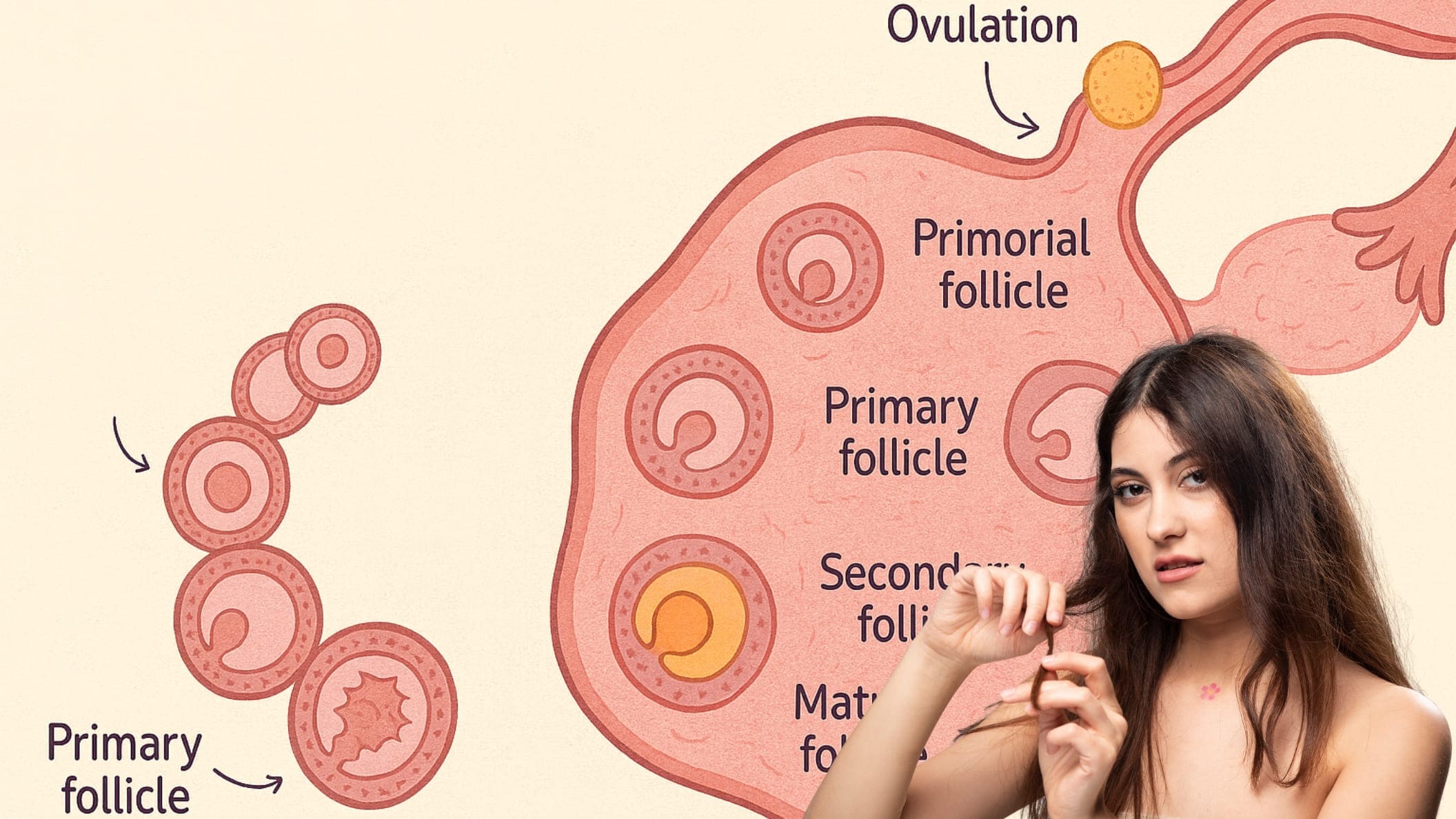
What happens during the follicular phase. Whenever I coach women through cycle syncing or track my own phases, I always look forward to the follicular phase. It’s the period of renewal and regeneration, that post period moment when your body and mind feel lighter, your motivation rises, and ideas start flowing again. Biologically, this phase begins on the first day after your period and lasts roughly seven to ten days, depending on your cycle length. It’s when your body prepares for ovulation and, in many ways, hits the “refresh” button.
I often describe it to my clients as a natural springtime within your body. Estrogen levels begin to rise, your energy starts building, and your brain chemistry becomes sharper. It’s a time to set intentions, plan projects, and say yes to new challenges or even explore new recipes for each phase that align with your body’s rhythm. This is when creativity, confidence, and clarity often peak, making it the perfect window to start something new or revisit goals with fresh energy.
But this isn’t about perfection or productivity for its own sake. It’s about alignment. When you learn to recognise this pattern, you begin working with your biology instead of against it. Understanding and embracing the follicular phase helps you move through life with more flow not by forcing effort, but by tuning in to your body’s natural rhythm and letting it guide your energy and focus.
Hormonal Shifts: What’s Really Happening in Your Body
Behind the scenes, your hormones are orchestrating a symphony of changes that impact your mood, focus, and even creativity.
- Estrogen rises steadily, thickening the uterine lining and triggering neurotransmitters like serotonin and dopamine, which lift your mood.
- Follicle Stimulating Hormone (FSH) helps multiple follicles mature, preparing one dominant egg for ovulation.
- Testosterone begins to rise toward the end of this phase, giving you a subtle boost in confidence and motivation.
What happens during the follicular phase the combined effect? You feel sharper, more optimistic, and ready to connect. This hormonal balance is why many women report feeling more sociable and decisive during this time.
Hormones During the Menstrual Cycle
| Phase | Main Hormone | What it does |
| Menstrual | Low estrogen and progesterone | Rest,detox, reset |
| Follicular | Estrogen | Growth, creativity, confidence |
| Ovulatory | Estrogen + LH | Peak energy, social drive |
| Luteal | Progesterone | Calm, reflection, restoration |
In my professional experience, understanding these shifts helps women make sense of their changing energy and emotions. It’s not “moodiness.” It’s biochemistry working as it should.
Common Follicular Phase Symptoms
What happens during the follicular phase as your hormones rise, so does your vitality. You might notice:
- A light, creamy, or egg white like discharge which means your body is preparing for ovulation.
- Increased mental clarity and motivation to start new things.
- A lighter mood and more social energy.
- Improved digestion and skin clarity.
- A sense of optimism and possibility.
When I first began tracking my symptoms closely, I realised my most productive days often coincided with this phase. I could write faster, focus better, and genuinely enjoy my workouts. That awareness alone was game changing.
Best Foods for the Follicular Phase
Your body craves nutrients that support growth, energy, and estrogen metabolism during this phase. Think vibrant, fresh, and light, just like the season of spring.
My Go To Follicular Phase Foods
- Leafy greens such as spinach, kale, and rocket for folate and magnesium.
- Cruciferous vegetables like broccoli, cauliflower, and cabbage to help your liver process excess estrogen.
- Citrus fruits and berries for antioxidants and vitamin C to support collagen production.
- Fermented foods like kimchi and kefir to balance gut bacteria and hormone metabolism.
- Lean proteins such as salmon, eggs, or tempeh for steady energy.
- Whole grains like quinoa and oats for sustained focus and blood sugar balance.
When I started adjusting my diet to match my cycle, I noticed an immediate difference: less bloating, more energy, and even clearer skin. The body thrives when it’s nourished according to its hormonal rhythm.
Example Follicular Phase Meal Plan
| Meal | Example |
| Breakfast | Greek yogurt with berries and chia seeds |
| Lunch | Quinoa salad with grilled salmon and greens |
| Snack | Hummus with cucumber and carrots |
| Dinner | Tofu stir fry with broccoli and brown rice |
Workouts That Align With Your Energy
This is the power phase for fitness. Your strength, stamina, and coordination naturally improve thanks to estrogen and testosterone.
I encourage women to make the most of this phase with dynamic and challenging workouts. Personally, I schedule my HIIT sessions, strength training, or long runs during this time, not just because I can push harder, but because it feels good to move.
Ideal Workouts for the Follicular Phase
- Circuit training or spin classes
- Running, hiking, or swimming
- Weight training and resistance work
- Dance or aerobic workouts
Your Skin During the Follicular Phase
One of the most overlooked benefits of this phase is its effect on your skin. Rising estrogen increases collagen, elasticity, and hydration. This is when your complexion tends to look naturally luminous.
Dermatologists often describe the follicular phase as the ideal time to focus on brightening and renewal. Your skin barrier is stronger and more receptive to active ingredients, a perfect opportunity to enhance your self care routine.
What I Recommend to Clients During This Phase:
- Use vitamin C serums to even tone and protect from oxidative stress.
- Introduce gentle exfoliation with AHAs or BHAs two to three times a week.
- Switch to light moisturisers that maintain hydration without heaviness.
- Don’t forget sunscreen since estrogen can make skin slightly more UV sensitive.
This is also the time to book facials or treatments like microdermabrasion or light peels since your skin’s recovery ability is at its peak.
How to Support Your Hormones Naturally
Hormonal balance is about more than just food. Your daily habits, sleep, stress, and mindset are equally important.
Here’s what I’ve learned from both clients and personal practice:
- Prioritise Rest:
Aim for seven to eight hours of quality sleep to regulate cortisol and support estrogen balance. - Manage Stress Proactively:
Chronic stress delays ovulation and disrupts this delicate phase. Even ten minutes of deep breathing or journaling can make a difference. - Stay Hydrated:
Water helps flush out excess hormones and keeps your skin glowing. - Support Your Liver:
Cruciferous vegetables, green tea, and dandelion root tea help detoxify estrogen. - Consider Supplements:
Explore evidence based options in my guide on top supplements to support hormone balance. These can be powerful allies for steady energy and clearer skin. - Track Your Cycle:
Apps like Clue or Flo help you connect symptoms with patterns, turning intuition into data.
Cycle Syncing in Daily Life
Understanding your follicular phase doesn’t just improve your health. It changes how you approach life.
I often use this time for brainstorming, content creation, and team projects because my communication skills and creativity soar here. This is your green light for big picture thinking and social connection.
Simple Ways to Align Your Life with This Phase
- Schedule creative or strategic work during this time.
- Try new recipes or social activities.
- Plan workouts and goals for the month.
- Refresh your skincare or wardrobe to feel naturally confident and inspired.
Cycle syncing isn’t about restriction. It’s about rhythm. Once you see how your energy ebbs and flows, you start honouring your body’s wisdom instead of forcing productivity on low energy days.
Faqs about What happens during the follicular phase
1. How long does the follicular phase last?
Typically seven to ten days, beginning the day after your period ends and lasting until ovulation.
2. What are common follicular phase symptoms?
You may experience higher energy, clearer skin, light discharge, and a more positive mood. These are signs that estrogen and FSH are doing their job.
3. Can I eat the same foods throughout my cycle?
You can, but tailoring your nutrition by phase enhances hormone balance, energy, and digestion. Lighter foods work best now, while grounding foods suit the luteal phase. You can explore delicious options in my luteal snack ideas.
Final thoughts
When I first began aligning my lifestyle with my follicular phase, I was amazed at how much calmer and more confident I felt. It wasn’t about following a perfect plan. It was about understanding the rhythm my body had been following all along.
The truth is, most women have never been taught to listen to their hormonal patterns. We’re told to power through fatigue or push productivity at all costs. But when you start honouring your cycle, especially this vibrant, creative phase, you realise how much potential your body holds.
Now, I treat my follicular phase as my time to grow, experiment, and set things in motion. It’s when I plan, connect, and create because my hormones naturally support those instincts.
Cycle syncing isn’t a trend. It’s a framework for harmony. By respecting the natural intelligence of your body, you reclaim energy, balance, and self trust. And that’s the real power behind understanding what happens during the follicular phase.