Table of Contents
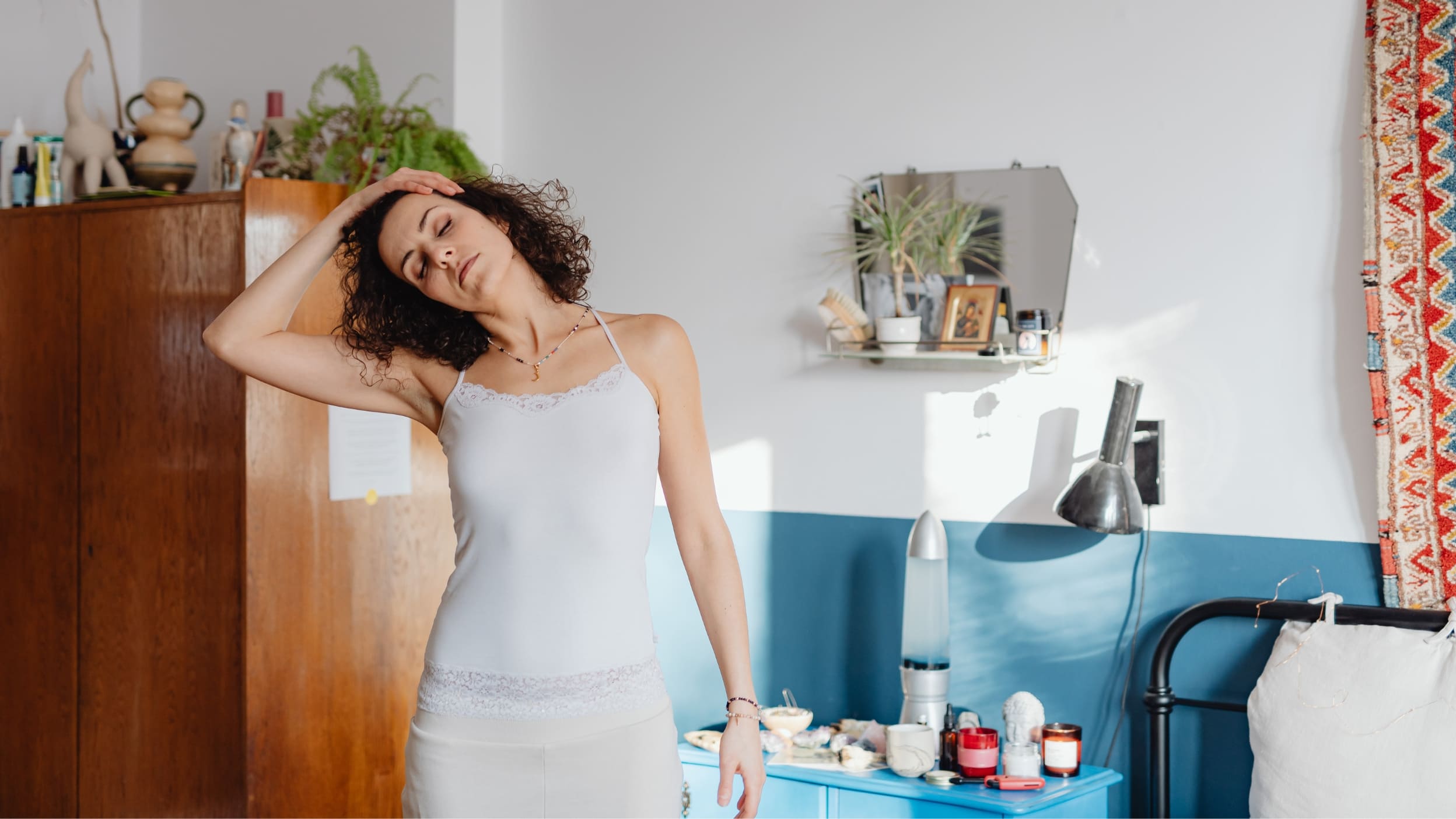
When I first began learning about cycle syncing, I realized how little I actually knew about my own body. I could tell you the day my period arrived, but not what happened in between. It always felt like a guessing game of why I suddenly felt energized one week and sluggish the next, until I learned how to spot follicular phase symptoms more clearly and follow a gentle stretch routine that supported my body. Once I started tracking and studying my cycle phases, everything changed.
The follicular phase is the first half of your menstrual cycle, beginning on the very first day of your period and lasting until ovulation. It’s when your body starts preparing for a new cycle of growth and renewal. Hormones begin to rise, energy slowly returns, and your mind becomes clearer.
In this stage, your body is like the earth waking up after winter. There’s a natural increase in motivation, optimism, and even creativity. I used to think it was just random good days, but it’s not random at all. It’s biology.
Cycle syncing gave me language and structure to understand that rhythm. Once I realized how powerful the follicular phase was, I stopped trying to push against my body and instead learned to align with it. That simple mindset shift made a huge difference in how I worked, trained, and even rested.
What Happens to Hormones During the Follicular Phase
If you’ve ever felt that post period energy surge, that’s your hormones working in your favor. After menstruation, estrogen and follicle stimulating hormone begin to rise. This increase supports follicle growth and prepares your body for ovulation.
Estrogen is a multitasker. It boosts mood, sharpens focus, and enhances motivation. Around this time, I usually find myself cleaning out my workspace, planning meals, or tackling big projects I’d been avoiding. I used to ignore those impulses, but now I recognize them as hormonal cues that I’m entering my high energy window.
Here’s a simple breakdown of what’s happening inside:
| Hormone | Function | How It Feels |
| Estrogen | Rises steadily to prepare for ovulation | Boosts focus, energy, and creativity |
| FSH | Stimulates follicle growth in the ovaries | Supports fertility and hormonal balance |
| LH | Remains low for now | Minimal physical effect yet |
| Progesterone | Still low | Keeps mood balanced without slowing energy |
What makes the follicular phase so interesting is how it feels mentally. Estrogen interacts with serotonin and dopamine, the feel good chemicals, making you naturally more positive and motivated. It’s almost like your internal confidence dial gets turned up.
In my experience, this is the time when I think clearly, make better decisions, and feel more open to taking on new challenges. Understanding that hormonal foundation helped me use this phase to my advantage instead of wasting it on autopilot.
Common Signs You’re in the Follicular Phase
For years, I ignored the little signs my body gave me each month. But once I started paying attention, the patterns became impossible to miss.
Here are the most common signs that you’ve entered your follicular phase:
- Rising energy levels and motivation
- Better focus and problem solving
- A lighter, happier mood
- Brighter, clearer skin
- Increased social confidence or flirtiness
- Cervical mucus that becomes thin and stretchy
- Reduced bloating and water retention
I notice these changes as early as day three or four of my cycle. Suddenly, I’ll wake up before my alarm, crave fresh foods, and feel ready to take on the world again. It’s like my body is saying, “Let’s start fresh.”
Many women mistake this boost for a random mood swing, but once you see it as a hormonal pattern, it becomes a powerful guide. Instead of wasting that momentum, I channel it into creative projects, new habits, or workouts that push me a little further.
How to Tell When Your Follicular Phase Starts and Ends
Your follicular phase begins on the first day of your period and ends at ovulation. Depending on your cycle length, it usually lasts 10 to 17 days.
At first, it can be tricky to pinpoint exactly when one phase ends and another begins. But after a few months of tracking, I noticed very specific shifts. The first few days are still slow and reflective, but as bleeding tapers off, energy begins to climb. I find myself more focused and emotionally grounded around day five or six.
Here’s what my general pattern looks like:
- Days 1–3: Low energy, rest and gentle movement.
- Days 4–7: Mood brightens, motivation builds.
- Days 8–12: Peak focus, creativity, and confidence.
- Days 13–14: Leading into ovulation; social energy and physical stamina are high.
You can also track physical cues like changes in cervical mucus or subtle temperature shifts. A menstrual cycle tracking app can make it easier to connect the dots. Once you know your timeline, it’s much easier to plan your lifestyle and productivity around it.
How Energy and Mood Shift During This Phase
The follicular phase often feels like a breath of fresh air. After the emotional heaviness and fatigue of the luteal and menstrual phases, I always notice a clear mental and physical lift.
Estrogen is largely responsible for that shift. It increases serotonin, which stabilizes mood, and dopamine, which enhances motivation and reward seeking behavior. That’s why this is the time when I feel most inspired and adventurous.
I call it my yes phase because I tend to say yes to new ideas, social plans, and challenges. I’ll test new recipes, sign up for classes, or start new routines. I also find that I’m more solution oriented during this time, which makes it perfect for planning and creative work.
If you ever notice that your energy suddenly spikes and your outlook brightens, it’s likely your follicular phase kicking in. It’s a great time to lean into goal setting, new projects, or physical training that challenges you.
Still, it’s important not to push too hard. Even though you may feel like you can do everything, your body is still adjusting from the menstrual reset. Ease into intensity so that your energy remains consistent instead of peaking and crashing.
Nutrition Tips for the Follicular Phase
Food plays a major role in how balanced and energized you feel during this part of your cycle. I used to rely on caffeine to get me through my low days, but now I focus on food that naturally supports hormone balance and energy.
Here’s what I like to include in my follicular phase meals:
| Goal | Recommended Foods | Why It Helps |
| Replenish nutrients | Spinach, beets, quinoa, pumpkin seeds | Rebuild iron lost during menstruation |
| Support rising estrogen | Flaxseeds, chickpeas, avocados, kale | Promote healthy hormone metabolism |
| Boost energy | Citrus fruits, berries, oats, brown rice | Stabilize blood sugar and maintain focus |
| Enhance brain health | Eggs, salmon, olive oil, walnuts | Improve concentration and memory |
I tend to crave fresh, colorful foods during this time, so I take advantage of it by preparing vibrant salads, smoothies, and grain bowls. I also drink lots of water and herbal teas to help my body flush out any residual bloating from my period.
Another tip I’ve learned is to add magnesium rich foods like almonds or dark chocolate to snacks. It helps reduce fatigue and supports better sleep, even when my energy is high.
By nourishing my body this way, I’ve noticed my mood stays steady, and I don’t experience the mid afternoon crashes that used to hit me hard.
Workouts That Match Your Follicular Energy
Exercise during the follicular phase feels completely different from the days before your period. Your endurance, recovery, and motivation all improve. I always find this phase perfect for challenging myself physically.
Here’s how I usually structure my workouts:
- Early in the phase: yoga, stretching, or gentle walks
- Mid phase: moderate strength training and light cardio
- Late follicular phase: high intensity workouts, long runs, or cycling
Your body responds really well to new stimuli now. Estrogen increases your pain tolerance and helps muscles repair more efficiently. I remember noticing I could lift heavier and bounce back faster without feeling sore for days.
If you’re new to fitness or trying to restart a routine, this is the best phase to do it. I’ve had clients who used this window to form consistent habits because they actually looked forward to movement instead of dreading it.
The key is to listen closely to your body. Don’t overtrain, but do use this time to push a little beyond your comfort zone.
How to Use Cycle Syncing to Maximize This Phase
Cycle syncing isn’t just about tracking periods. It’s about working smarter with your hormones. Once I began syncing my schedule to my follicular phase, my productivity and creativity skyrocketed.
Here’s how I make the most of this phase:
- Work: I plan brainstorming sessions, strategy meetings, or creative projects. My mind feels clear, and I communicate better.
- Fitness: I increase intensity gradually, adding more cardio or strength sessions.
- Nutrition: I experiment with recipes that include fresh produce and lean proteins.
- Self care: I schedule haircuts, photoshoots, or social events because I usually feel more confident and outgoing.
I also use a simple color coded planner to keep track of my cycle. When I’m in the follicular phase, I mark it as growth time. It’s a reminder to set new intentions and take inspired action.
Over time, I’ve learned that the more I respect these patterns, the less burned out I feel. My cycle stopped being an obstacle and started becoming my secret strategy for success.
FAQs About Follicular Phase and Hormones
Q1: What are the signs that I’m in my follicular phase?
You’ll likely feel a rise in energy, improved focus, and a brighter mood. Your skin may clear up, and you may notice lighter, slippery cervical mucus.
Q2: How long does the follicular phase last?
It typically lasts between 10 and 17 days, depending on your total cycle length. It begins on the first day of your period and ends when ovulation starts.
Q3: What workouts are best during this time?
Strength training, cardio, dance, or any workout that feels energizing. This is your high performance window, so take advantage of it.
Q4: What should I eat during this phase to feel my best?
Focus on fresh, light foods with plenty of fiber, antioxidants, and protein. Think greens, citrus, grains, and omega 3 fats like salmon or chia seeds.
Final Thoughts
Cycle syncing has taught me more about my body than any fitness or productivity program ever has. Learning to recognize my follicular phase symptoms gave me back control over my energy, mood, and motivation.
This phase is your natural reset. It’s when your hormones support growth, renewal, and clarity. Instead of forcing yourself into constant hustle, use this time to expand and create intentionally.
I’ve found that once you align your habits with your hormonal flow, life feels smoother. Your body stops being a mystery and instead becomes a partner that guides your choices.
So when that wave of motivation hits you after your period, trust it. That’s your follicular phase inviting you to rise, create, and move forward with purpose.