Table of Contents
For years, I tracked my cycle manually in a planner, with body temperature logs and half-forgotten symptoms scribbled in the margins of my journal. It worked until it didn’t. Between stress, travel, and unpredictable hormones, I realised my body deserved a smarter approach.
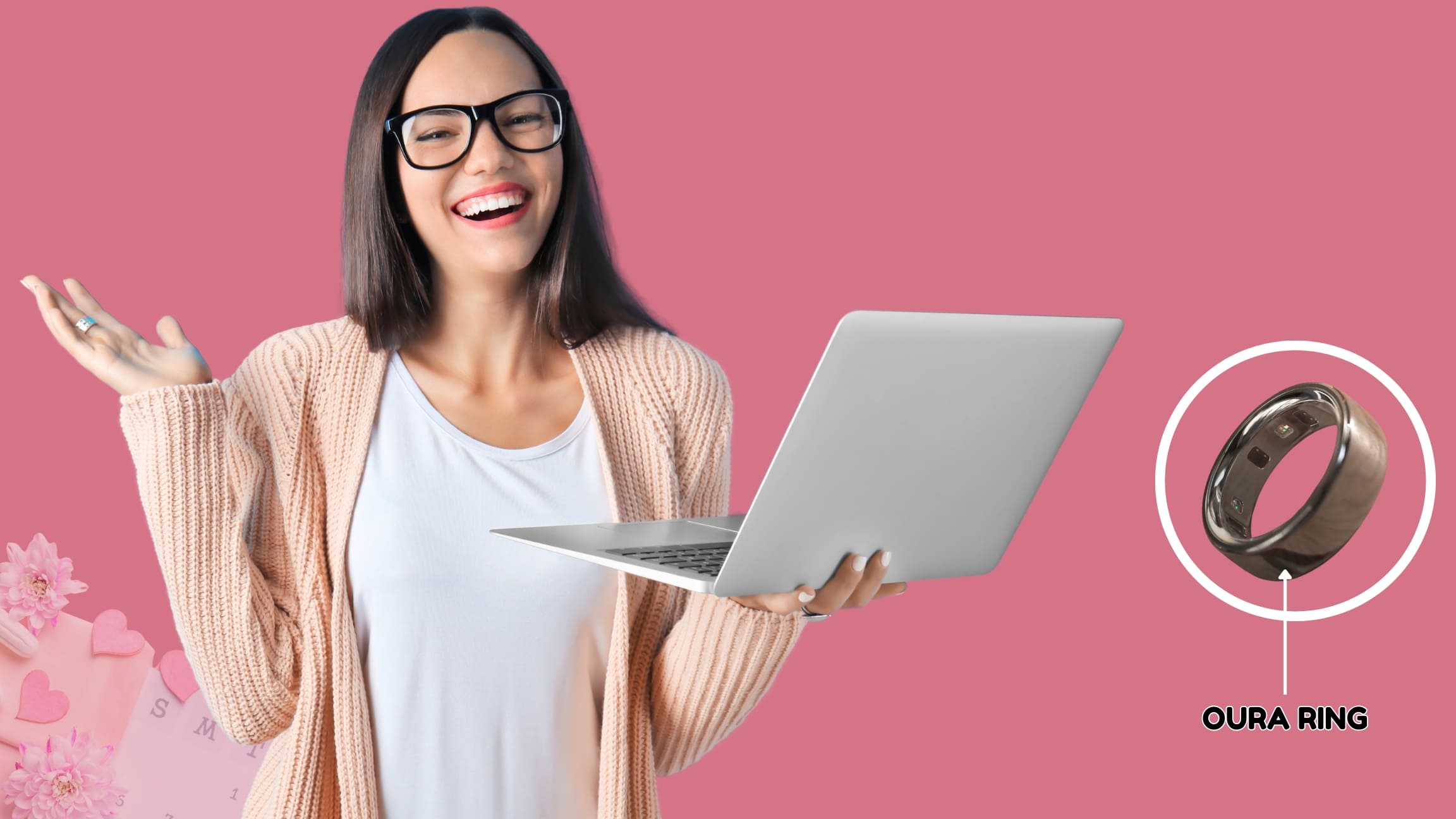
That’s when I discovered the Oura Ring and its integration with the Natural Cycles app, a combination that transformed how I understood my hormonal rhythm, energy, and recovery.
If you’ve been curious about cycle syncing with Oura Ring, this guide walks you through everything from setup to the insights I’ve learned after months of daily wear.
What Is Cycle Syncing (and Why It Matters)
Cycle syncing means adjusting your lifestyle, nutrition, workouts, and self-care to align with your menstrual phases. It’s not just about tracking your period; it’s about understanding the hormonal rhythm that drives your energy, mood, and performance.
When I first started, I noticed how predictable my energy dips and bursts were once I paid attention. During my follicular phase, I felt clear-minded and productive. During the luteal phase, my patience shortened, and rest felt non-negotiable.
The Oura Ring made those patterns visible, turning intuition into data. Over time, I realised that the fluctuations I used to fight were actually my body’s built-in intelligence.
How Oura Ring Tracks Your Cycle
Oura doesn’t track your cycle by asking how you feel. It measures what your body shows through:
- Body temperature trends to estimate ovulation
- Resting heart rate and heart-rate variability
- Sleep quality and stages
- Respiratory rate and recovery metrics
When these signals are analysed together, Oura can identify where you are in your menstrual cycle and when hormonal shifts occur. It’s incredibly helpful for women who want to balance workouts, work, and recovery without second-guessing their energy levels.
Pro tip: Pair Oura with the Natural Cycles app. Natural Cycles uses Oura’s temperature data to determine fertile windows and hormone trends far more accurately than manual entry alone.
Syncing Oura with Natural Cycles
Here’s how to connect your data in under five minutes:
- Open Natural Cycles, go to Settings, and select Oura Ring Integration.
- Grant permissions to share temperature, resting heart rate, and sleep data.
- Sync daily by opening both apps each morning to ensure data transfer.
- Within a few days, Natural Cycles begins predicting ovulation and fertile phases automatically.
In my experience, this setup was seamless. What impressed me most was how consistent the temperature curves were. Even subtle dips before menstruation or spikes around ovulation appeared clearly in the data.
Once both apps were in sync, I no longer relied on assumptions. I could see, with objective confirmation, when my luteal fatigue wasn’t just in my head.
Understanding the Four Menstrual Phases
Even if your cycle isn’t a textbook 28 days, these phases apply universally.
| Phase | Hormone Pattern and Energy Shift | Focus and Lifestyle Goal |
| Menstrual (Days 1–5) | Estrogen and progesterone drop; low energy and slower recovery | Rest, reflection, gentle movement, emotional reset |
| Follicular (Days 6–13) | Estrogen rises; creativity and motivation return | Brainstorm new ideas, begin projects, moderate workouts |
| Ovulatory (Days 14–17) | Peak estrogen and testosterone; heightened confidence and strength | Collaborate, network, lift heavier, schedule presentations |
| Luteal (Days 18–28) | Progesterone rises then falls; metabolism slows, mood fluctuates | Organise, finish projects, prioritise rest and grounding nutrition |
With Oura’s real-time tracking, you can see physiological signals that correspond to each phase, such as elevated HRV during follicular and declining sleep scores during luteal. This visibility helps you course-correct before burnout hits.
Using Oura Data to Support Each Phase
What I love most about Oura is how it teaches you to work with your biology, not against it.
- Menstrual: Low readiness scores mean permission to rest. I schedule lighter tasks and nourishing meals such as iron-rich foods and herbal teas.
- Follicular: As readiness climbs, I reintroduce intensity. HIIT, brainstorming sessions, and travel fit well here.
- Ovulatory: Peak performance zone. Activity scores soar, so I plan launches or public speaking and ride that wave of confidence.
- Luteal: Higher body temperature and restless sleep are cues to pivot to slower movement and magnesium-rich foods to steady energy.
When I ignore these cues, burnout creeps in quickly. But when I align my schedule with my data, everything flows better.
Cycle Syncing Workouts and Recovery Tips
Cycle syncing isn’t only about hormones; it’s about sustainability. Here’s how I plan my training each month:
- Menstrual: Yoga, stretching, and gentle walks.
- Follicular: Pilates, running, and trying new workouts when my body feels ready to learn.
- Ovulatory: Strength training and social fitness classes.
- Luteal: Low-impact workouts like swimming or reformer Pilates.
The Oura app monitors recovery and readiness, so you can respond before fatigue builds. When my HRV drops or resting heart rate rises, I know it’s time to shift toward mobility or restorative sessions. Over time, this approach has improved my performance consistency and reduced inflammation.
How Oura Data Transforms Self-Awareness
Before Oura, I relied on subjective cues to decide how I felt. Now I can see it objectively. My readiness score mirrors my hormonal curve.
I noticed that my HRV dips right before my period begins, predictably two days out. That insight lets me prepare emotionally and practically for a slower day. Temperature data also showed me how deeply travel and stress impact my cycle. A long flight can delay ovulation by a day or two, which explains why my energy sometimes lags afterward.
This level of awareness strengthens your relationship with your body. You start recognising patterns instead of seeing symptoms as random.
Nutrition and Recovery Guidelines from My Data
Over months of tracking, I learned to align my food choices with my Oura metrics.
- Menstrual: Soups, slow-cooked meals, and iron-rich foods like lentils and beef restore energy.
- Follicular: Bright salads, lean protein, and fresh fruit support estrogen’s rise.
- Ovulatory: Hydration and anti-inflammatory foods such as citrus and omega-3s balance heat and energy.
- Luteal: Complex carbs and magnesium-rich foods like avocado, pumpkin seeds, and dark chocolate help with sleep and mood.
Oura often correlates higher sleep scores and lower resting heart rates with those nourishing days, showing that small choices truly matter.
My Honest Thoughts: Benefits and Limitations
After using Oura Ring for cycle syncing for more than six months, here’s the truth.
What works:
- Clinically validated temperature and HRV tracking
- Seamless Natural Cycles integration
- Helpful insights for stress, sleep, and recovery
- Enhanced body awareness that lets me predict luteal mood dips
- A stronger sense of trust in my body instead of frustration with its changes
What could be better:
- Temperature readings can fluctuate if you remove the ring mid-sleep
- No dedicated cycle calendar in Oura yet
- Data still needs context; numbers alone don’t tell the full story
- Slight learning curve to interpret readiness trends without overanalysing them
Even with these limitations, I recommend Oura to any woman serious about understanding her body through data instead of guesswork. It bridges science and intuition.
FAQs
1. How accurate is Oura for period tracking?
Oura’s temperature accuracy is clinically validated, but predictions depend on consistent nightly wear. For fertility awareness or contraception, it’s best paired with Natural Cycles, which uses Oura’s data for certified predictions.
2. Can I use Oura without Natural Cycles?
Yes. Oura alone still detects hormonal trends through temperature and HRV shifts, though it won’t show fertile windows. If you’re focused on performance or recovery, Oura alone is excellent.
3. What’s the best way to start cycle syncing with Oura?
Wear your ring every night for at least two weeks. Once your baseline data stabilises, review the readiness and temperature graphs. Match them with your mood, cravings, and productivity you’ll quickly see your rhythm emerge.
4. Does stress affect Oura cycle data?
Yes. Stressful weeks can raise resting heart rate and delay ovulation. Oura makes those connections visible so you can recover sooner instead of wondering why your cycle shifted.
5. Is Oura Ring comfortable for sleep?
Yes. It’s lightweight, and after a week you barely notice it. The key is to choose a size that doesn’t feel tight as your hands warm and cool overnight.
Final Thoughts
When I first started cycle syncing with my Oura Ring, I didn’t expect it to reshape how I treated myself. The data became a mirror, not a measure of perfection, but a reminder that my body has a rhythm worth respecting.
Over time, I stopped pushing through fatigue and started listening to what my body was quietly asking for: rest, patience, nourishment, or movement. That small shift built confidence, balance, and a deeper sense of partnership with my hormones.
If you’ve been craving structure in your wellness journey without losing flexibility, start here. Let Oura and Natural Cycles show you that data and intuition can coexist beautifully, and your best energy might be one synced cycle away.