Table of Contents
Why I Started Exploring Cycle Syncing Skincare
I have spent years studying how hormones affect the skin. I have treated women whose breakouts appeared like clockwork before their periods, and others who lost their glow every month without understanding why.
When I first heard about cycle syncing skincare, I assumed it was just another trend. But after seeing measurable improvements in patients and in my own skin, I realised this approach helps women care for their skin in sync with their biology, not against it.
If you are new to this concept, I suggest using a reliable app to track your cycle before you start adjusting your skincare routine.
How the Menstrual Cycle Really Impacts Skin
Your menstrual cycle shapes more than your mood. It affects hydration, oil production, and even how your skin heals.
Here is how each phase plays its part:
| Phase | Key Hormone | Skin Characteristics |
| Menstrual – (1–5 days) | Low estrogen and progesterone | Dull, dry, sensitive |
| Follicular – (6–14 days) | Rising estrogen | Bright, balanced, hydrated |
| Ovulatory – (15–17 days) | Peak estrogen | Glowy, smooth, radiant |
| Luteal – ( 18–28 days) | High progesterone | Oily, breakout prone |
Tracking tools like Flo or Clue can help predict these shifts and make syncing your skincare routine easier.
Hormones and Skin : What Happens Each Phase
Menstrual Phase
- Low oestrogen weakens the skin barrier, leading to dryness and inflammation.
- What to do: Focus on barrier repair with ceramides and rich moisturisers.
- Avoid harsh exfoliants and retinoids.
Follicular Phase
- Oestrogen boosts collagen and moisture retention.
- Best for: Vitamin C, lactic acid, and brightening serums.
Ovulatory Phase
- You are naturally glowing. This is when skin is at its healthiest.
- Best for: Lightweight hydrators, SPF, and antioxidant masks.
Luteal Phase
- Progesterone increases sebum, making skin oilier.
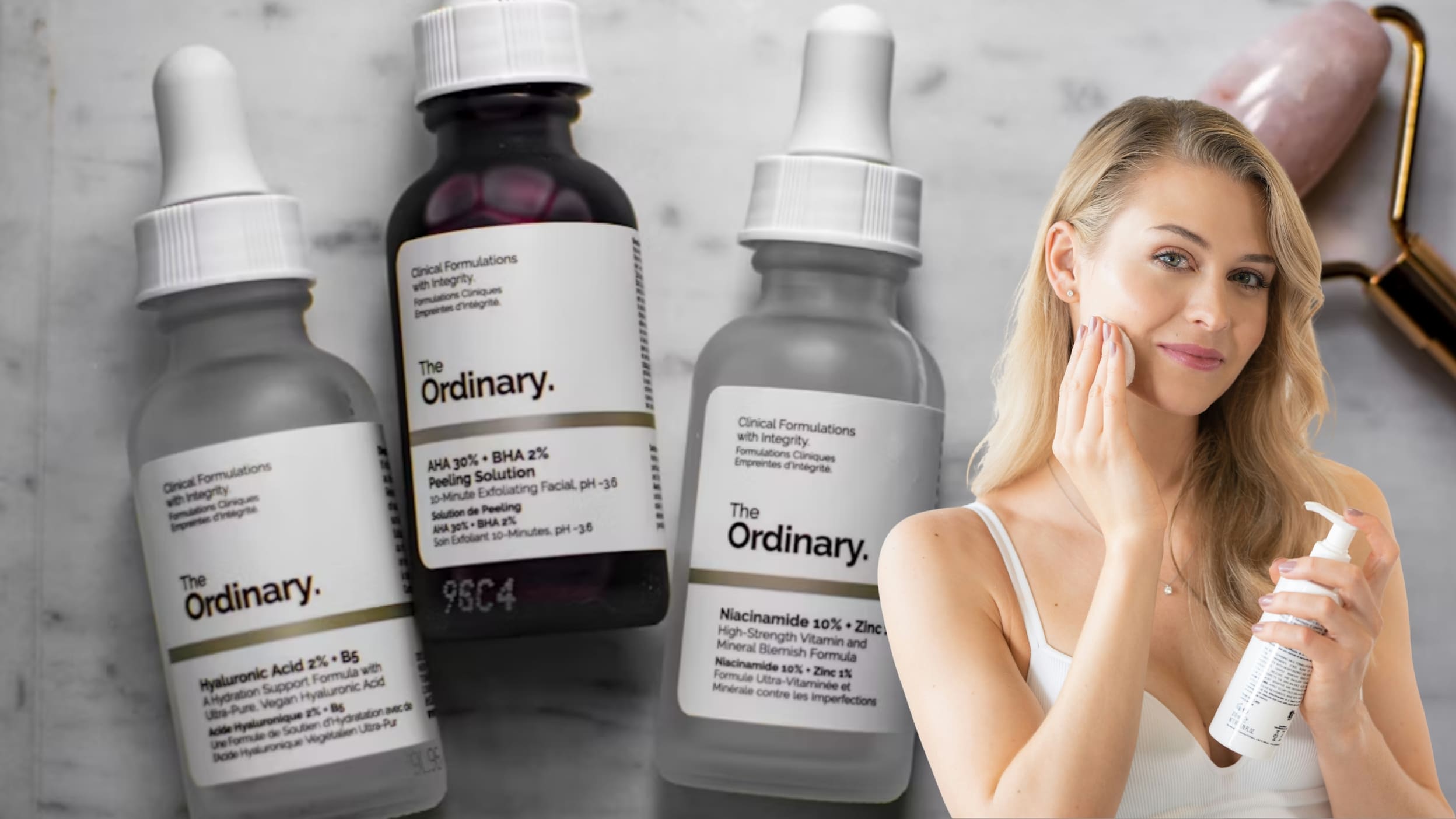
- What to do: Use BHA cleansers and niacinamide. Avoid adding new activities to prevent irritation.
My Dermatologist Designed Cycle Syncing Routine
After years of refining patient routines, here is the five step system I recommend:
- Cleanse: Gentle, non stripping cleanser daily.
- Tone: Hydrating essence mid cycle; skip if sensitive.
- Treat: Actives matched to hormonal phase.
- Moisturise: Thick creams during menstruation, gels during ovulation.
- Protect: Sunscreen daily. Hormones can increase UV sensitivity.
Consistency matters more than complexity. You do not need twenty products, just the right ones at the right time.
Realistic Expectations and Clinical Insights
Cycle syncing is not a miracle cure, but I have seen clear improvements in patients who commit for at least three cycles:
- Reduced premenstrual breakouts
- Less redness during menstruation
- Healthier, more predictable skin tone
It is also worth noting that neurodivergent women often experience stronger fluctuations. Why ADHD related hormonal sensitivity can make skin reactions more intense.
Common Pitfalls I See in Patients
- Changing products too quickly : Hormonal shifts take time. Give your skin at least two cycles to adjust.
- Skipping sunscreen : Always a mistake, especially when hormones make skin more UV reactive.
- Ignoring stress : Cortisol can undo weeks of progress.
- Overusing activities : Match potency to phase; gentle care wins long term.
Who Benefits Most (and Who Doesn’t)
Cycle syncing skincare often works best for women with consistent cycles or those seeking holistic balance, not instant transformation.
If you are on hormonal birth control, syncing may still help you reconnect with your natural rhythms, even if your skin changes are subtle.
I also encourage couples to learn about this rhythm together. Understanding these shifts can strengthen relationships, as discussed in my couples piece.
Faqs about Cycle Syncing Skincare
1. Is cycle syncing skincare backed by research?
Yes and no. The connection between hormones and skin is well documented, though syncing skincare to menstrual timing is still emerging science. I view it as bio informed self care, not pseudoscience.
2. Should I stop retinol during my period?
You can keep using it, but reduce frequency when sensitivity peaks.
3. When will I see results?
Expect improvements after two to three full cycles if you are consistent with tracking and hydration.
Final thoughts
As a woman who has lived this process, I have learned that cycle syncing skincare is more about awareness than perfection. When you tune into your hormones, you stop forcing your skin into a rigid routine. It starts working with you. Your skin does not need more control. It needs understanding.