Table of Contents
The follicular phase begins right after your period ends and lasts about one to two weeks, depending on your cycle length. During this time foods should I eat, your body is preparing an egg for ovulation. Estrogen and follicle stimulating hormones start to rise, which explains why you usually feel lighter, sharper, and more social.
I often describe the follicular phase as your internal “spring.” Energy returns, mood lifts, and curiosity wakes up again. After menstruation, your body moves from recovery into growth mode, and your metabolism slightly slows down. That means your body can thrive on lighter, fresher foods that support cell repair, blood replenishment, and hormonal balance.
When I first began to pay attention to this pattern in my own life, everything made sense. The days after my period were when I naturally wanted to eat salads, smoothies, and citrus fruits rather than the comforting stews or chocolate cravings of my luteal phase. My body already knew what it needed; I just had to learn how to listen.
Why Nutrition Matters After Your Period
The days right after your period are critical for rebuilding your body’s nutrient stores. You’ve just lost blood, iron, and minerals, and your hormones are in transition. A supportive diet during the follicular phase helps you replenish what’s been depleted and prepare for ovulation ahead.
Estrogen, the dominant hormone during this phase, can be your best ally when it’s balanced. It improves your mood, energy, skin clarity, and focus. But when it rises too quickly or isn’t metabolised well, it can cause bloating, fatigue, or irritability.
The foods you eat now play a direct role in how well your body handles that estrogen surge. I often tell my clients, “You can’t outsmart your hormones, but you can nourish them.” Eating nutrient rich, colorful whole foods helps your liver and gut clear excess estrogen naturally and keeps you feeling stable and energised.
How I Discovered the Power of Follicular Phase Eating
When I first learned about cycle syncing, I didn’t expect food to make such a visible difference. I had always eaten “healthy,” but my meals were the same week after week. Once I started adjusting my nutrition by phase, I noticed specific changes:
- My energy became more predictable.
- My workouts felt smoother, especially strength training.
- My digestion improved, and bloating almost disappeared.
- My mood felt lifted, without caffeine highs and crashes.
I remember one client, Jess, who came to me constantly exhausted after her period. She’d force herself into high intensity training and grab protein bars to keep up. We shifted her focus toward lighter, whole food meals like spinach omelettes, citrus smoothies, and salmon with sweet potato. Within two cycles, she reported that her energy no longer dipped, and her skin looked noticeably clearer.
That’s when I knew follicular phase nutrition wasn’t just theory. It’s a framework that lets your biology work with you, not against you.
Foods Should I Eat That Support This Phase
Leafy Greens and Cruciferous Vegetables
These are my non-negotiables during the follicular phase. Spinach, kale, rocket, broccoli, and cauliflower help your liver process excess estrogen through natural compounds like sulforaphane. They also deliver magnesium, which keeps cramps and fatigue at bay.
Lean Proteins
Protein helps rebuild tissues and maintain stable blood sugar. I aim for a mix of animal and plant sources chicken, eggs, salmon, tofu, or lentils. Estrogen slightly suppresses appetite, so steady protein intake ensures you don’t crash mid afternoon.
Whole Grains and Complex Carbs
Your brain loves glucose, and estrogen enhances serotonin production, making carbs even more mood supportive. I go for quinoa, oats, buckwheat, or brown rice foods that release energy slowly and help sustain focus throughout the day.
Citrus and Bright Fruits
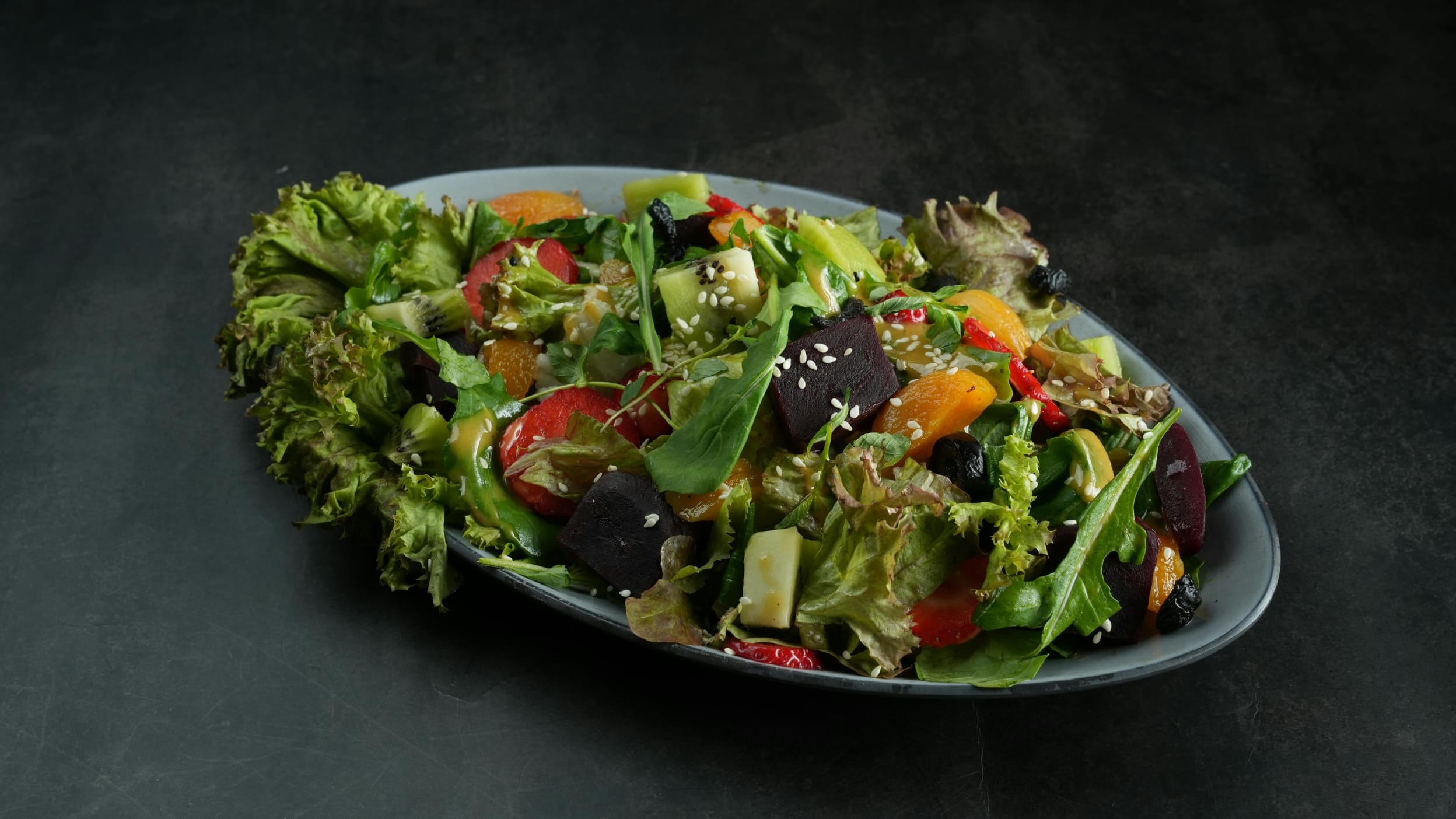
Berries, oranges, kiwi, and grapefruit support collagen production and help with iron absorption. Vitamin C rich foods are essential after menstruation when your iron levels may still be low.
Iron and Zinc Rich Foods
If your period was heavy, this is your replenishment phase. Iron restores your red blood cells, while zinc supports ovulation and clear skin. I recommend pumpkin seeds, lentils, chickpeas, oysters, or grass fed beef.
Fermented and Fibre Rich Foods
Your gut and liver are key players in hormone balance. Adding sauerkraut, kimchi, kefir, or yogurt helps keep digestion smooth, while fibre from flaxseed, pears, and beans assists with estrogen detoxification.
How to Build Meals That Match Your Hormones
A balanced follicular phase meal includes protein, complex carbohydrates, healthy fats, greens, and plenty of colour. The idea is to eat foods that make you feel light, strong, and mentally sharp.
| Meal Component | Why It Matters | Examples |
| Protein | Builds muscle and stabilises blood sugar | Chicken, tofu, eggs, fish |
| Complex Carbs | Fuels brain and workouts | Quinoa, oats, brown rice |
| Healthy Fats | Supports ovulation and mood | Avocado, olive oil, nuts |
| Fibre & Greens | Detoxifies estrogen | Spinach, broccoli, kale |
| Micronutrients | Restores balance post period | Citrus, berries, seeds |
During this time, I often crave freshness, crunchy salads, smoothie bowls, and light grain-based dishes. That’s your body’s way of signalling that it’s ready to rebuild, not store. I encourage clients to lean into that instead of forcing heavy, comfort style meals just because they feel “healthy.”
My Favourite Breakfast, Lunch, and Dinner Ideas
Breakfast
Greek Yoghurt Bowl with berries, flaxseed, and honey for antioxidants and fibre.
Spinach and Avocado Omelette rich in iron, magnesium, and healthy fats.
Green Smoothie banana, kale, chia seeds, and almond butter for an easy nutrient boost.
Lunch
Quinoa Power Bowl grilled chicken, rocket, cherry tomatoes, and olive oil.
Lentil and Kale Soup nourishing, light, and restorative.
Poke Bowl tuna or salmon with rice, cucumber, and seaweed for omega 3s.
Dinner
Salmon with Broccoli and Sweet Potato Mash protein rich and anti inflammatory.
Tofu Stir Fry brown rice, capsicum, and sesame for balance and plant protein.
Chickpea Curry with basmati rice and leafy greens for gentle digestion.
These meals are simple but functional. They stabilise hormones, reduce bloating, and keep your energy high without that heavy post meal fatigue.
Essential Nutrients to Prioritise
Iron
Helps restore what’s lost during menstruation. Combine with vitamin C rich foods like citrus or berries to improve absorption.
B Vitamins
They support estrogen metabolism and energy production. I rely on eggs, legumes, and whole grains to keep my levels steady.
Magnesium
My personal favourite. Magnesium supports relaxation, better sleep, and even helps with PMS in later phases. I get mine from leafy greens, nuts, and dark chocolate.
Zinc
Key for ovulation and skin health. I recommend pumpkin seeds, chickpeas, and seafood.
Omega 3 Fatty Acids
These healthy fats reduce inflammation and support hormonal harmony. Sources include salmon, chia seeds, and walnuts.
Foods to Avoid or Limit
I’m not here to promote restriction, but awareness. Certain foods make this phase feel heavier or throw off your natural rhythm.
Refined sugars and processed carbs they can cause insulin spikes that interfere with
estrogen metabolism.
Too much caffeine high caffeine raises cortisol and can intensify stress. Try green tea for a gentler lift.
Alcohol slows down liver detoxification and affects hormone clearance.
Inflammatory oils replace refined seed oils with olive or avocado oil.
Highly processed soy choose fermented soy like tempeh or miso instead of isolates.
These shifts aren’t about deprivation; they’re about working in sync with your body’s natural signals.
FAQs about Foods Should I Eat
What foods should I eat during my follicular phase to boost energy?
Focus on iron, B vitamins, and slow burning carbs. My personal go to is a quinoa salad with spinach and citrus. It’s light but energising.
Which foods help balance hormones in this phase?
Leafy greens and cruciferous vegetables are the foundation. Add omega 3 fats from fish or seeds to help modulate estrogen levels.
Can eating specific foods improve mood and focus?
Yes. As estrogen rises, your brain becomes more responsive to serotonin and dopamine. Balanced meals with complex carbs, protein, and fats help keep that neurotransmitter activity steady, supporting a calm, motivated mindset.
Final thoughts
I still remember the first cycle where I intentionally ate for my follicular phase. It felt like someone turned the lights back on. My workouts were smoother, my brain was sharper, and my mood stayed level all week. I wasn’t chasing energy; I was creating it.
Every woman’s cycle is unique, and no single meal plan will fit everyone. But when you start tuning into what your body asks for at each stage, you’ll notice how natural it feels. You won’t have to force discipline or rely on willpower. You’ll simply align.
The follicular phase is your body’s invitation to start fresh. Use it to experiment with lighter foods, vibrant colours, and meals that make you feel alive. This is the time to say yes to new ideas, new workouts, and new energy.
In my coaching experience, women who nourish themselves during this phase often see ripple effects in every part of their lives. Their creativity increases, their skin clears, and they stop fearing the rhythm of their cycle.
Cycle syncing isn’t about perfection; it’s about partnership. Your body already knows how to balance itself; you just have to give it the right support.