Table of Contents
When I first discovered cycle syncing, I had no idea how powerful my follicular phase could be. For years, I pushed through workouts with the same intensity every week, wondering why some days I felt unstoppable and other days I could barely drag myself to the gym. It wasn’t until I started paying attention to my hormonal rhythm exercise should I do that everything clicked. The follicular phase, as I learned, is the moment your body starts saying, “I’m ready to grow, move, and rebuild.”
Understanding the Follicular Phase
The follicular phase begins right after your period and usually lasts about seven to ten days. It’s the body’s natural “springtime,” when hormones shift from the calm and reflective energy of menstruation into an upward climb of motivation and vitality.
Biologically, your body is preparing for ovulation. Follicle stimulating hormone (FSH) encourages follicles in your ovaries to mature, while oestrogen begins to rise steadily. You might notice that your mood brightens, your skin clears, and your energy naturally increases.
For me, this phase feels like coming back to life. The brain fog lifts, and I start to feel like myself again. Most of my clients report the same thing: this is when they feel most creative, productive, and ready to tackle challenges in both work and fitness.
Why Energy Peaks After Your Period
There’s a reason your motivation skyrockets right after your period ends. Rising oestrogen increases your body’s ability to use carbohydrates efficiently for energy, meaning you’ll feel stronger and more capable during workouts. It also boosts serotonin and dopamine, which enhances your mood and focus.
In my own training, I treat this phase as the perfect time to push my limits. After days of rest and lower energy during menstruation, my body is primed for movement again. I find my strength returns quickly, and I’m more confident trying new routines or lifting slightly heavier weights.
If you’ve ever noticed that your workouts feel easier or that your body responds faster to training in the week after your period, that’s your follicular phase doing its magic.
The Science: Hormones and Exercise
To understand why this phase is so ideal for fitness, you need to look at the hormonal interplay that’s happening behind the scenes.
| Hormone | Effect on Energy and Exercise |
| Oestrogen | Increases endurance, enhances muscle recovery, and boosts fat metabolism. |
| FSH (Follicle Stimulating Hormone) | Stimulates follicle growth and contributes to steady energy levels. |
| Testosterone | Rises slightly, improving motivation, strength, and muscle development. |
A 2023 Journal of Strength and Conditioning Research study found that women experienced significantly higher muscle activation and endurance during their follicular phase compared to the luteal phase. This supports what I’ve observed firsthand: women can handle more intensity and recover faster during this time.
This is when your body craves movement that’s dynamic, challenging, and energising. Whether that means strength training, HIIT, or skill based workouts, you’ll feel more capable and coordinated.
Best Workouts for the Follicular Phase
I like to call this my “green light phase” the time to explore, experiment, and push performance boundaries. Your body’s hormonal environment is working in your favour, and training now can feel effortless if you do it right.
1. Strength Training
The follicular phase is perfect for building muscle and increasing strength. Rising oestrogen helps protect your muscles from damage, so recovery feels smoother. This is when I lift heavier, focus on progressive overload, and refine my form on compound movements like squats, deadlifts, and lunges.
You’ll find that your body feels more powerful and capable of handling higher loads without as much fatigue.
2. High Intensity Interval Training (HIIT)
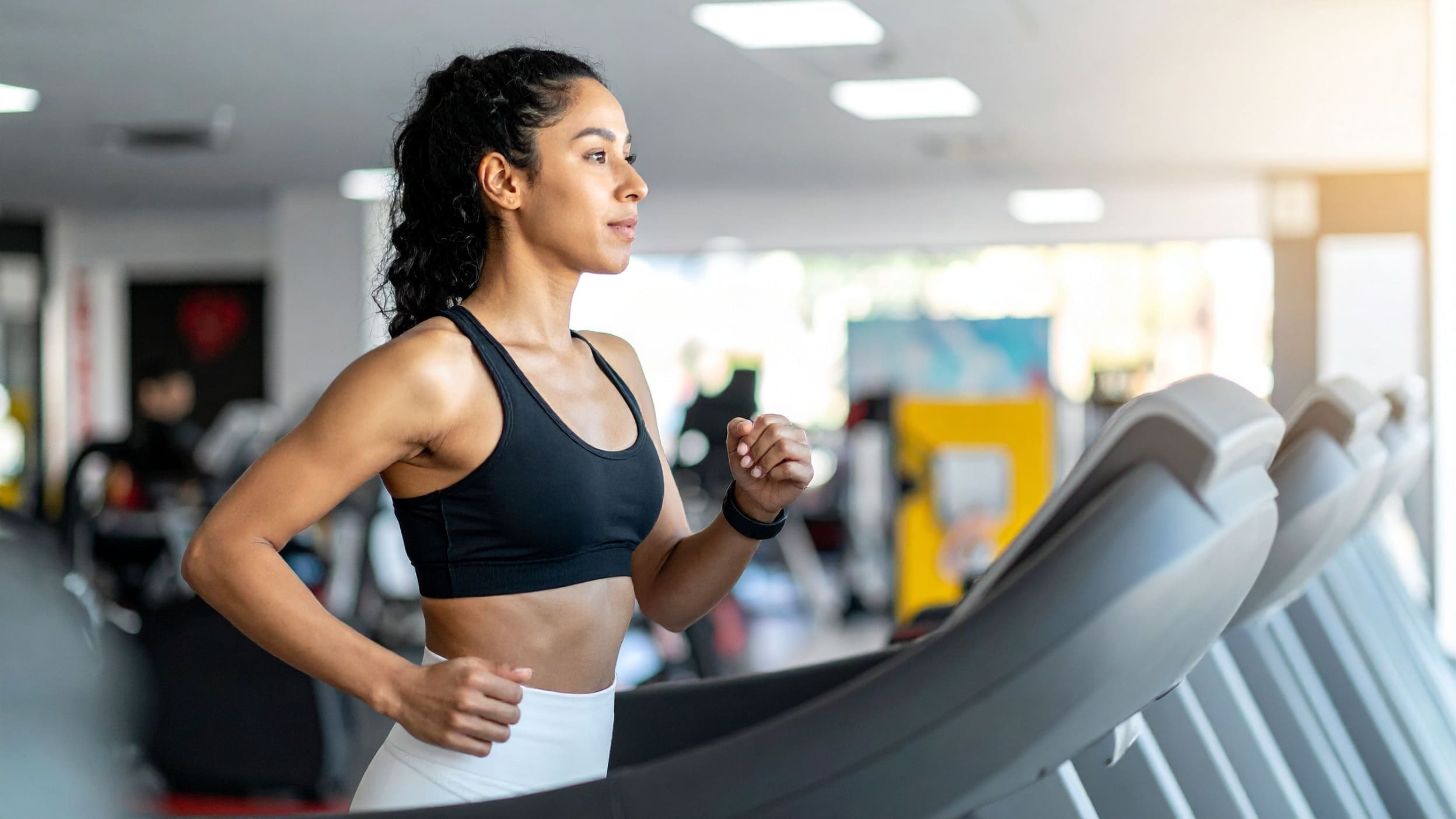
Your cardiovascular system is more efficient during this phase, which means you can perform explosive movements and sustain them longer. If you’ve been avoiding HIIT workouts, this is the best time to bring them back. I like incorporating short sprints, circuit training, or plyometric sessions.
It’s also the perfect opportunity to test your limits safely. You’re less likely to feel drained compared to your luteal or menstrual phase.
3. Skill Based or Creative Workouts
I always recommend that clients try something new during the follicular phase. Your brain is more receptive to motor learning, which means it’s easier to pick up new skills. Whether it’s boxing, yoga inversions, or dance based workouts, you’ll notice faster improvement and better coordination.
4. Group or Social Workouts
This phase often brings a natural boost in social confidence. Personally, I love joining group classes or outdoor fitness sessions during this time. Social energy fuels motivation and keeps the workouts enjoyable.
Strength Training vs. Cardio
Many women ask me whether they should prioritise strength training or cardio during the follicular phase. My answer is always both but with balance and purpose.
If your goal is muscle tone and definition, focus on resistance training and add light to moderate cardio for recovery. If endurance or fat loss is your focus, lean into interval training paired with strength based conditioning.
The key is not to overtrain. Your body can handle intensity now, but stress from overexertion can backfire and affect your next cycle. Listen to your body’s cues. Feeling energised and clear headed means you’re training in sync; feeling irritable or achy means you may need rest.
Nutrition for Recovery and Hormone Support
Your nutrition during the follicular phase can make or break your performance. Since this is your body’s rebuilding stage, focus on nutrient dense meals that support recovery and replenish what was lost during menstruation.
| Nutrient | Why It Matters | Best Sources |
| Iron | Replenishes blood and supports oxygen transport. | Spinach, red meat, lentils, tofu |
| B Vitamins | Enhance energy metabolism and reduce fatigue. | Eggs, fish, whole grains |
| Protein | Essential for muscle repair and growth. | Chicken, Greek yogurt, tempeh |
| Complex Carbohydrates | Provide stable energy for workouts. | Quinoa, oats, sweet potatoes |
| Magnesium | Reduces inflammation and supports muscle recovery. | Pumpkin seeds, avocado, dark chocolate |
I usually increase my carbohydrate intake slightly during this phase to maximise energy and performance. Post-workout meals are especially important for a mix of protein and complex carbs within 45 minutes after training to stabilise blood sugar and boost recovery.
Hydration also plays a key role. As oestrogen rises, sodium levels can fluctuate, so adding a pinch of salt or electrolyte powder to your water can help maintain balance.
Signs You’re in the Follicular Phase
You don’t need lab tests to know when you’ve entered this phase your body will tell you. Common signs include:
- More energy and motivation to move
- Clearer skin and improved mood
- Increased creativity and focus
- Lighter digestion and fewer cravings
- Better sleep quality
I track my cycle using apps like Oura or Natural Cycles, which help confirm patterns through body temperature and heart rate data. These small signals make it easier to align your workouts and daily rhythm.
How Long This Phase Lasts and When to Adjust
The follicular phase usually lasts from day six to day fourteen of your cycle, depending on individual hormone balance. As ovulation approaches, you’ll feel your strength and endurance peak. Testosterone rises slightly here, which gives you an extra edge in power and motivation.
However, this is also when women sometimes push too hard. If you notice fatigue, trouble sleeping, or mood dips, it’s a cue to scale intensity and prepare for your luteal phase. The goal isn’t to maintain high intensity all month, but to ride the hormonal wave effectively.
Real World Tips for Training with Your Cycle
- Track your workouts and symptoms. Over a few months, you’ll see a pattern that helps tailor your training schedule.
- Warm up and stretch thoroughly. Higher oestrogen can make joints more flexible, increasing the risk of overstretching or strain.
- Eat before intense sessions. Your blood sugar can drop faster in this phase due to higher insulin sensitivity.
- Mix intensity levels. Alternate between hard and moderate sessions to prevent burnout.
- Rest intentionally. Even during your “high energy” phase, one rest day a week is essential for sustainable progress.
I had a client named Mia who struggled with inconsistency for years. Once we matched her workout schedule to her menstrual phases, she noticed immediate improvements, fewer crashes, faster recovery, and better results. During her follicular phase, we focused on progressive strength training and skill development, and she began hitting personal bests without added fatigue.
FAQs
Should I start a new workout routine during my follicular phase?
Yes. This is the best phase for learning new exercises, increasing load, or joining new classes. Your hormones are working with you, not against you.
What if I don’t feel energetic after my period?
That’s normal for some women. If energy doesn’t rise quickly, check your sleep, hydration, and iron intake. Stress or nutrient depletion can delay the natural lift.
Is it okay to do intense cardio during this phase?
Absolutely, as long as you’re fuelling properly and allowing for recovery. HIIT and sprint sessions fit well here but avoid doubling up on intensity days.
How do I transition out of this phase?
As you approach ovulation, begin to taper slightly. Swap one HIIT day for yoga or mobility training to help your body shift smoothly into the luteal phase.
Final thoughts
Learning to train with my cycle instead of against it changed how I view fitness altogether. The follicular phase taught me that energy isn’t just about willpower, it’s biology. When you honour your body’s timing, you stop chasing results through force and start achieving them through flow.
The week after your period isn’t just about feeling good again; it’s about harnessing your body’s natural rhythm to perform at your best. You’ll find that when your workouts align with your hormones, you’ll experience fewer plateaus, more joy, and a deeper sense of connection to your body.
Next time your period ends and you feel that spark of energy, lean into it. Lift heavier, move freely, and celebrate the incredible cycle your body moves through every month. It’s not about doing more; it’s about doing it when your body is ready.