Table of Contents
Understanding the Follicular Phase
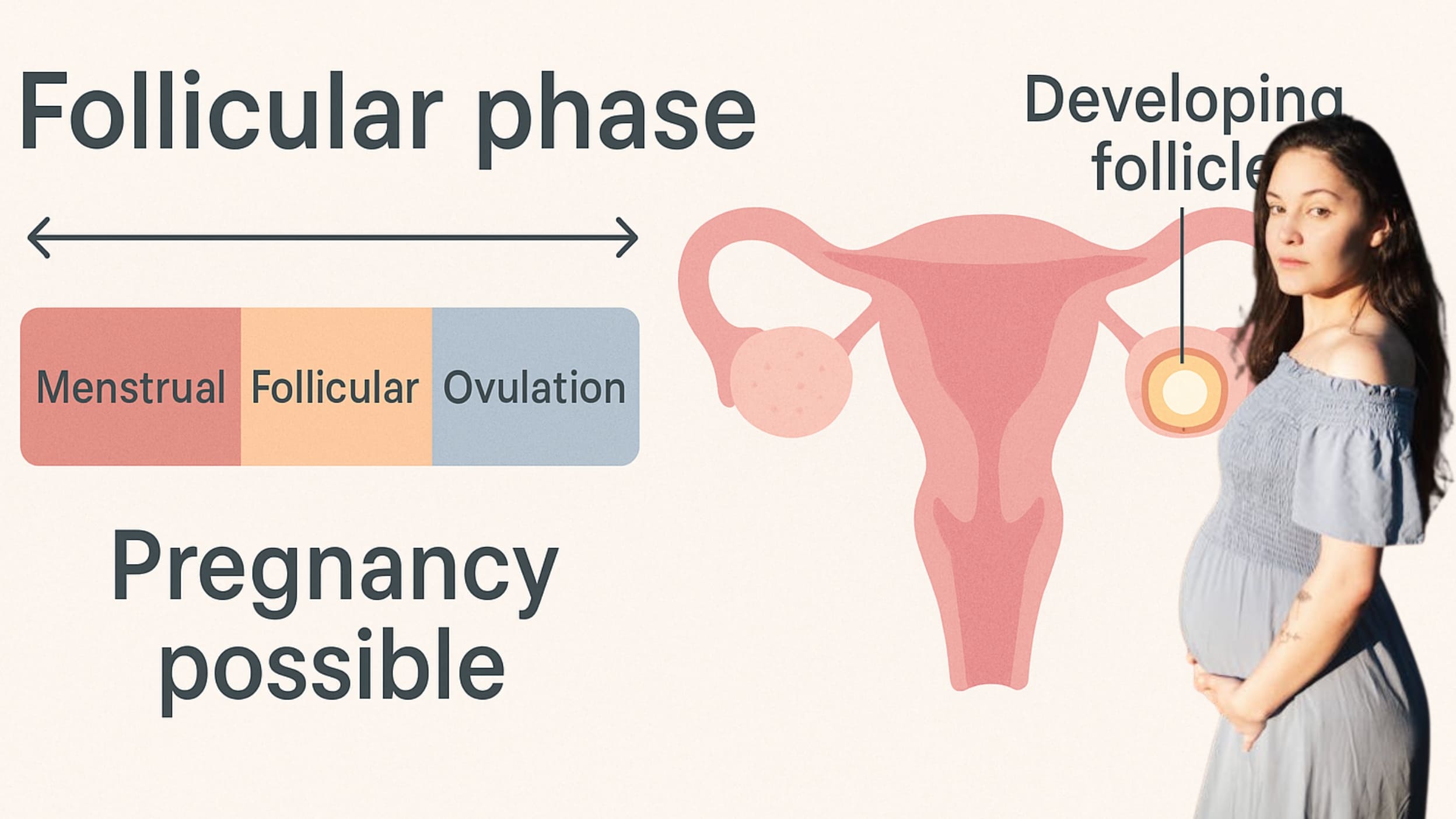
Can You Get Pregnant During the Follicular Phase? In my years working with women’s hormonal health and fertility, one of the first things I teach is that the menstrual cycle is not just about bleeding and ovulation. It’s a rhythm of shifting energy, hormones, and emotions. The follicular phase, which starts right after your period, is the first half of this cycle, typically day 1 to day 14 in a standard 28-day rhythm, though most women’s cycles vary.
This stage is when your body begins preparing for potential conception. The pituitary gland releases follicle-stimulating hormone (FSH), which encourages your ovaries to develop follicles. Each follicle holds an immature egg, and one will become dominant. This is your body’s preparation phase, when estrogen gradually rises, energy lifts, and motivation returns after menstruation.
Many women tell me they feel lighter, more creative, and more social during this stage. Estrogen enhances brain chemistry, focus, and confidence. But this phase also marks the beginning of your fertile window, which makes understanding it key for both conception and contraception.
How Fertility Works During This Phase
Fertility is not an on/off switch; it’s a window of opportunity. During the follicular phase, several eggs begin to mature inside the ovaries, but only one becomes dominant. Around this time, estrogen levels rise, triggering the uterine lining to thicken in preparation for possible pregnancy.
Although ovulation hasn’t occurred yet, sperm can survive inside the reproductive tract for up to five days. That means if you have unprotected intercourse toward the end of your follicular phase, and you ovulate earlier than expected, conception is possible.
When clients ask, “Can I get pregnant during the follicular phase?”, I always say, yes, but timing matters. The closer you are to ovulation, the higher your chances. This is why relying only on a calendar method can be risky. Stress, travel, illness, or diet can shift ovulation from one month to the next. I’ve seen many women conceive “unexpectedly” during what they thought was their safe window, only to learn later that their follicular phase was shorter that cycle.
To naturally support this stage, focus on nourishing recipes that align with your hormonal rhythm and boost fertility potential.
Hormonal Changes That Influence Conception
To understand fertility, you must understand hormones. During the follicular phase, several key hormones work in harmony:
| Hormone | Function | Fertility Impact |
| FSH (Follicle-Stimulating Hormone) | Stimulates follicle growth in the ovaries | Prepares one egg for release |
| Estrogen | Thickens uterine lining and enhances cervical mucus | Creates an optimal environment for sperm and implantation |
| LH (Luteinising Hormone) | Surges to trigger ovulation | Marks the end of the follicular phase |
| Progesterone | Remains low during this phase | Rises after ovulation to support pregnancy |
The gradual rise of estrogen gives you that unmistakable “spring” in your step: clear skin, improved focus, and elevated mood. I often advise women to schedule their creative or social projects now, as this phase supports outward energy and high performance.
Can You Actually Get Pregnant in the Follicular Phase?
Let’s clarify what’s biologically possible versus what’s probable.
During the early follicular phase (days 1–7), hormone levels are still low, and the egg is immature, making conception unlikely. But during the late follicular phase (around days 8–14), the body gears up for ovulation. Estrogen rises sharply, and fertility increases as sperm friendly cervical mucus begins to appear.
If you ovulate early, for example on day 11 instead of day 14, and have sex on day 9, sperm could still be viable when the egg is released. That’s how conception can occur during the follicular phase.
As a fertility coach, I’ve seen this happen many times. A client who thought she “wasn’t fertile yet” conceived because ovulation came a few days earlier than usual. Hormonal shifts, stress, or disrupted sleep can easily move ovulation forward or back.
So yes, you can get pregnant during your follicular phase, especially near the end. If you’re trying to conceive, start timing intercourse every other day once you notice changes in cervical fluid. If avoiding pregnancy, use barrier protection until your fertile signs have clearly passed.
Signs of Ovulation to Watch For
Your body gives subtle yet reliable signals when fertility is approaching. Learning to recognise these signs is one of the most empowering steps you can take.
Key signs include:
- Cervical mucus consistency: becomes clear, stretchy, and slippery
- Increased energy and confidence: feeling more sociable and creative
- Pelvic twinge: a brief ache on one side
- Basal body temperature shift: a small rise (about 0.3–0.5°C) after ovulation
- Heightened senses and libido: nature’s cue for timing intimacy
Combine these with basal temperature tracking or ovulation predictor kits for accuracy. Understanding these patterns not only improves conception chances but also helps manage natural family planning effectively.
Nutrition Tips to Support Fertility
Nutrition plays a huge role in supporting hormonal balance and egg quality during the follicular phase. The foods you eat now can influence your fertility later in the cycle.
Here’s what I often recommend to clients:
1. Prioritise Estrogen Supporting Foods
Estrogen thrives when supported by natural phytoestrogens.
Include: flaxseeds, soy, chickpeas, lentils, sesame seeds, broccoli, kale, and cauliflower. For a full breakdown of optimal phase specific foods, check recipes for each phase for meal inspiration.
2. Eat for Folate and B Vitamins
- These nutrients support egg health and DNA synthesis.
- Include: leafy greens, eggs, avocados, and whole grains.
3. Add Antioxidant Rich Foods
Berries, citrus, and pomegranates protect egg cells from oxidative stress.
4. Stay Hydrated
Aim for at least two litres of water per day to maintain healthy cervical mucus.
5. Embrace Healthy Fats
Include salmon, walnuts, and olive oil to support hormone synthesis and cell health.
6. Limit Processed Foods
Avoid refined sugars and excess caffeine, which can disrupt estrogen metabolism.
How to Support Conception Naturally
Lifestyle choices during the follicular phase can enhance fertility and emotional wellbeing.
- Exercise Smartly: This is your high energy window. Opt for cardio or new workouts to improve circulation.
- Manage Stress: Chronic stress raises cortisol, which can delay ovulation. Practice mindfulness, breathing exercises, or journaling.
- Get Quality Sleep: Restful sleep supports hormonal regulation and mood.
- Track Your Cycle: Use apps or journals to identify your unique patterns.
- Nurture Emotional Health: Joy, relaxation, and positive relationships lower stress hormones, improving fertility outcomes.
Cycle syncing isn’t about control; it’s about understanding and flow. When you work with your cycle instead of against it, everything from productivity to fertility improves.
FAQs about Can you get pregnant during follicular phase
1. Can I get pregnant during the early follicular phase?
It’s unlikely because the egg is still maturing, but early ovulation or long sperm survival can make it possible. Track your symptoms for accuracy.
2. How do I know when I’m ovulating?
Look for changes in cervical mucus, use ovulation kits, and monitor your temperature. These patterns will help identify your fertile window.
3. What foods boost fertility during the follicular phase?
Focus on leafy greens, seeds, salmon, berries, and complex carbs. Avoid processed foods and excess sugar to support hormone balance.
Final thoughts
When I first began integrating cycle syncing into my work, I watched women transform their relationship with their bodies. They went from frustration and confusion to confidence and connection.
The follicular phase represents renewal and possibility. It’s the perfect time to nurture your body, set new goals, and rebuild energy. Whether you’re trying to conceive or simply striving for balance, learning to interpret your body’s cues is life changing.
Your body is not random or unreliable. It’s rhythmic, intelligent, and incredibly responsive when supported properly. When you tune into the messages of your follicular phase, you realise that fertility and wellbeing are not separate; they’re two sides of the same beautiful rhythm.